
Last updated November 16, 2026
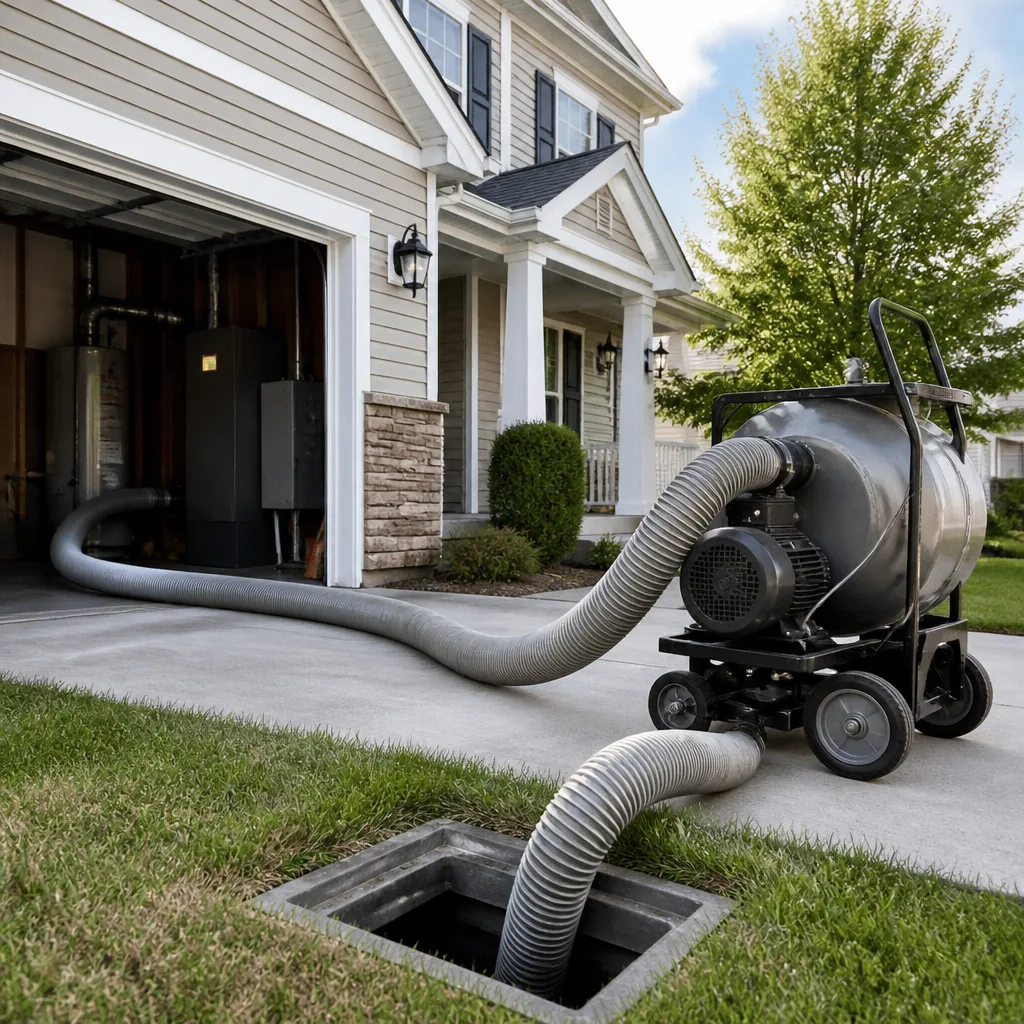 Whole-home duct cleaning
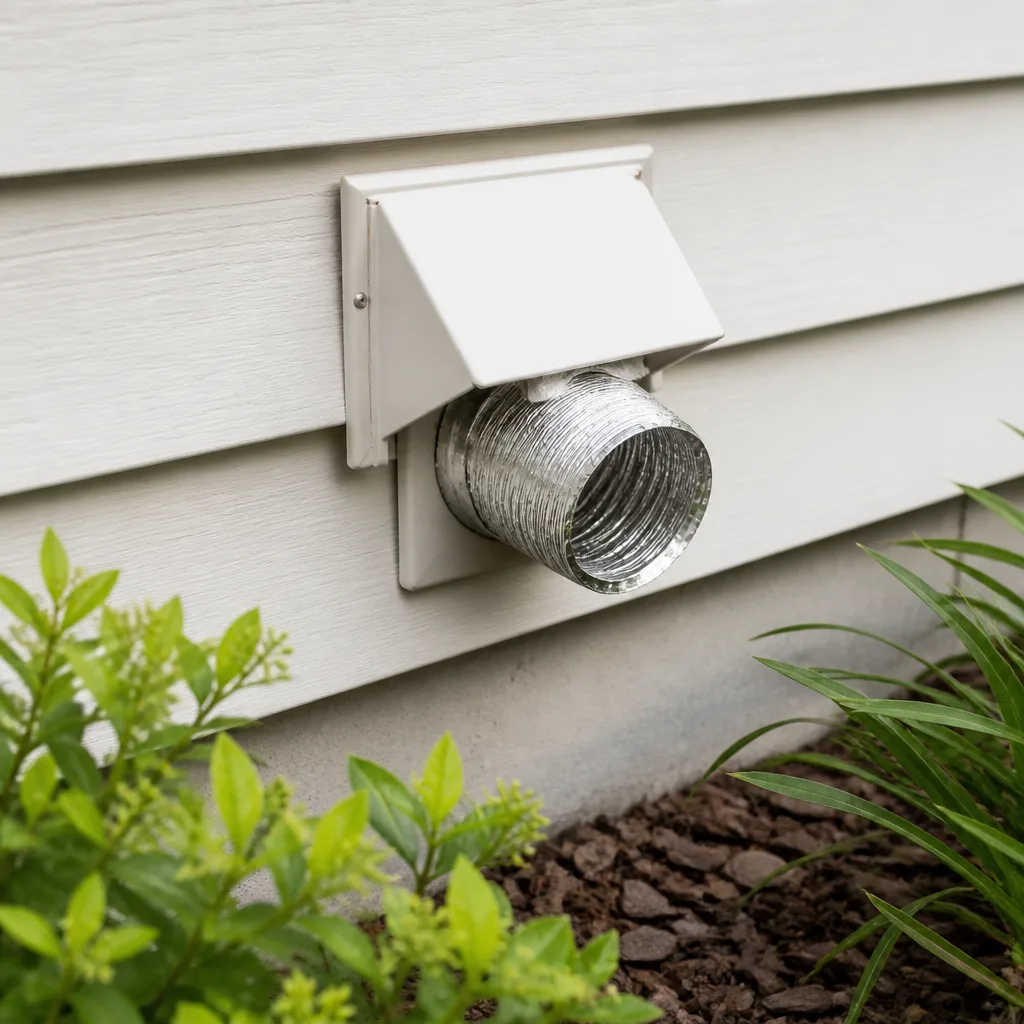 Dryer vent cleaning
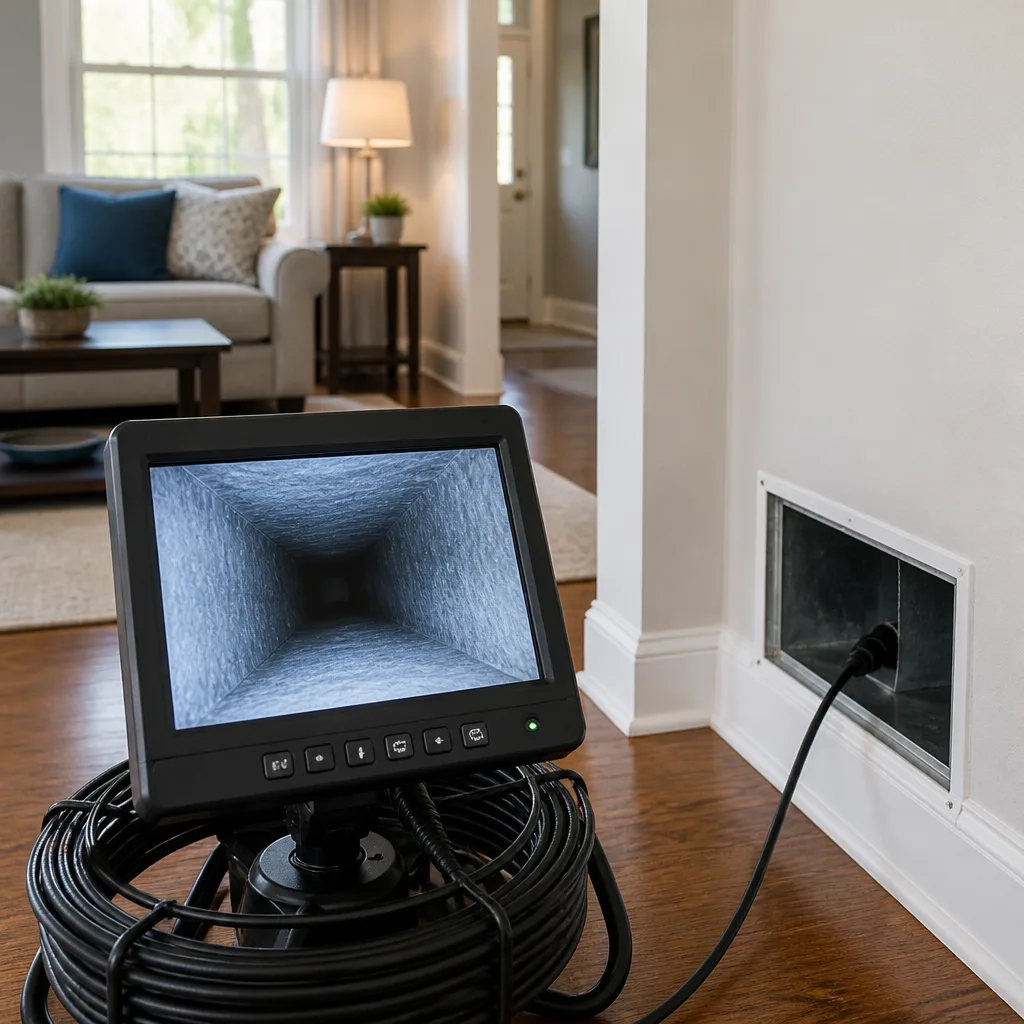 Camera inspection
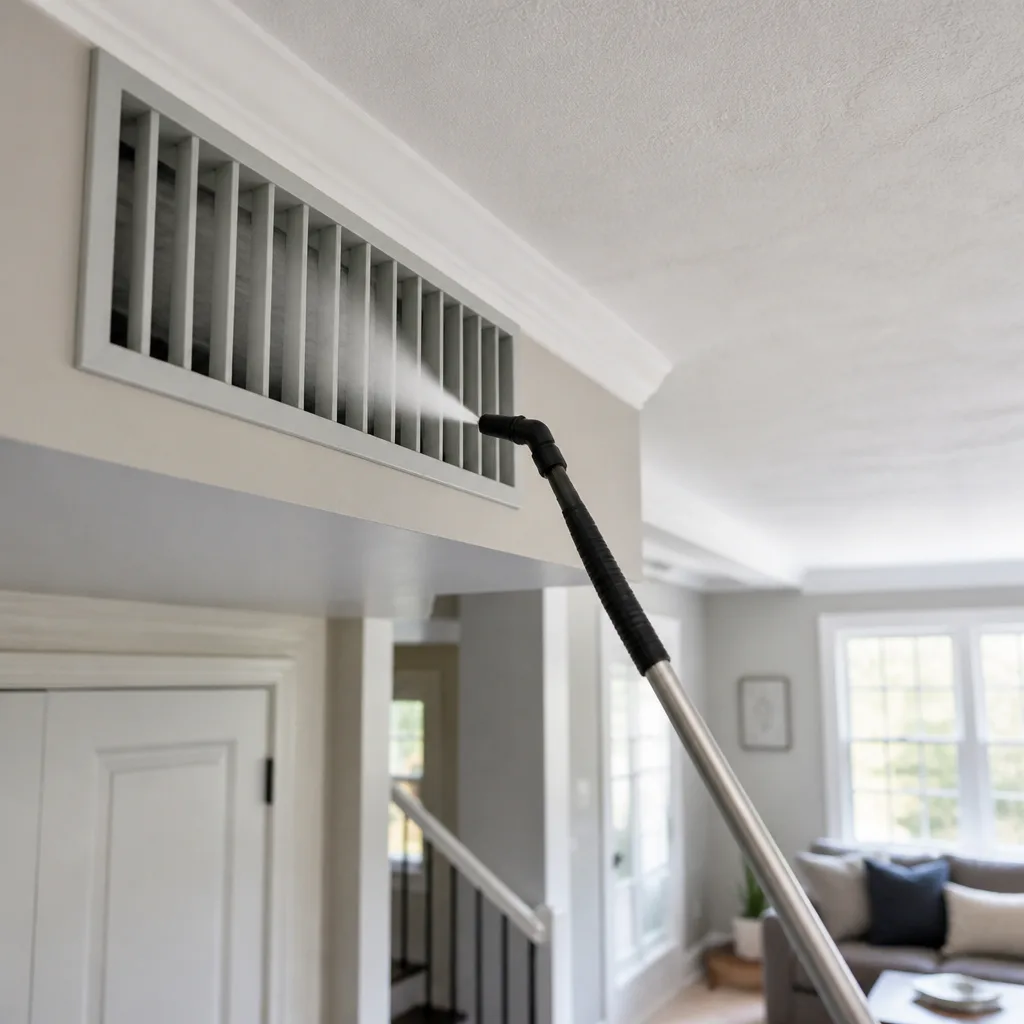 Sanitizing & deodorizing
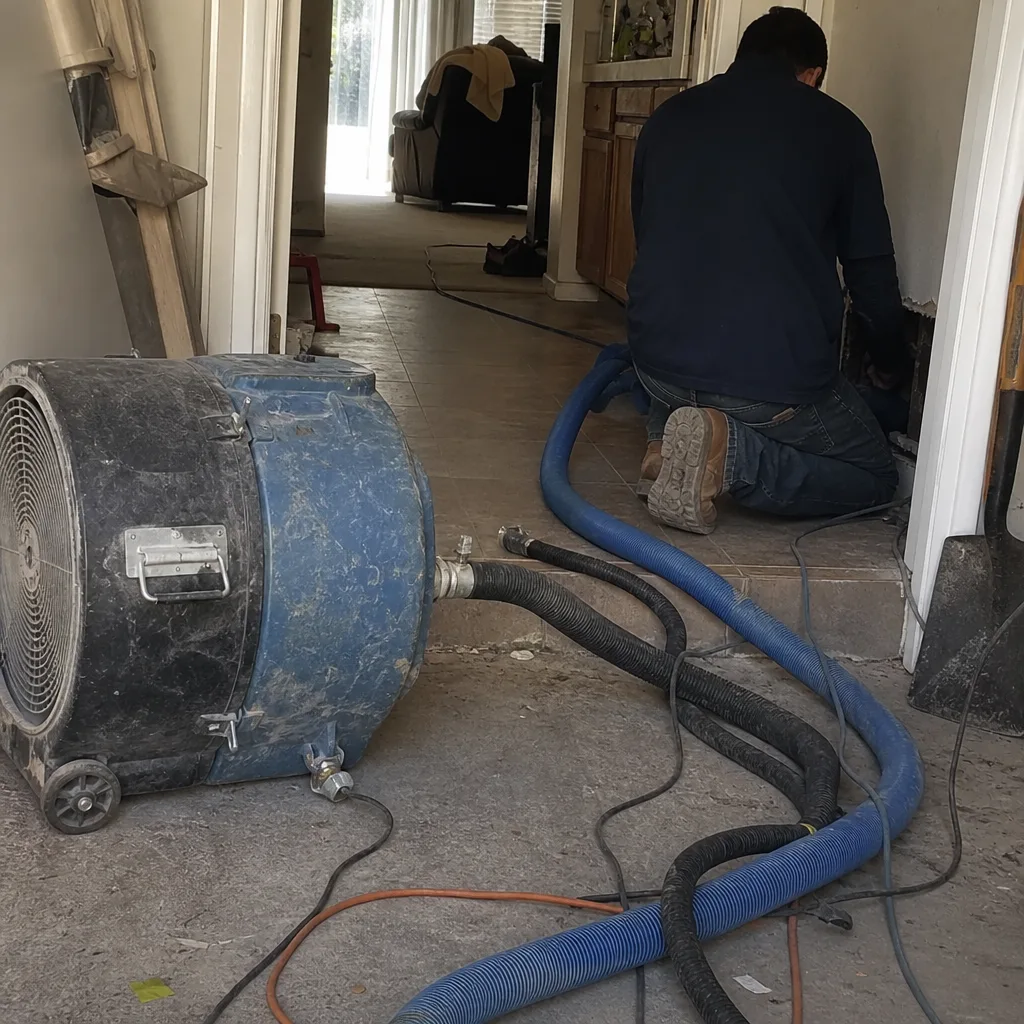
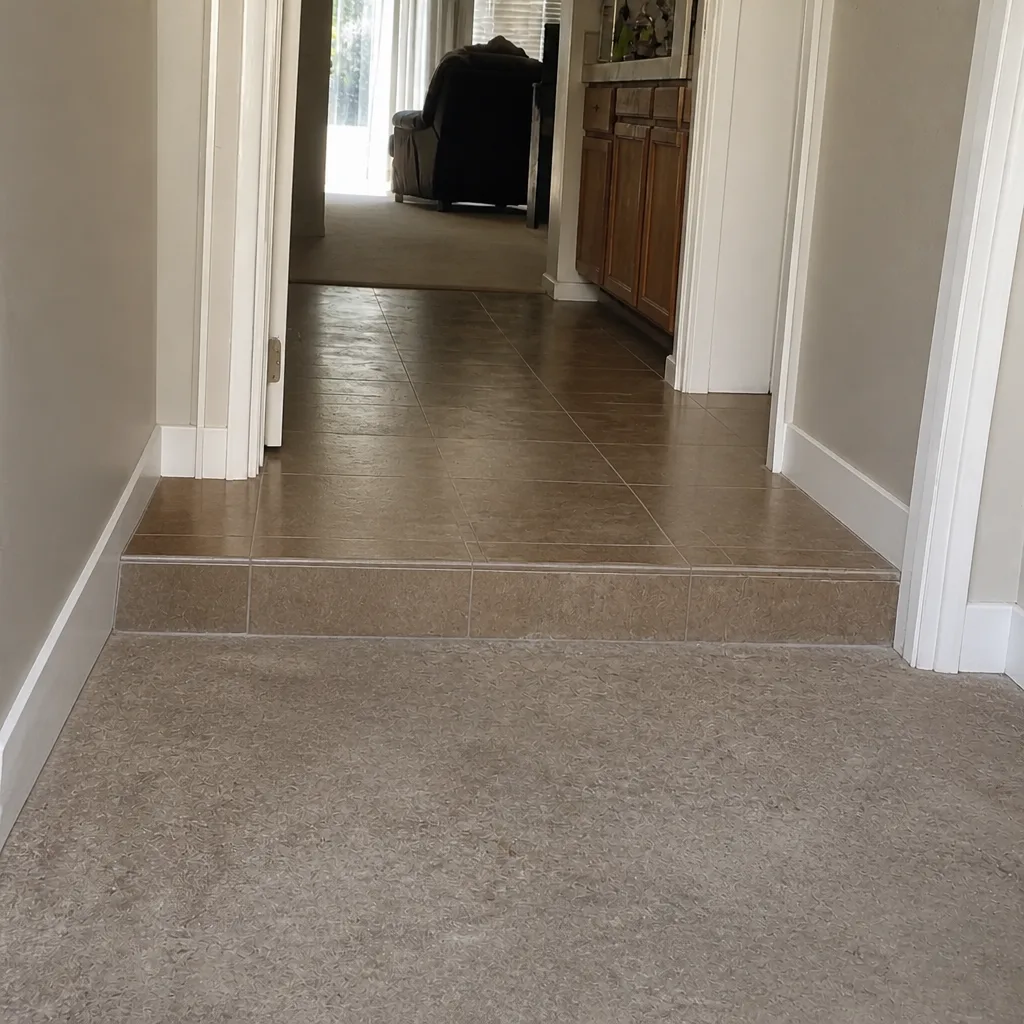
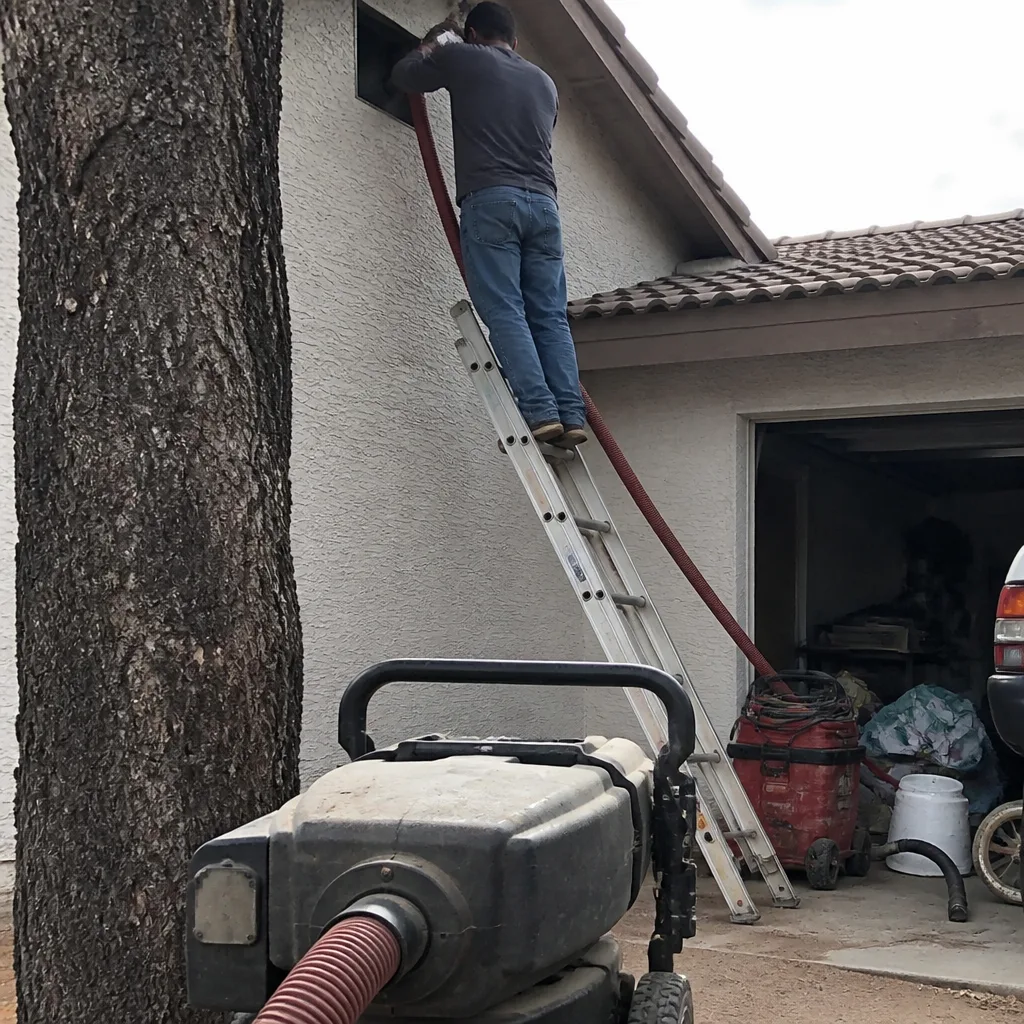
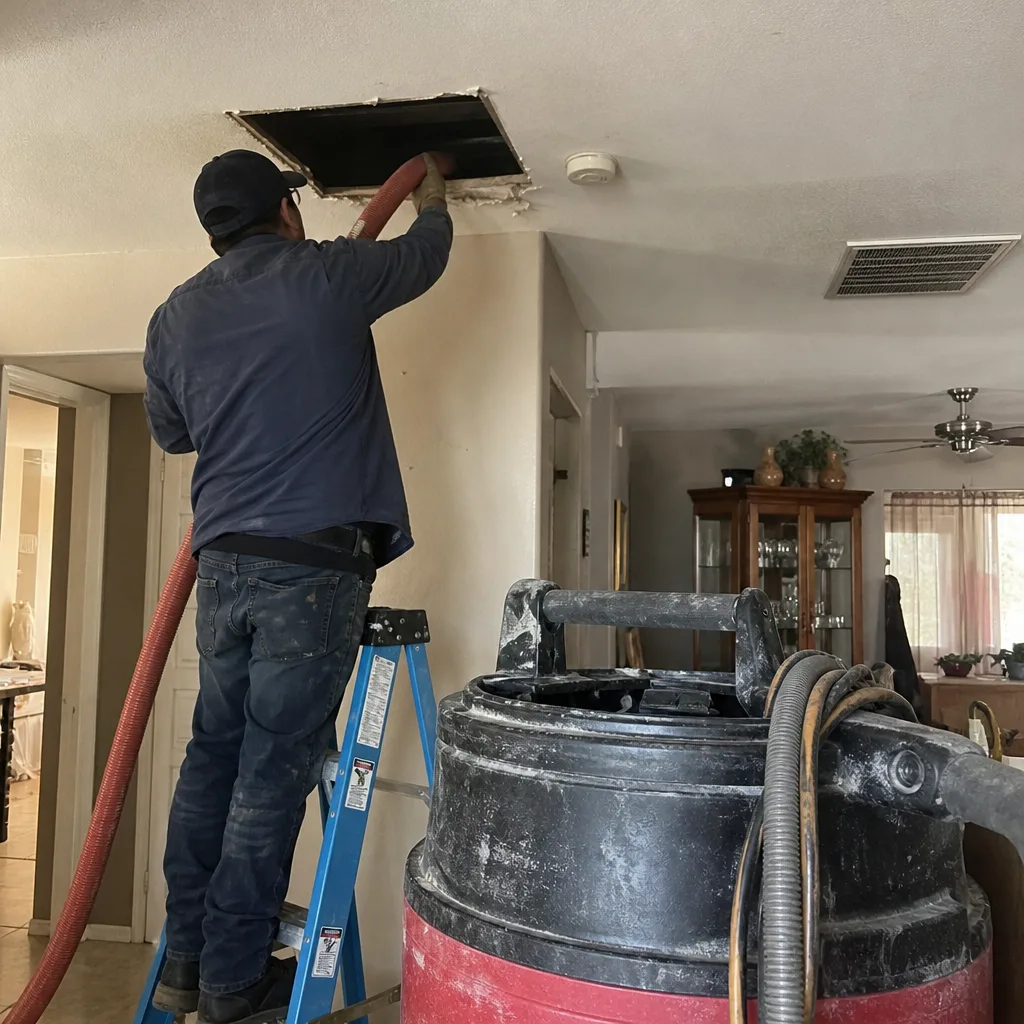
Whole-system duct and dryer vent check with before-and-after photos - you see exactly what came out of your vents
That "$99 whole-house special" is a bait ad - the real number appears once they are in your hallway, or the "clean" is a shop-vac at the register. We photograph the inside of your ducts before and after instead.
Air Duct Cleaning Maintenance Checklist for Avondale Homeowners
The filter you changed in October is probably already caked by February in Avondale. Yet most maintenance checklists still tell desert homeowners to check filters quarterly, a schedule built for climates where the system rests for months at a time. Here, the air handler runs hard most of the year, monsoon dust finds every gap, and dust cake builds faster than any national checklist accounts for. This guide replaces the generic quarterly reminder with a month-by-month routine calibrated to how Avondale’s seasons actually treat a duct system. You’ll learn which checks you can do yourself, where DIY stops being useful, and what to document along the way.
Quick Answer
Avondale homeowners should check filters monthly (not quarterly), inspect registers and grilles every month during cooling season, do a visual seal check at joints and boots before and after monsoon, and schedule professional air duct cleaning roughly every two to three years, or sooner if dust buildup returns quickly. The checklist below breaks those tasks into pre-monsoon, monsoon, and post-monsoon phases instead of generic quarterly blocks.
Styles & brands we work with
- Whole-home duct cleaning
- Dryer vent cleaning
- Camera inspection
- Sanitizing & deodorizing
Table of Contents
- Why the Standard Quarterly Checklist Fails in Avondale
- Pre-Monsoon Checklist: April and May
- Monsoon Season Checklist: June through September
- Post-Monsoon Checklist: October and November
- Winter and Early Spring Checklist: December through March
- Register and Grille Checks That Catch Dust Early
- How to Spot Duct Seal Failures Without Tools
- When DIY Maintenance Has Reached Its Limit
- The Documentation Habit That Pays Off
Why the Standard Quarterly Checklist Fails in Avondale
Most duct maintenance advice is written for a house that heats in winter and cools in summer, with long stretches where the system sits idle. Avondale doesn’t work that way. Cooling season stretches across most of the year, and the air handler rarely gets the months-long rest that lets dust settle without being pulled through the system. Add monsoon dust storms that push fine particulate into every gap and return, and the math changes completely.
Here’s what that means in practice. A filter that would last three months in a milder climate can load up in six weeks here during a windy spring. Registers that collect a light film elsewhere pick up visible dust rings faster. Supply boots in the ceiling or floor take in dust from gaps around the penetration, and those gaps widen with the temperature swings between a hot attic and a cooled room.
The checklist below is organized around three local seasons that matter for ducts:
- Pre-monsoon (April and May): the last clean stretch before dust season, and the best time for a professional cleaning if one is due.
- Monsoon (June through September): the highest infiltration period, when filters and registers need the most attention.
- Post-monsoon (October and November): the assessment window, when you check what the season left behind and seal anything that opened up.
If you live near the newer developments on the west side of Avondale, where construction dust from surrounding lots adds to the load, expect to check filters more often than a neighbor in an established neighborhood. If your home sits closer to the older parts of town, the duct layout and seal condition usually deserve more attention than filter frequency alone. Our technicians have up to 9 years of experience reading exactly these differences in homes across Avondale, and the pattern holds: local conditions, not the calendar, should drive your schedule.
Pre-Monsoon Checklist: April and May
April and May are your window to get ahead of dust season. Once the first monsoon storms roll in, fine dust gets pulled into return grilles and pushed through every loose joint. Anything you clean or seal before June stays cleaner through the summer.
Work through this list in order:
- Change or clean the filter. Don’t wait for the “check” date on the packaging. Pull it, hold it up to a light, and replace it if you can’t see light through it. In Avondale, a filter that’s six weeks old in May can look like a filter that’s three months old elsewhere.
- Vacuum every return grille face. A brush attachment on a household vacuum removes the surface layer before it gets pulled deeper into the return run.
- Walk the house and look at each supply register. Streaking around the edges or a dark ring on the ceiling or floor around the grille means dust is escaping at the boot, not just passing through it.
- Check the outdoor unit and the return path. Clear debris from around the condenser and make sure nothing blocks the main return grille inside.
- Look at the accessible duct runs. In a garage, closet, or attic hatch, look for disconnected sections, sagging flex duct, or tape peeling at the joints.
- Photograph your filter and note the date. More on why in the documentation section below.
- Book a professional cleaning if it’s been two to three years or if you’ve never had the system cleaned in this home.
May is also the right month to call if you’re unsure whether cleaning is due. A professional assessment before monsoon season means the work happens on a normal schedule rather than in a rush after the first dust storm. When we clean a system in Avondale, we run professional-grade equipment, including Rotobrush and Nikro systems, because consumer vacuums don’t move enough air to pull caked dust off duct walls.
Monsoon Season Checklist: June through September
Monsoon season is when the checklist earns its keep. Wind-driven dust, sudden humidity, and constant system run-time combine to stress every part of the duct system at once. Your job during these months is monitoring, not deep cleaning.
Each month, do these five things:
- Check the filter every 30 days. Set a phone reminder. In a dusty monsoon month, a filter can go from clean to clogged in that window.
- Wipe down return grilles. A damp cloth on the grille face keeps the visible dust from being drawn into the return the moment the system kicks on.
- Listen for new sounds. Whistling at a register or a rattle in the return often points to a seal that has opened up or a run that has come loose.
- Watch for uneven airflow. If one room suddenly gets weaker airflow than the rest, a joint has likely separated somewhere upstream.
- Note any musty smell after a storm. Humidity that gets into a duct system can leave a damp odor. If it lingers for more than a couple of days, that’s worth a professional look.
Monsoon storms also push dust into the attic through vents and gaps, which is why a duct system that was sealed in May can develop leaks by August. A short visual check of any accessible ductwork after a big storm costs nothing and catches problems early. If you notice dust streaks around a ceiling register after a storm, the register boot is a likely culprit, and a duct repair visit can close it.
Don’t schedule deep cleaning in the middle of monsoon unless there’s a reason. Wait for a dry stretch, and keep up the light maintenance in the meantime. If you’re not sure whether your system has crossed from “needs attention” to “needs cleaning,” the register checks in the next section will help you decide.
Post-Monsoon Checklist: October and November
October and November are assessment months. The dust has settled, the system has run hard for months, and now you find out what the season did to your ducts. This is the best window in Avondale for a professional cleaning if you skipped spring, because the system will run less heavily through winter and the results will last longer.
Your post-monsoon list:
- Pull the filter and inspect it against your pre-monsoon photo. If it’s darker and heavier than the April version, your system is pulling more dust than the filter can handle and it’s time to look deeper.
- Run a white-cloth test at each register. Hold a clean white cloth or paper towel near a supply register with the system running for a minute. A visible dust film on the cloth is normal. A heavy coating means dust is coming through the ducts themselves.
- Do a seal check at every accessible joint and boot. The next section walks through exactly how.
- Look inside the return plenum if accessible. A flashlight beam across the interior will show whether dust is caked on the walls or just lightly settled.
- Book a cleaning or repair visit if any check flags a problem. Fall is a good time to get on the schedule before the holiday season.
If you own a rental property in Avondale, this is also the month to document the system’s condition for your records. Photos of clean filters and registers after a professional cleaning give you a baseline to compare against next year, and they answer tenant questions about air quality directly.
Winter and Early Spring Checklist: December through March
Winter in Avondale is mild, which means the system keeps running and the dust keeps moving, just at a lower rate. This is the season for low-effort maintenance and catching up on any repair you deferred in fall.
- Check the filter monthly. Even in the cooler months, a filter collects dust from the return air, and skipping a month here is how spring arrives with a clogged system.
- Clean grilles and diffusers. Wipe down supply and return grille faces with a damp cloth. Vacuum the slots with a brush attachment.
- Check for condensation or moisture around registers. Mild winter mornings can create condensation on cold duct surfaces. Any standing moisture or recurring dampness is a sign to call a professional.
- Listen for airflow changes. A register that’s weaker than it was in fall can point to a separated joint or a collapsed flex run.
- Plan your spring cleaning call. If you haven’t had the system cleaned in two to three years, schedule it for April before dust season starts.
This is also the right time to look at the filtration and air-quality equipment attached to your system. If you have a Honeywell or Aprilaire filter cabinet or media filter, check the condition of the filter element and the seal around the cabinet door. A loose cabinet door lets unfiltered air bypass the filter entirely, which means the system pulls dirty air straight into the ducts. We work with Honeywell and Aprilaire air-quality products and can check the filtration setup as part of a cleaning visit.
Register and Grille Checks That Catch Dust Early
Registers and grilles are your best early-warning system. Dust always shows up there before it becomes a duct problem, because the register face is the first surface the air passes. A five-minute check each month catches buildup before it moves into the duct run.
Here’s what to look for at each register:
- Visible dust ring around the grille edge. This means air is escaping around the boot, not just through the grille. The seal between the boot and the drywall or floor needs attention.
- Streaking on the ceiling or floor. Dust streaks radiating from the register are a sign of leakage at the boot, often worsened by a poorly sealed penetration.
- A dark film on the grille face. A light film is normal. A dark, even coating that returns within a few weeks of cleaning means the ducts upstream are dirty.
- Loose or rattling grille. A grille that no longer sits flush can be pulled loose by airflow, letting dust bypass the filter.
- Cold or warm air leaking at the edges. Hold your hand near the edge of the grille with the system running. Air leaking around the grille rather than through it means the boot seal has failed.
In Avondale, the register check matters more than it does in milder climates because the system runs so much of the year. A grille that collected a light film in a colder city collects a dark one here in the same window. Compare register faces in different rooms. If one register is noticeably darker than the others, that run is pulling more dust and deserves a professional look. The Avondale homes we see with the dirtiest registers are often the ones where a return grille is undersized or blocked, which forces the system to pull dust from every gap it can find.
How to Spot Duct Seal Failures Without Tools
Duct seal failures are the hidden cause of most comfort and air-quality complaints, and you can find many of them without a toolbox. A failed joint lets conditioned air escape and pulls dust in from wherever the leak is. That dust then circulates through the rest of the system.
Work through these checks on any ductwork you can reach, typically in a garage, closet, attic hatch, or crawl space opening:
- Look at the joints and seams. Every joint where two duct sections meet, and every seam along the length, should be sealed with mastic or foil tape. Peeling tape or visible gaps are a fail.
- Run your hand along the joint with the system running. Feel for air movement at the joint. Any airflow outside the duct means the seal has opened.
- Check the register boots. The boot connects the duct to the register. Look at the gap between the boot and the drywall or floor, and between the boot and the duct. Unsealed gaps pull air from the wall cavity into the system.
- Check flexible duct at the connections. Flex duct should be secured with a tie or clamp and sealed. Look for sagging or kinked sections, which cut airflow and can come loose.
- Look for dust streaks at joints. Dust collects wherever air leaks, so a streak of dust at a joint is a reliable sign of a leak.
If you find a leak, don’t just tape over it. A proper repair closes the gap permanently, reconnects the run, and reseals the joint so it holds through the temperature swings of the year. Duct repair is one of our three core services, and it closes leaks most duct-cleaning-only companies would leave behind. Running professional-grade equipment from Abatement Technologies for negative-air containment on larger jobs keeps the work contained. If you find seal failures in Avondale, the safest approach is a professional inspection, because what’s visible from the attic hatch is often a fraction of what’s happening in the inaccessible sections.
When DIY Maintenance Has Reached Its Limit
DIY maintenance has a clear ceiling. Wiping grilles, changing filters, and running a hand along a joint are all homeowner tasks. Cleaning duct interiors is not, because it requires negative air pressure, professional agitation tools, and containment to keep dust from spreading through the house. Knowing where that line falls saves you time and protects your system.
These signs mean it’s time for a professional cleaning:
- Dust returns to grille faces within a few weeks of cleaning. If the visible dust comes back fast, the source is inside the ducts, not on the grille.
- You can see dust buildup inside the return plenum. Visible caking on the interior walls of an accessible return means the whole system needs professional cleaning.
- Airflow in one or more rooms has dropped. This could be a separated joint, a clogged run, or a failing component that cleaning alone won’t fix.
- Dust streaks appear after every dust storm. Return air leaking into the system means the ducts are pulling unfiltered air. Cleaning won’t fix it until the leak is repaired.
- It’s been two to three years since the last cleaning. Even in a clean home, Avondale run-time and dust season put the system past due on that schedule.
- You’re not sure when the system was last cleaned. A professional inspection answers the question definitively.
When you’re at that point, a specialist visit is worth the call. Professional-grade equipment from Rotobrush and Nikro does what a shop vacuum can’t, and a trained technician can spot repair needs while cleaning. Our technicians have up to 9 years of experience with duct systems specifically, not general HVAC work. If your dryer vent is also overdue, that’s a separate service and one worth taking seriously. A clogged dryer vent is a fire risk, and it’s a discrete service we handle in a single visit. See dryer vent cleaning for what that visit covers.
The Documentation Habit That Pays Off
The single most useful maintenance habit costs nothing: photograph your filter and registers at every change. A photo with a date gives you a visual record of how fast your system loads up, and that record tells you more about when to schedule professional cleaning than any generic schedule.
Here’s how to do it:
- Photograph the filter when you pull it. Hold it up to a light source and take the photo from the same angle each time. Side-by-side comparisons are accurate only when the framing matches.
- Note the date. Most phone cameras stamp it automatically. If yours doesn’t, add it in your notes app.
- Photograph the darkest register grille each month. Pick the register that collects the most dust and track it. When the same grille keeps darkening within a few weeks of cleaning, the ducts are the problem.
- Photograph your accessible duct joints before and after any repair. This gives you a baseline to check against next season.
- Keep the photos in one folder. When you call for professional service, you can describe exactly what you’ve seen and how fast it returns.
We’ve seen how much this helps homeowners make decisions. A homeowner with six months of dated photos can tell a technician exactly when dust returned, which narrows down whether the issue is a dirty system, a leak, or a filter bypass. It also gives you a reference point for a landlord or property manager conversation. And when a cleaning is done, before-and-after photos of your own ducts are part of the service, so you see what was removed and not just what was promised.
Common Mistakes to Avoid
- Following a quarterly filter schedule. Quarterly was written for climates with a rest season. In Avondale, a filter can load up in a month during a dusty spring. Check it monthly and let the filter’s actual condition drive the decision.
- Cleaning grilles without checking the boots. A grille face that’s clean while the boot seal is failing is cosmetic. Check the boot-to-drywall and boot-to-duct gaps each time you clean the grille.
- Assuming low airflow is a filter problem. A new filter that doesn’t restore airflow usually means a duct leak, a collapsed flex run, or a blocked return. That’s a repair issue, not a filter issue.
- Waiting for a visible problem before scheduling professional cleaning. Dust inside ductwork is invisible from the register face. Two to three years is a reasonable cycle in Avondale even when everything looks fine.
- Skipping the dryer vent. Dryer vent cleaning is a safety service, not a comfort upgrade. Lint buildup in the vent is a leading cause of residential fires, and it’s worth an annual check.
- Patching a duct joint with household tape. Standard tape fails under the temperature swings between a hot attic and a cooled room. A proper repair uses the right sealing method and closes the joint permanently.
- Ignoring the filtration cabinet. If you have a Honeywell or Aprilaire filter setup, a loose cabinet door lets air bypass the filter entirely. Check the seal each time you check the filter.
See the difference
 Before
 After
 Before
 After
 Before
 After
When to Call a Professional
Call a professional when any of these apply: dust returns to grilles within weeks of cleaning, you can see dust buildup inside an accessible return, airflow has dropped in one or more rooms, you’ve found a duct leak you can’t repair with certainty, or it’s been two to three years since the last cleaning. Also call if this is a new home to you and the cleaning history is unknown, or if a seasonal check turned up moisture that keeps coming back. Duct Cleaning Avondale offers free estimates in Avondale. Call (866) 361-9304. We answer 24/7. Fast dispatch from 7am to 7pm, Sunday through Friday.
Frequently Asked Questions
Every two to three years is a reasonable cycle for most Avondale homes, but the right answer depends on your home. Homes near construction, homes with pets, and homes where grille faces darken within a few weeks of cleaning need it more often. The dated photos you keep with your maintenance checklist will tell you when your system is due. Call (866) 361-9304 for an exact quote based on your home.
Check the filter every 30 days and replace it when you can’t see light through it. In the dusty pre-monsoon months, a filter can load up in six weeks. Quarterly changes, which work in milder climates, are too infrequent here. If your filter clogs faster than that, the issue may be a return leak pulling unfiltered air, so a professional look is worth it.
DIY maintenance covers filter changes, grille cleaning, and visual seal checks. Professional cleaning uses negative-air equipment and agitation tools to remove dust from inside the duct system, which a household vacuum can’t reach. We use Rotobrush and Nikro systems, plus Abatement Technologies negative-air machines on larger jobs, because that’s what cleaning the interior of a system actually requires. Call (866) 361-9304 to move from DIY to professional when your checks flag a problem.
You’ll typically see dust streaks at the joint, feel air movement at the joint with the system running, or notice peeling tape and visible gaps. Air leaking around a register boot rather than through the grille is another sign. These checks are visual and tactile, and you can do them on any ductwork you can reach. If you find a failure, a professional duct repair visit closes it properly.
Before monsoon is best if you’re due, because you start the dusty season with clean ducts. After monsoon is the right time if you skipped spring, because the system will run less heavily through winter and the cleaning lasts longer. Either way, keep up the monthly filter and register checks during monsoon itself. Call (866) 361-9304 and we’ll help you pick the right timing for your home.
Pricing is set per job by a written estimate, and we give you a flat price for the whole system agreed before any work starts, so there’s no per-vent charge and no surprise invoice after the technician arrives. Free estimates are the honest way to answer, since a small home and a large two-story home are different jobs. Call (866) 361-9304 for an exact quote.
The Bottom Line
An Avondale duct maintenance checklist works because it follows the local seasons, not a national calendar. Check filters monthly, clean grilles monthly, inspect boots and joints before and after monsoon, and keep dated photos of what you find. Those habits catch dust buildup and seal failures early, when they’re cheap to fix. When the checks flag a problem, or when it’s been two to three years since your last cleaning, a specialist visit with professional-grade equipment is the right move for duct cleaning in Avondale. Free estimates, one flat price per system, and before-and-after photos of your own ducts.
Written by the team at Duct Cleaning Avondale.