
Last updated November 16, 2026
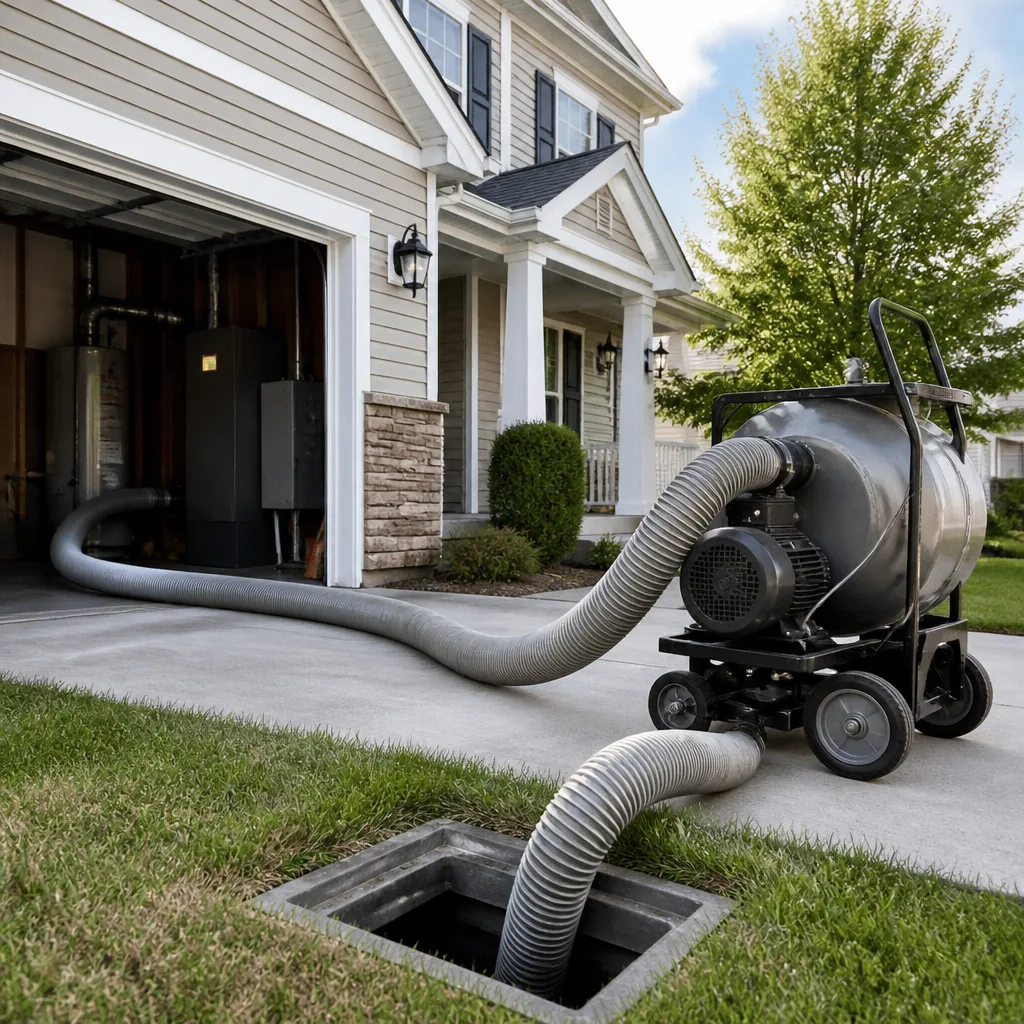 Whole-home duct cleaning
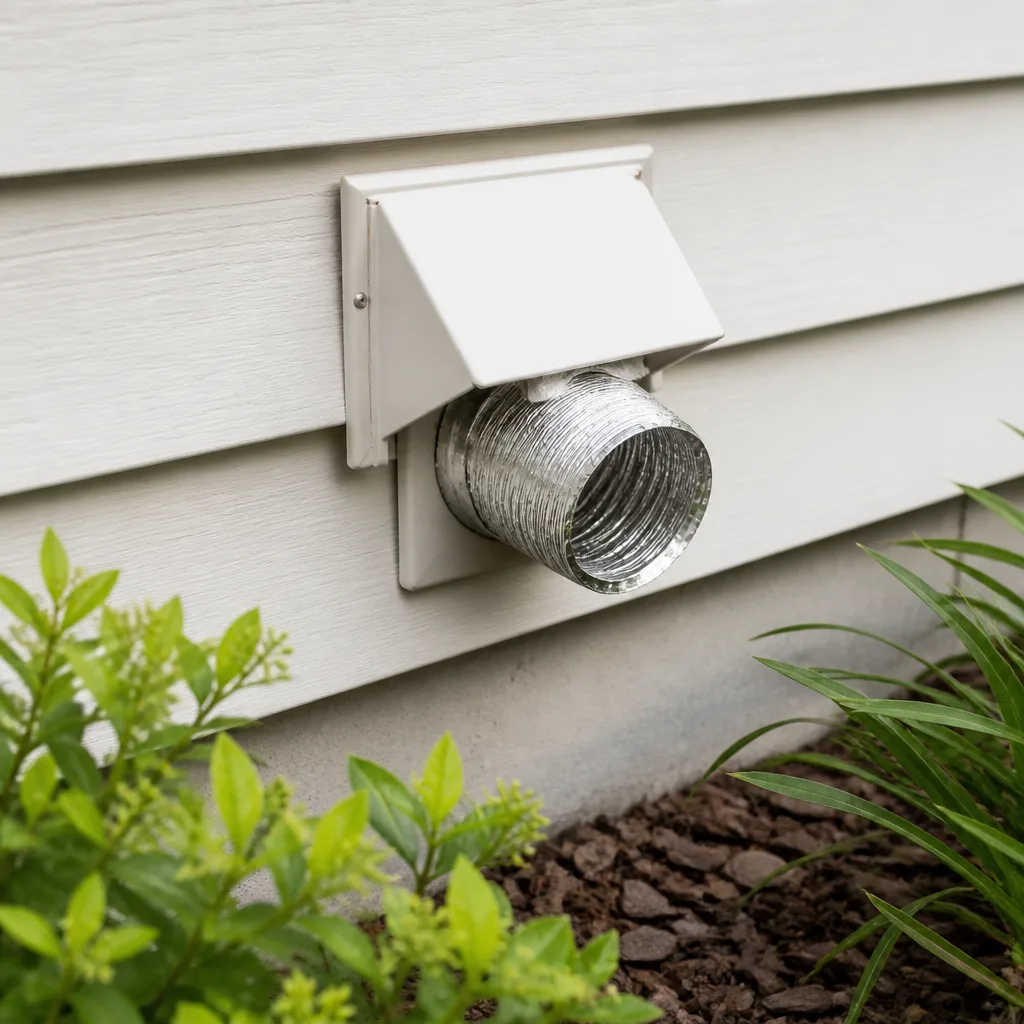 Dryer vent cleaning
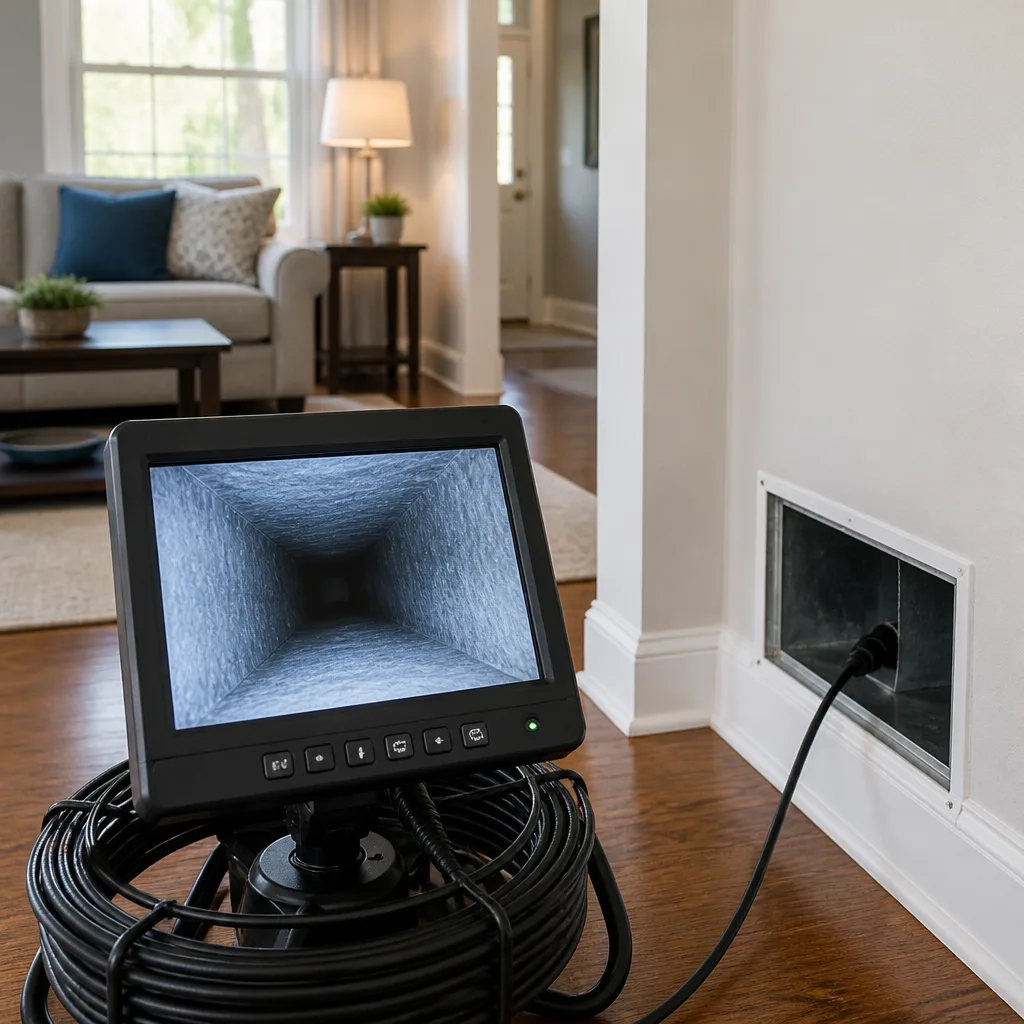 Camera inspection
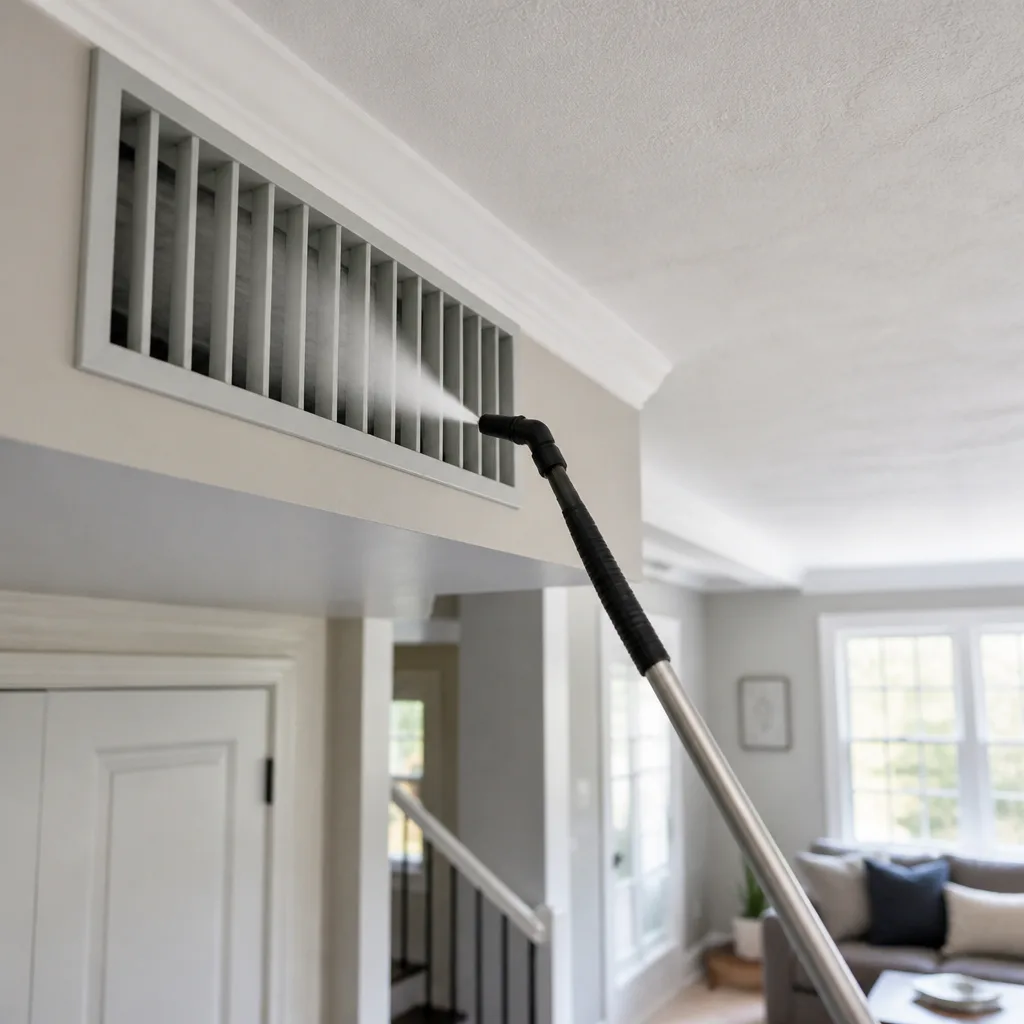 Sanitizing & deodorizing
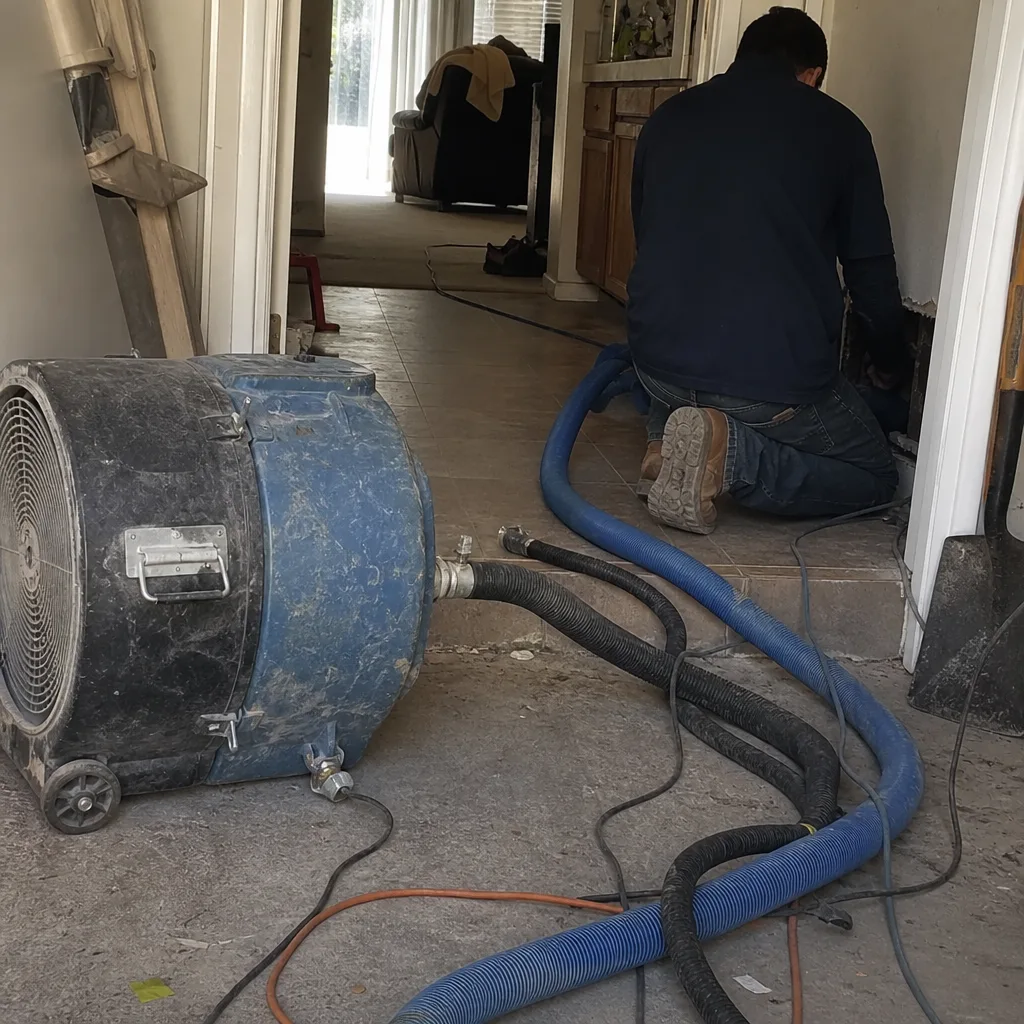
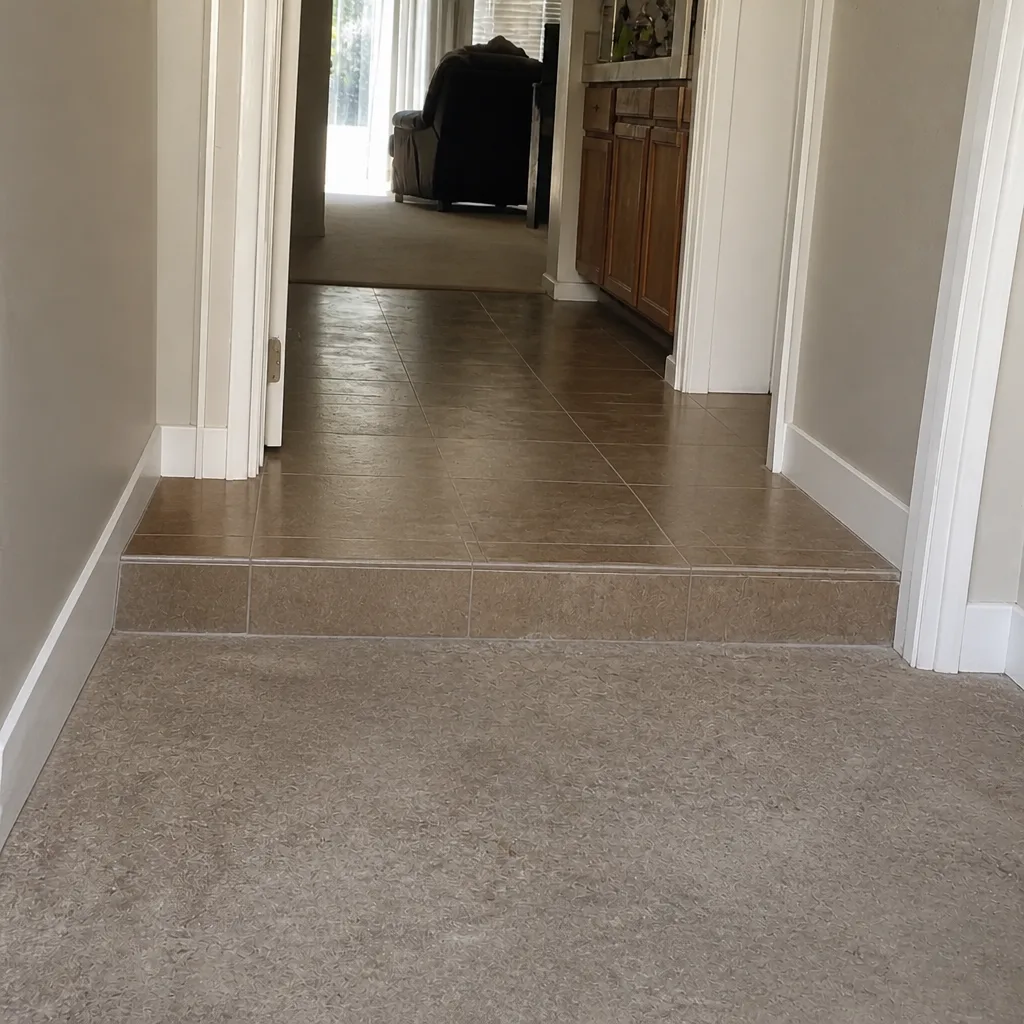
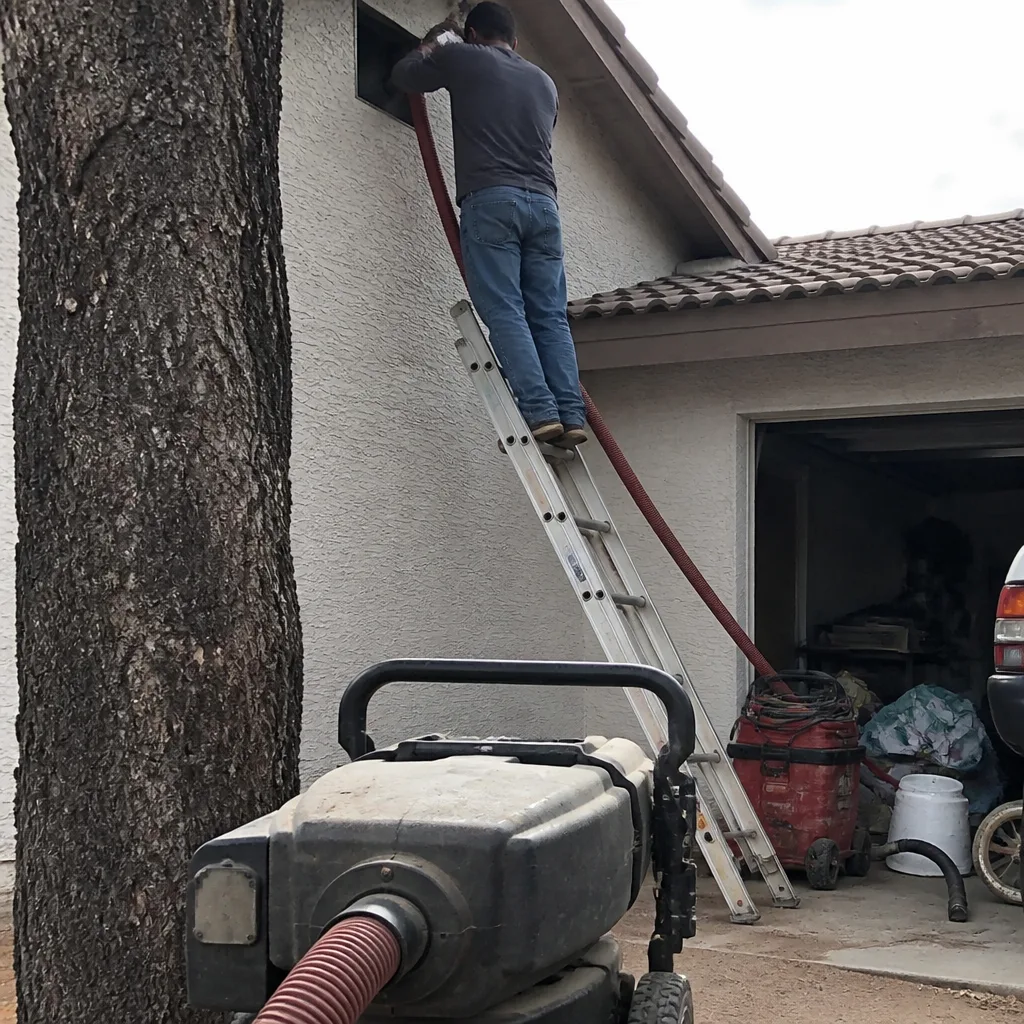
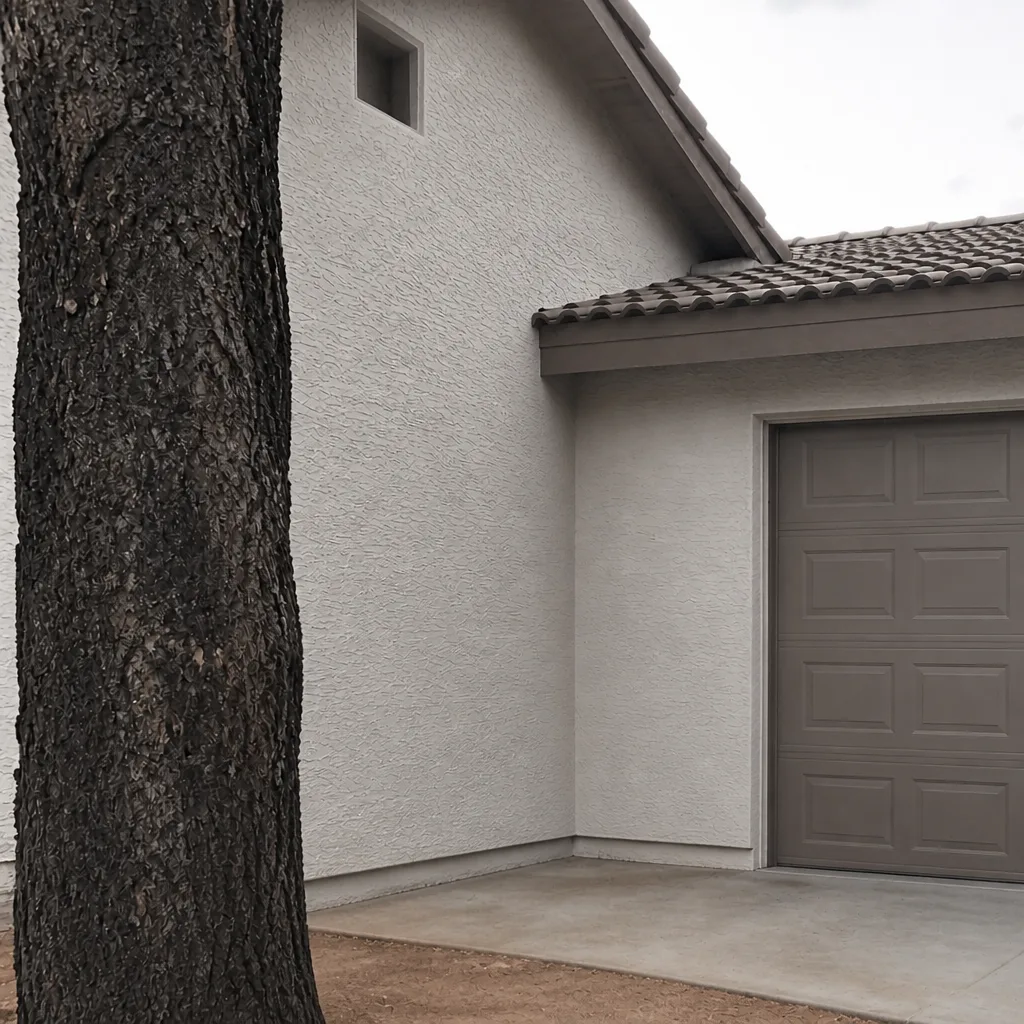
Whole-system duct and dryer vent check with before-and-after photos - you see exactly what came out of your vents
That "$99 whole-house special" is a bait ad - the real number appears once they are in your hallway, or the "clean" is a shop-vac at the register. We photograph the inside of your ducts before and after instead.
Air Duct Cleaning Emergency Preparedness Guide for Avondale Homes
Most Avondale homeowners treat duct cleaning as a comfort upgrade. Something to get around to eventually, like resealing the patio or replacing a tired filter. The truth sits in the opposite direction. Your duct network is the one part of your house that touches every room, and after a West Valley dust storm, a monsoon intrusion, or a smoke event from a fire burning outside the city, it becomes the fastest path for contamination to spread through the whole home. After the July 2023 haboob that swept the West Valley, contractors fielded calls from homeowners who had run their systems for days before realizing the return ducts had pulled fine particulate through the entire network. That’s a contamination event, not a routine cleaning job. This guide shows you how to tell the difference, what to do in the first 15 minutes, and how to plan ahead. We’ll walk through Avondale-specific scenarios, urgency indicators, and pre-season preparation.
Quick Answer
After a dust storm, monsoon water intrusion, or heavy smoke event in Avondale, you should not run your HVAC system until you’ve checked the return grilles, filter, and any visible dust on vents. If you see a heavy gray-brown coating, water stains, or a filter that’s dirtier than usual, treat it as a contamination event and get professional cleaning before the system spreads it through every room. If in doubt, schedule a professional inspection – it’s cheaper than a full-system decontamination.
Styles & brands we work with
- Whole-home duct cleaning
- Dryer vent cleaning
- Camera inspection
- Sanitizing & deodorizing
Table of Contents
- Why Avondale Ducts Face a Different Kind of Emergency
- Three Emergency Scenarios and How Each One Plays Out
- The 15-Minute Assessment After a Dust Storm
- Emergency Cleaning vs. Scheduled Cleaning: How to Decide
- How Duct Construction Quality Changes Your Risk
- Pre-Season Preparation Before Monsoon Season
- Monsoon Water Intrusion: The Quiet Aftermath
- Wildfire Smoke Events: What Actually Settles in Ducts
Why Avondale Ducts Face a Different Kind of Emergency
Avondale sits in the West Valley and takes the full brunt of the summer dust season. Haboobs – the massive dust walls that roll through the Phoenix metro – can drop a fine layer of particulate over an entire neighborhood in under an hour. Homes in Avondale that sit near open desert edges, new construction pads, or agricultural land on the western side take more impact than homes closer to the Estrella Mountains. That geography matters when a storm hits.
The monsoon tack-on problem is water. A summer storm can drive rain sideways into roof-mounted duct connections, attic penetrations, and the return plenum. If water gets into flexible duct insulation, it doesn’t dry out in valley heat – it soaks, sags, and starts to support biological growth. We’ve seen insulation inside flex duct that stayed damp for months after a single monsoon event because the homeowner never checked.
Wildfire smoke is the third piece. Fires in the surrounding desert and mountains push smoke plumes over Avondale during dry, windy stretches. The fine particles in smoke don’t just pass through – they coat the interior walls of return and supply runs and accumulate in the filter box. If you have a leaky return system, smoke can be pulled in through gaps you don’t even see.
Routine air duct cleaning handles the steady accumulation of household dust. Emergency cleaning handles what gets deposited in a single event. That’s the distinction most homeowners miss, and it changes how you plan.
Three Emergency Scenarios and How Each One Plays Out
Every contamination event in Avondale falls into one of three categories, and each requires a slightly different response. Here’s how each one plays out.
Scenario 1: Haboob Dust Infiltration
A dust wall hits. Windows and doors are closed, so the fine particulate gets pulled in through the make-up air path – usually return ducts, exhaust fans, and door undercuts. The system then circulates dust deposited on the return side throughout the entire supply network the next time the AC runs. Dust storms leave a fine, powdery layer that feels different from household dust: grayer, more granular, and often visible on the return grille fins within a day.
Scenario 2: Monsoon Water Intrusion
A heavy monsoon storm drives water into the attic or through a roof penetration and wets the duct insulation. The AC still runs, so cool air passes through a damp duct liner. That creates the conditions for mold and mildew growth inside the duct itself. Warning signs include a musty smell, visible moisture stains on the register frame, or flex duct that’s sagged visibly. Water intrusion is the most urgent of the three because biological growth follows quickly in summer heat.
Scenario 3: Wildfire Smoke Event
Smoke plumes from fires outside the Avondale area drift across the West Valley during dry stretches. Smoke particles are small enough to pass a cheap MERV-4 filter and end up coating the inside walls of return ducts and the supply-side run closest to the air handler. Smoke events don’t damage the system the way water does, but they leave an odor that recirculates for weeks.
- Haboob dust – visible powdery coating, happens fast, cleaning needed within a week or two
- Monsoon water – musty smell, sagging duct, cleaning and often repair needed urgently
- Wildfire smoke – odor, discolored filter, cleaning recommended after the smoke clears
The 15-Minute Assessment After a Dust Storm
This is the step most homeowners skip. Before you run the AC after any major dust event, take 15 minutes and walk through the home. It’s the single most useful thing you can do to avoid a full-system contamination job.
- Turn the system off at the thermostat. Don’t let it run while dust is sitting on the return side.
- Check the return air grille. Look at the fins and the opening. A light gray film is normal; a visible powdery layer or a caked edge means the return side took a load.
- Pull the filter and hold it up to light. Compare it to how it looked a week ago. If it’s noticeably heavier, darker, or gritty, the system pulled dust.
- Check visible supply registers in each room. A white or light-colored register face will show dust streaks if the supply side is being fed dust from the return.
- Smell the air near the return and at a supply register. Any musty or smoky smell after a monsoon or fire event means water or smoke reached the ducts.
- Look at the flex duct in the attic if accessible. Visible moisture stains, sagging, or a damp feel on the insulation means water intrusion.
- Run the system for 10 minutes and recheck one register. If new dust appears on a supply register you just wiped, the ducts are still shedding particulate – and it’s time to call.
If you get through those seven steps and find only light gray dust on the return grille, run the system and schedule cleaning on your regular timeline. If you find powdery coating, water, or a smell that wasn’t there before, close the steps and get it inspected. Our technicians have up to 9 years of experience, and in our view the most common homeowner mistake is running the system first and checking later.
Emergency Cleaning vs. Scheduled Cleaning: How to Decide
Not every post-storm conversation needs a same-day visit. In fact, most don’t. Here’s the practical line between “call today” and “book it into next week,” based on what we evaluate when a homeowner calls after an event.
Emergency cleaning indicators – same-day or next-day visit:
- Water intrusion in the attic, on flex duct insulation, or into the return plenum
- A musty or mildew smell that showed up after a monsoon storm
- Visible mold or dark staining on duct interior near a register
- System still shedding dust on supply registers after the filter was replaced
- A family member with asthma, allergies, or respiratory sensitivity, and visible dust intrusion
- Wildfire smoke event with heavy coating on the return filter
Scheduled cleaning indicators – book within 2-4 weeks:
- Light gray haze on the return grille with no smell or water
- Normal dust accumulation that could have used cleaning anyway
- No change in filter loading after a mild dust event
- No occupants with respiratory sensitivity
Water intrusion always tips the decision toward emergency. Dust is annoying; moisture is the start of a problem. If you’re not sure which category you’re in, call us and describe what you see. We can usually tell on the phone whether it’s a same-day visit or a scheduled appointment. Same-day service is available when it’s genuinely needed. Call (866) 361-9304. We answer 24/7. Fast dispatch from 7am to 7pm, Sunday through Friday.
How Duct Construction Quality Changes Your Risk
Two homes a few blocks apart in Avondale can be hit by the same haboob and end up with very different contamination loads inside the ducts. The variable is almost always how well the duct system is sealed. A sealed return system with properly taped and mastic-coated joints keeps storm dust out of the cavity. A leaky return system, where joints aren’t sealed and flex duct connects loosely to the plenum, pulls attic air, wall cavity air, and outside dust directly into the airstream.
This is why duct cleaning in Avondale isn’t just about the cleaning itself. During a cleaning visit, we look at the connections. A return plenum with visible gaps at joints is a doorway for dust during the next storm. Sealing those joints is a cheap fix that pays for itself in reduced contamination. That’s exactly why we offer Air Duct Repair as a standalone service – sealing gaps, closing leaks, and fixing damaged runs. Most duct-cleaning-only companies will identify a leaky return and tell you to call someone else. We can close it in the same visit.
Two more construction details that change your risk profile:
- Attic duct insulation quality. Thin bubble-wrap insulation on flex duct offers little barrier. Ducts with thicker, well-installed insulation resist water intrusion and dust penetration better.
- Return duct location. Returns routed through an unconditioned attic pull hotter, dustier air than returns in a central chase. Homes with attic-routed returns in Avondale tend to accumulate more contamination after dust events.
If you want to know where your system sits on this scale, a professional inspection tells you fast. We use Rotobrush and Nikro equipment to inspect the full run, including the return side most homeowners never see.
Pre-Season Preparation Before Monsoon Season
Monsoon season in Avondale typically builds from early July through September. Doing the prep work in the late spring – before the storms hit – reduces the chance you’ll need an emergency cleaning at all. Here’s the pre-season checklist we recommend to homeowners and property managers in Avondale, Avondale, and the surrounding West Valley neighborhoods.
- Seal the return duct system. Even small gaps at joints and plenum connections let in a lot of dust during a haboob. A professional sealing visit closes those gaps.
- Upgrade the filter to a MERV-11 or MERV-13. Higher MERV catches more fine particulate. Don’t overshoot – a MERV-16 filter on a system not designed for it will strain the blower. Honeywell and Aprilaire filters are the brands we see most often, and the right MERV level for your system is a conversation, not a guess.
- Document current system condition. Photograph the return grilles, filter, and any accessible attic duct before storm season. That “before” reference makes it easy to tell after a storm whether the system pulled a real load.
- Inspect attic duct for existing water stains or sagging. Old damage from last monsoon season will only get worse. Fix it before the next rain.
- Schedule a cleaning before the season, not during it. A clean system with sealed returns resists contamination far better than one that’s already half-filled with household dust.
- Have a contact number ready. After a big storm, every HVAC company in the West Valley gets busy. Knowing who to call – and having them know your system – takes the stress out of the moment.
One more note on filters: a filter that’s already loaded going into monsoon season will pass more particulate. Check it going into June, replace it if there’s any doubt, and check it again after the first major dust event.
Monsoon Water Intrusion: The Quiet Aftermath
Monsoon damage is the emergency scenario that catches Avondale homeowners off guard, because it doesn’t announce itself. There’s no dust wall. There’s just a heavy evening storm, then a musty smell a week later that you can’t quite place. By the time the smell is obvious, water has usually been sitting in the flex duct insulation for days.
Where does water get in? In Avondale homes the usual suspects are roof penetrations where the duct passes through the attic, poorly sealed vent boots on roof-mounted exhaust, and the return plenum when the attic itself gets soaked. Flexible duct with even a small amount of water inside its insulation becomes a growth site in summer heat. The insulation stays damp even when the surface feels dry.
What to do after a storm that might have driven water into the attic:
- Inspect the attic for water stains, damp insulation, or new sagging in the duct runs
- Smell the air near each supply register – musty means moisture
- Check for condensation or drip marks on the register frames and ceiling drywall near the air handler
- Do not run the system if you see water – running it circulates moisture-laden air through every room
If any of those checks turn up evidence, a professional inspection is the next step. Duct repair and cleaning together can address the water-damaged section. What we don’t do is biological remediation of building materials – if water has reached drywall or framing inside a wall cavity, that’s a separate trade. But ducts themselves, we handle. If you’re in Avondale and unsure, call (866) 361-9304 for a free estimate.
Wildfire Smoke Events: What Actually Settles in Ducts
Wildfire smoke doesn’t need to come from a fire in Avondale to affect Avondale homes. Plumes from fires burning in the surrounding desert or foothills can drift over the West Valley on prevailing winds. When they do, the affected air gets pulled into your system through returns, and the fine particles – often under 2.5 microns – can slip past a standard filter.
What settles in the ducts after a smoke event is a fine, oily ash coating. It doesn’t look the same as dust. It’s darker, often blackish or brownish, and it sticks to the interior walls of the duct. This is where the odor lives. Even after the outdoor air clears, the smoke smell can keep circulating for weeks because the source is now inside the duct system.
What helps in the immediate aftermath:
- Set the system to “on” with the fan running for the first few hours if a filter upgrade is in place – it pulls particles out of the air rather than letting them settle into ducts
- Keep windows and doors closed while the smoke plume is in the area
- Swap the filter when air quality clears; a loaded filter passes more odor than a fresh one
- If smell persists after the outdoor air clears for several days, schedule a cleaning and filter check – Aprilaire and Honeywell filtration equipment can help, but filters only catch what passes through the system
Smoke events are usually the least urgent of the three scenarios, but for households with asthma or allergy concerns, they move up the priority list.
Common Mistakes to Avoid
- Running the system during a dust storm to “clear the air.” This pulls the whole storm load into the return duct in one motion. Turn the thermostat off and wait for the wall to pass.
- Skipping the filter change after a haboob. A loaded filter becomes a dust reservoir that recirculates particulate through the home for weeks.
- Assuming a musty smell is “just the monsoon humidity.” In Avondale, a persistent musty smell indoors after a storm is a strong signal of water intrusion into the duct system.
- Believing that “cleaning is cleaning.” A routine cleaning that doesn’t address a leaky return or a water-damaged section leaves the root cause in place. Sealing matters as much as scrubbing.
- Hiring a duct cleaner who can’t repair what they find. If the technician spots a water-damaged run or a leaky plenum and tells you to call another company, you’re paying twice. Duct cleaning and duct repair belong to the same visit.
- Skipping pre-season documentation. Without “before” photos, it’s hard to tell if the visible coating after a storm is new damage or leftover accumulation from last summer.
- Using a cheap MERV-4 filter as a “budget” approach for desert dust. MERV-4 catches almost none of the fine particulate that Avondale dust and smoke events produce. Upgrade to a filter your system can handle – that’s usually MERV-11 to MERV-13.
See the difference
 Before
 After
 Before
 After
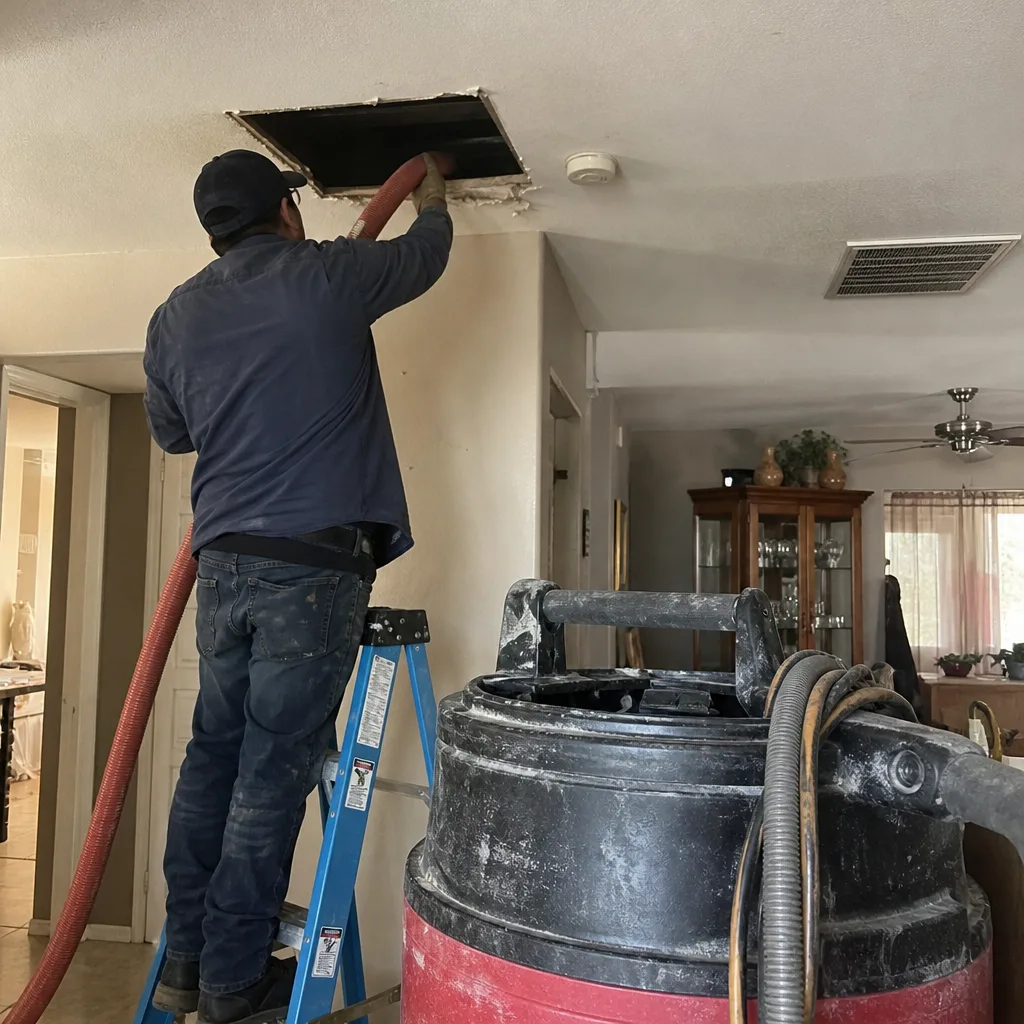 Before
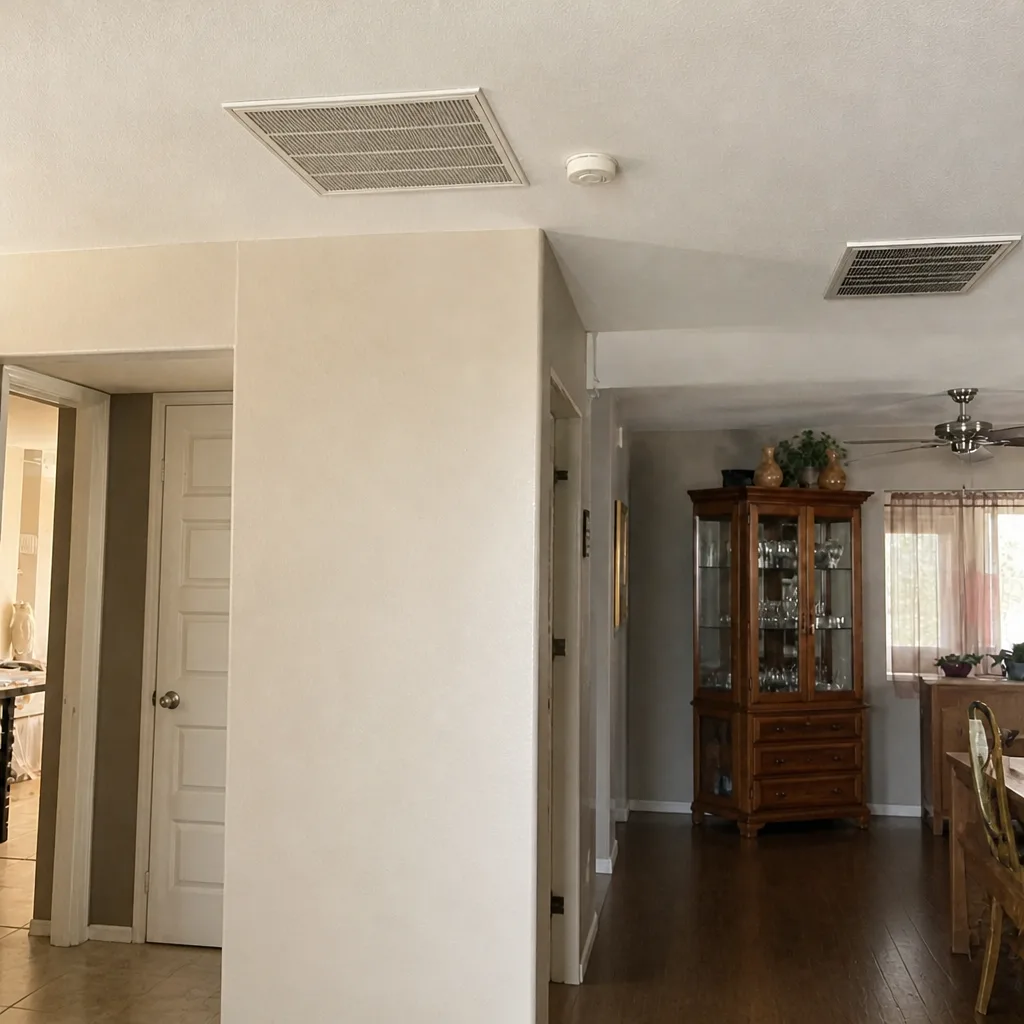 After
When to Call a Professional
Call us when the 15-minute assessment turns up any of the following: visible powdery coating on return grilles, water in the attic duct insulation, musty smell after a monsoon storm, or smoke odor that persists after the outdoor air clears for several days. Also call if you have someone in the home with asthma, allergies, or a compromised immune system and you’re unsure whether the system pulled contamination. Duct Cleaning Avondale offers free estimates in Avondale – call (866) 361-9304. We answer 24/7, with fast dispatch from 7am to 7pm, Sunday through Friday.
We use Rotobrush and Nikro equipment for cleaning and inspection, Abatement Technologies negative-air containment on jobs that need it, and we can service the Honeywell and Aprilaire filtration attached to your system. Air Duct Repair is offered as a separate service, which means when we find a gap, a leak, or a damaged run, we can close it in the same visit. That matters after an emergency event – you don’t want the cleaning done by one company and the repair by another.
If you’re a property manager responsible for multiple Avondale homes, the same pre-season checklist applies to each unit. Planning the cleaning before monsoon season is far easier than triaging it afterward. Our Avondale service page covers the routing and how to reach us.
Frequently Asked Questions
Clean within 1-2 weeks after a major dust storm if the 15-minute assessment shows visible powder coating on the return grille or a heavier-than-usual filter. If you find water intrusion or a musty smell, call same-day – water damage compounds quickly. Routine dust accumulation that predates the storm can wait for a scheduled cleaning. Call (866) 361-9304 for an exact quote – estimates are free.
Cost depends on square footage, the number of registers, and whether repair work is needed. Systems with leaky returns or water-damaged sections need repair alongside cleaning, which changes the estimate. We give one flat price per system after seeing the property, agreed before any work starts – no per-vent pricing, no teaser coupon that becomes a bigger invoice on-site. Call (866) 361-9304 for a free estimate.
Low quotes usually skip the return side, use consumer-grade vacuums that don’t pull the fine desert particulate, or don’t seal leaks they find. A truck-mounted unit and a shop vac produce very different results in Avondale’s dust environment. Ask what equipment the company brings, whether they clean the return side, and whether they’ll fix a leaky return – that separates a real cleaning from a surface wipe. Call (866) 361-9304 to compare against a professional quote.
Ask for before-and-after photos of your own ducts. A professional cleaning leaves visible evidence – the return plenum before and after, the filter box cleaned, the supply runs verified. At Duct Cleaning Avondale we photograph both states so you can compare them yourself. If you’re comparing quotes, ask whether photos of your specific system are included. Call (866) 361-9304 to schedule.
Every 3-5 years for most homes, but Avondale sits in a dust-active climate. Homes near open desert edges, new construction, or agricultural land often need cleaning closer to every 2-3 years, and any home needs a cleaning within a few weeks after a major haboob, monsoon water event, or heavy smoke event. Pre-season cleaning before July reduces the odds of needing an emergency visit. Call (866) 361-9304 to book a pre-season estimate.
Yes. Our team can work with Honeywell and Aprilaire air-quality equipment, cleaning the ducts and the filtration system together. We can recommend the right filter MERV for your system and check that the air-quality equipment is still performing correctly. Call (866) 361-9304 for a free estimate that covers both the ducts and the filtration.
The Bottom Line
Avondale’s dust storms, monsoon rain, and wildfire smoke each create a different duct problem, but the response pattern is the same. Turn the system off. Run the 15-minute assessment. Decide whether the situation is emergency or scheduled. Pre-season preparation – sealing returns, upgrading filters, documenting system condition – reduces the chance you’ll need an emergency cleaning at all. If you find evidence of contamination, don’t wait for the smell to become obvious. And remember to check the dryer vent cleaning side of your home too – a dryer vent packed with lint is a safety risk that a duct cleaning visit can usually address in a short add-on.
Call (866) 361-9304 for a free estimate. We answer 24/7. Fast dispatch from 7am to 7pm, Sunday through Friday.
Written by the team at Duct Cleaning Avondale.