
Last updated November 16, 2026
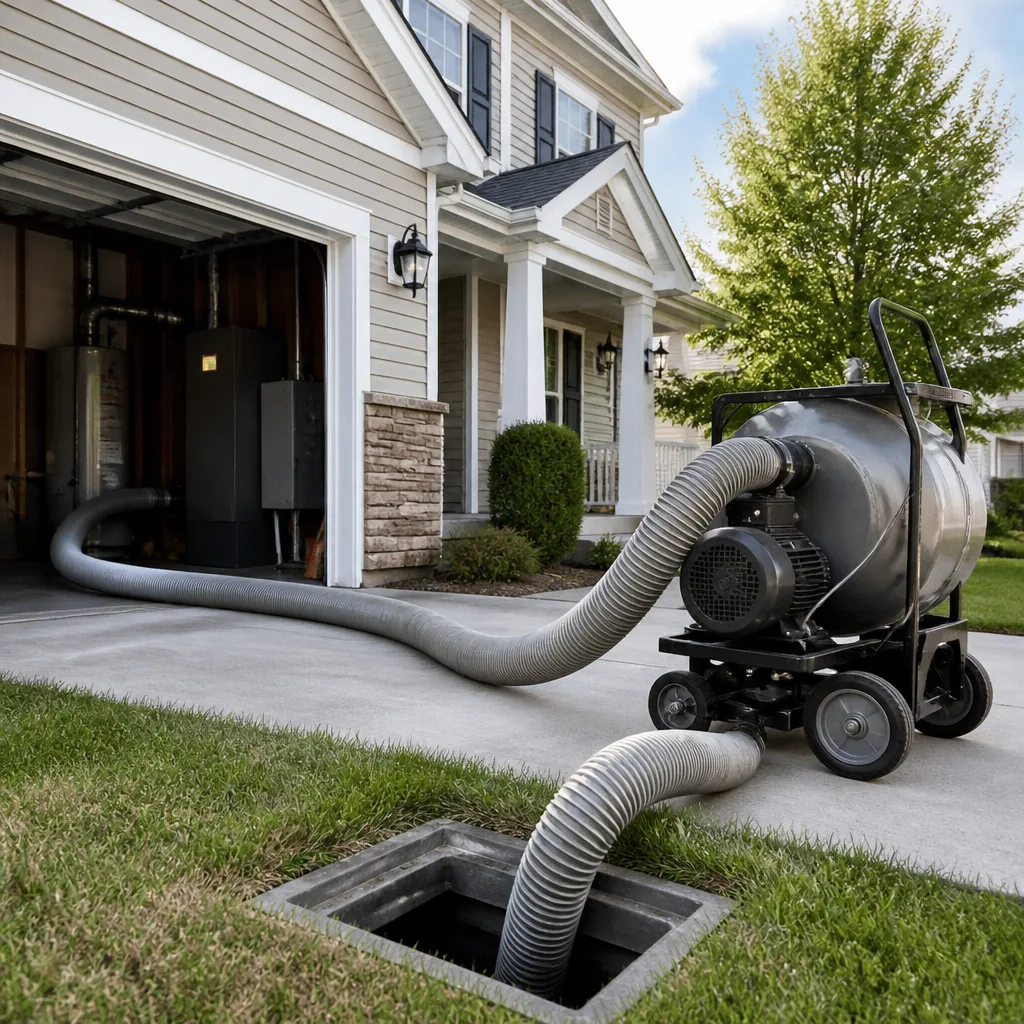 Whole-home duct cleaning
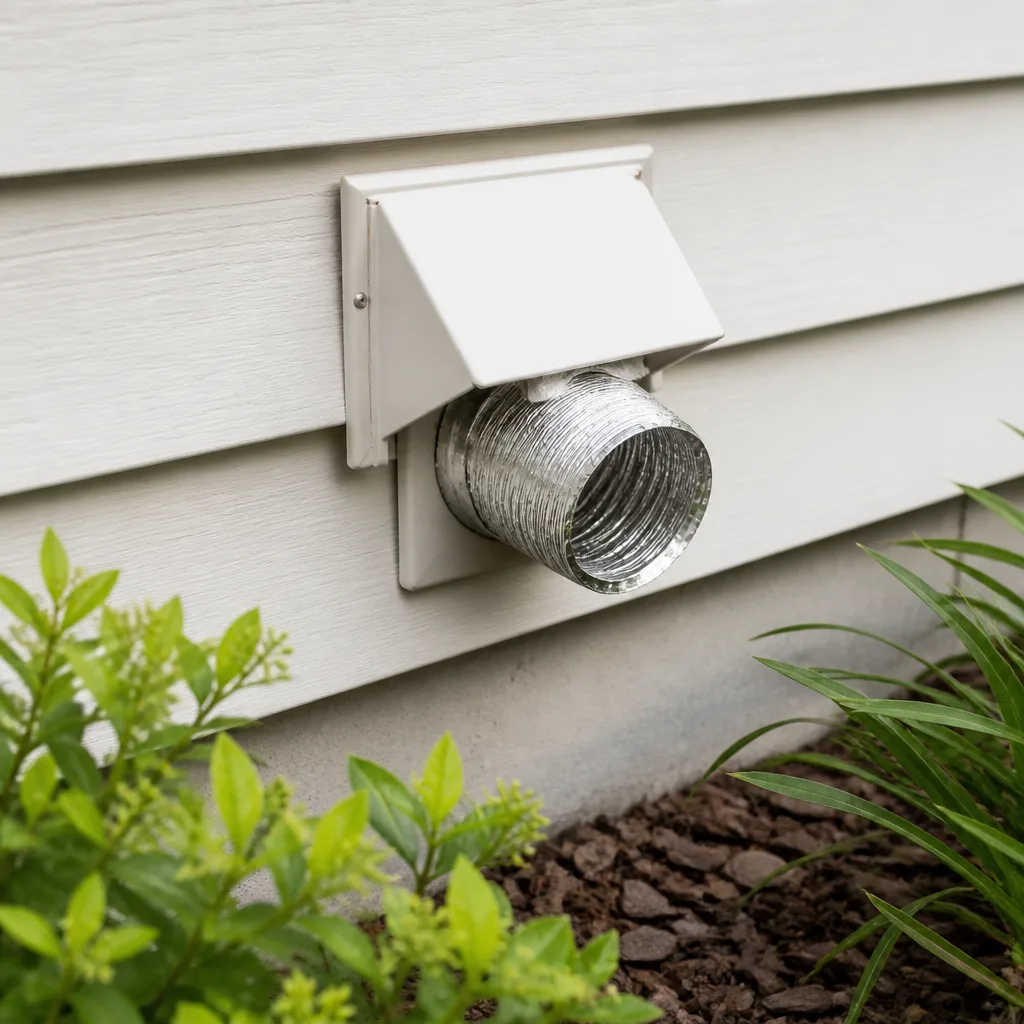 Dryer vent cleaning
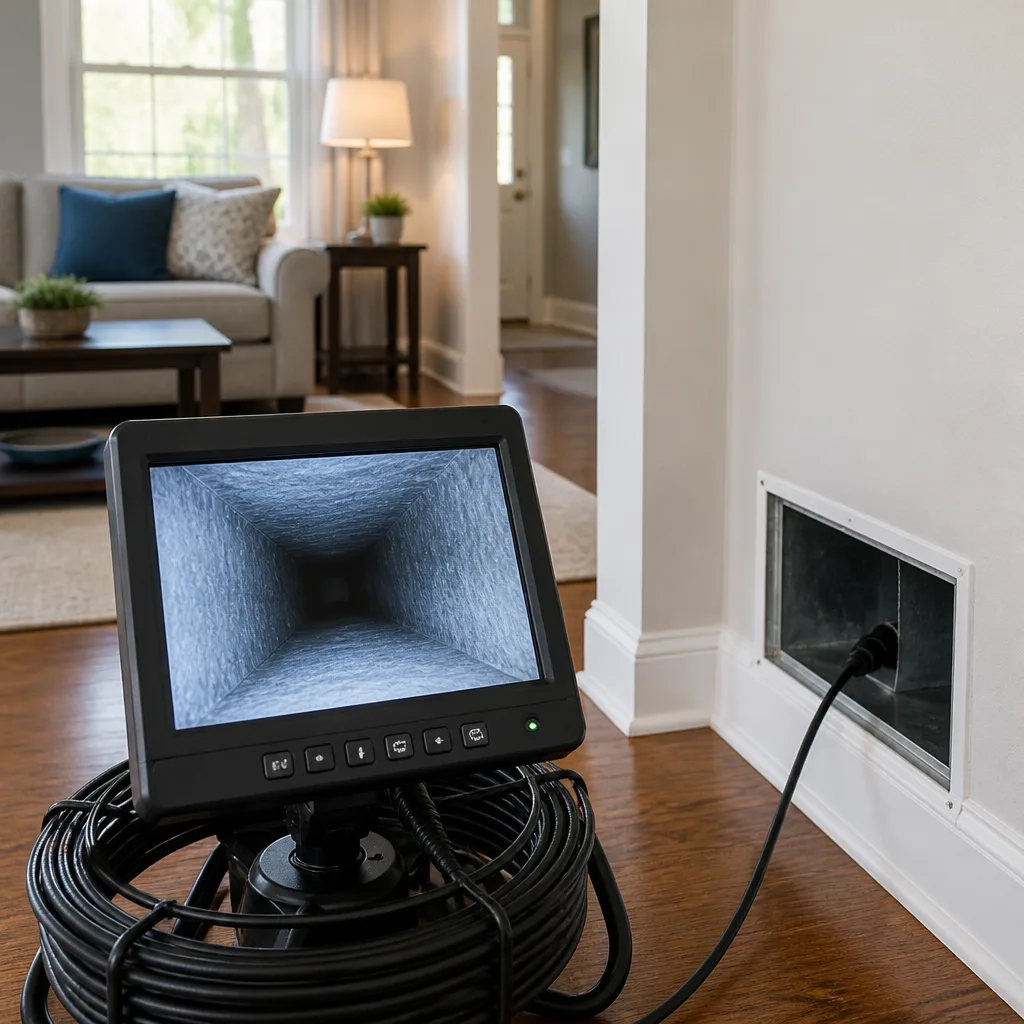 Camera inspection
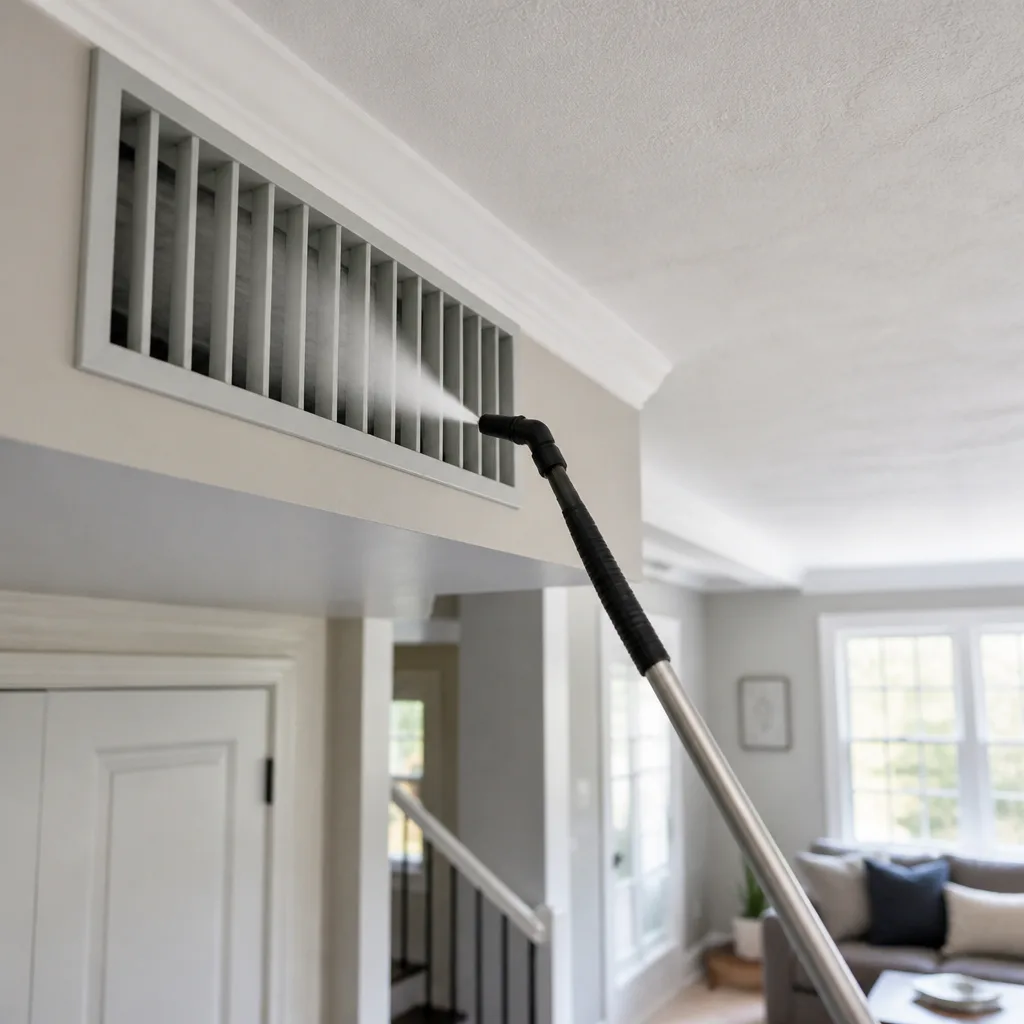 Sanitizing & deodorizing
Whole-system duct and dryer vent check with before-and-after photos - you see exactly what came out of your vents
That "$99 whole-house special" is a bait ad - the real number appears once they are in your hallway, or the "clean" is a shop-vac at the register. We photograph the inside of your ducts before and after instead.
DIY vs Professional Air Duct Cleaning: The Avondale Homeowner’s Decision Guide
A shop vac and a dryer vent brush can genuinely clean the first 18 inches of a supply duct. That’s roughly where the DIY job ends. Without the negative pressure a professional system generates, whatever sits 10 feet back in the trunk line stays exactly where it is, and the homeowner never knows the difference. This guide explains the physics behind that gap, what you can legitimately do yourself, what you can’t, and how to decide which route makes sense for your Avondale home.
Quick Answer
DIY air duct cleaning can handle register covers, grille washing, and the first stretch of accessible duct near each vent, but it cannot pull debris from deep duct runs because consumer vacuums can’t generate the negative pressure professional equipment does. For homes with visible dust at the registers, a recent remodeling project, or a suspected leak somewhere in the system, professional cleaning is the only method that reaches the contamination. Everything else is surface work.
Styles & brands we work with
- Whole-home duct cleaning
- Dryer vent cleaning
- Camera inspection
- Sanitizing & deodorizing
Table of Contents
- The Physics of Duct Cleaning: Why Airflow and Pressure Matter More Than Effort
- What DIY Duct Cleaning Can Actually Accomplish
- What Professional Duct Cleaning Reaches That DIY Cannot
- The Honest Cost Comparison: Supplies, Time, and Cleaning Depth
- The Risk Profile of Aggressive DIY Attempts
- When DIY Is a Reasonable Maintenance Step Between Professional Cleanings
- Why Avondale Homes Present Particular Duct Challenges
- The Decision Framework: Four Questions to Ask Yourself
The Physics of Duct Cleaning: Why Airflow and Pressure Matter More Than Effort
Duct cleaning is a pressure problem, not a scrubbing problem. Debris inside a duct system clings to the walls, settles into seams, and gathers at the bottom of horizontal runs. To lift it, you need a volume of moving air strong enough to break those particles loose and a suction source strong enough to carry them out. Professional truck-mounted and portable systems are rated in the thousands of cubic feet per minute (CFM), with static pressure ratings built to push and pull air through a full residential distribution system. A shop vac is rated in the low hundreds of CFM, and its suction drops sharply the moment you attach a hose long enough to reach inside a duct.
Think about what that means ten feet into a trunk line. A shop vac hose connected at a register is pulling from the wrong end, with no negative-air source sealing off the rest of the system. The dust you’re trying to remove has nowhere to go except back into the room. That’s the core limitation. Professional equipment works by creating negative pressure across the whole system while a rotating brush or air whip agitates the duct walls, so loosened debris travels toward the collection point instead of drifting back into the living space.
We’ve watched homeowners spend a weekend vacuuming every register and still find dust settling onto furniture within days. The dust they removed was real – it just wasn’t the dust causing the problem. Professional duct cleaning involves equipment like Rotobrush and Nikro systems that are engineered for the specific job of moving air through long, narrow, jointed ductwork, plus Abatement Technologies negative-air machines on jobs that need contained filtration. Those machines aren’t a marketing detail. They’re what makes reaching the far end of the system possible at all.
What DIY Duct Cleaning Can Actually Accomplish
There’s a legitimate DIY scope, and it’s worth naming honestly rather than dismissing it. If you own your Avondale home and you want to keep the visible parts of the system clean between professional visits, these tasks genuinely help:
- Register cover cleaning. Pop the cover off, wash it in the sink or with a hose, dry it fully, and put it back. That’s real dust removal, and it stops the register itself from shedding particles into the room.
- Grille washing. Return-air grilles collect a surprising amount of lint and hair. Vacuuming the grille face and cleaning the slats makes a visible difference in air quality at the intake.
- Accessible plenum vacuuming. If your system has an accessible return plenum or a filter housing you can safely reach, a gentle vacuum of the flat surfaces is fine. Don’t reach deep or force a hose into a flex run.
- Filter changes. The single most effective thing a homeowner can do. A clogged filter restricts airflow and forces the system to work harder; a clean one lets the ducts do their job.
- Register-area dusting. Wiping down the wall and trim around each register prevents dust from being pulled back into the intake.
What this list doesn’t include is the inside of the supply runs, the trunk line, or anything past the first accessible section. Those aren’t reachable from a register with consumer equipment, and forcing the issue is where DIY cleaning stops working and starts causing problems. Laundry dryer vent cleaning is a separate conversation entirely – we cover dryer vent cleaning in detail because the access method and risk profile are different from ductwork.
What Professional Duct Cleaning Reaches That DIY Cannot
A professional cleaning works from the inside out, under controlled pressure, with tools sized to the duct. The process generally follows a sequence like this:
- Inspect the system to map the layout, count the runs, and check for disconnected or crushed sections.
- Set up a negative-air machine (an Abatement Technologies unit, for example) to hold the system under continuous negative pressure so debris doesn’t escape into the home.
- Seal registers and returns to concentrate suction where it’s needed.
- Run a rotating brush or air whip through each run, agitating the duct walls so accumulated dust and debris release and travel toward the collection point.
- Clean the plenum, the air handler access area, and the trunk line as part of the same visit.
- Verify with a before-and-after photo set so the homeowner can see what was removed.
That’s a different operation from what a homeowner can run off a household outlet. Rotobrush systems are the industry’s standard rotating-brush tool; Nikro systems cover the pressure and filtration side. Neither is a product a homeowner can reasonably buy and run safely. What they deliver is depth – the ability to clean past the first accessible section and into the full distribution system.
There’s a second professional capability that matters, and most duct-cleaning-only companies don’t offer it: air duct repair. A professional visit that finds a crushed flex run, a disconnected joint, or a gap at a plenum boot can fix it in the same appointment. That closes the loop between cleaning and function. A system that’s clean but leaking isn’t delivering what you paid for. For an Avondale home with a hidden leak, that repair is often the actual fix, not the cleaning. We handle duct repair through a separate air duct cleaning workflow that lets us find and fix in one visit, and we can also work with Honeywell and Aprilaire filtration equipment attached to the system.
The Honest Cost Comparison: Supplies, Time, and Cleaning Depth
The cost comparison most homeowners want is simple: what does DIY cost versus what does professional cost. The honest answer requires comparing what each method actually accomplishes, because they aren’t the same job.
DIY supplies and time
- Shop vac hose and attachments – already-owned or purchased
- Duct brush kit – available at hardware stores
- Register cleaning supplies (rags, mild cleaner)
- Filter replacements
- Several hours of your time, often spread across a weekend
- Cleaning depth: register covers, grille faces, the first accessible section of each duct, and the accessible plenum
Professional service
- Whole-system cleaning under negative pressure, including trunk line and each supply run
- Equipment that reaches the full length of every duct
- Before-and-after photos of your own system
- Repair capability if the inspection finds a problem
- One flat price agreed before work starts
What most homeowners discover is that the two columns don’t compare. DIY spending buys surface cleaning; professional spending buys a full system cleaning. If your ducts are only mildly dusty and you’re doing cosmetic maintenance, DIY is a reasonable value. If you’re trying to solve a real air-quality problem, a persistent dust issue, or a suspected leak, the DIY dollar buys very little of what you actually need. That’s the comparison worth making.
We don’t quote per-vent prices because that pricing model encourages a cheap headline number that grows on the invoice once a technician is inside the house. A whole-system price agreed before work starts is a cleaner arrangement for both sides, and it’s what you should ask for from any company you talk to. Duct Cleaning Avondale gives free estimates in Avondale so the number is settled before anyone shows up.
The Risk Profile of Aggressive DIY Attempts
Moderate DIY cleaning is safe. Aggressive DIY cleaning can cause real damage, and the failure modes aren’t always obvious right away. The four most common we’ve seen:
- Flex duct puncture. Flex duct is a thin plastic inner liner wrapped in insulation. A brush or a shop vac attachment pushed too hard will tear the liner, and a torn liner becomes a leak that costs more to fix than the cleaning would have.
- Insulation displacement. The insulation around ductwork is part of the thermal envelope. Poking around inside a duct run can shift insulation off the duct body, which drops efficiency and can create condensation problems in Avondale’s summer heat.
- Dislodged debris into the air handler. Debris knocked loose with a shop vac and no proper collection point can travel into the air handler itself. That’s a blower problem, and blower problems are expensive.
- Register damage. Prying off stuck register covers with a screwdriver tends to bend the cover frame and sometimes the drywall around it. Drywall repair is not a duct cleaning task.
None of this argues for avoiding DIY entirely. It argues for staying inside the safe scope: registers, grilles, accessible flat surfaces, filter changes. The interior of duct runs is a job for professional equipment, and it’s not because homeowners lack effort.
When DIY Is a Reasonable Maintenance Step Between Professional Cleanings
A professional cleaning isn’t a one-time event, and it shouldn’t be. The reasonable rhythm for most Avondale homes is a professional cleaning every few years, with the DIY maintenance list above done in between. That keeps filters fresh, registers clean, and surface dust under control without pretending the deep system is being managed.
Scenarios where DIY maintenance makes particular sense between professional cleanings:
- You’re staying in the home long-term and want to extend the value of your last professional visit.
- You’ve recently had remodeling work done (the dust from drywall and sawdust settles into the system and needs periodic register cleanup).
- You’ve added pets and want to keep filters and registers fresher.
- You’re a property manager keeping rental units presentable between scheduled cleanings.
None of these scenarios turn DIY into a substitute for a full cleaning. They just acknowledge that surface work between professional visits is useful.
Why Avondale Homes Present Particular Duct Challenges
Avondale’s climate works on duct systems in specific ways. The summers are long and dry, which means air conditioning runs hard for months, pulling air through the same ductwork on a daily cycle. Fine desert dust – not visible to the naked eye at ground level but present in every return – collects inside the system over time. When the AC runs for five or six months straight, every run of duct is active every day, and the dust load accumulates steadily.
The other factor is construction era. Avondale covers a wide range of housing stock, from older ranch-style homes to newer subdivisions in the West Valley, and duct systems vary significantly by build year. Older flex duct runs may have loose joints or degraded insulation. Newer systems tend to be tighter but sometimes use layouts that make certain sections harder to reach. Neighborhoods throughout Avondale – from the established streets around the historic downtown to newer developments on the city’s west side – reflect that spread of construction. That matters for cleaning because the equipment and the method have to fit the system, not the other way around.
What we hear from Avondale homeowners is often the same story: they cleaned the registers, replaced the filters, and still noticed dust settling onto surfaces. That’s the natural signal that the problem is deeper in the system than DIY can reach. You can read more about our work in Avondale and what a professional visit involves.
The Decision Framework: Four Questions to Ask Yourself
If you’re trying to choose between DIY and professional cleaning, run through these four questions before you decide:
- Is the dust visible at the registers, or is it coming from the air itself? Visible dust on grilles is surface-level and DIY-friendly. Dust settling onto furniture after the system runs points to source contamination deeper in the system.
- Have you had recent remodeling or a pest issue? Drywall dust and debris from a renovation travel into ductwork and settle deep. DIY can’t remove that.
- Is the airflow at your vents weaker than it used to be? Reduced airflow often means a crushed run, a disconnected joint, or a leak. That’s a repair problem, and DIY cleaning won’t fix it.
- Have you or a family member noticed more dust, allergy symptoms, or stale air recently? If the answer is yes and the surface maintenance hasn’t helped, professional cleaning is the next step.
If most of your answers point to surface issues, DIY is a fine choice. If most point to depth, the professional route pays for itself in what it removes. You can call Duct Cleaning Avondale at (866) 361-9304 for a free estimate if you’re unsure. Our technicians have up to 9 years of experience with duct systems and can walk through the decision with you before you commit.
Common Mistakes to Avoid
- Treating a shop vac as a duct cleaner. A shop vac can clean registers and accessible surfaces, but it cannot generate the negative pressure to pull debris from duct runs. If you attempt it anyway, you’re moving dust around rather than removing it.
- Buying a “duct cleaning” brush kit and expecting professional results. Those kits clean the first accessible section. They don’t reach the trunk line, and forcing them deeper risks tearing flex duct.
- Ignoring the dryer vent because the ducts “looked fine”. The dryer vent is a separate system and a separate fire risk. Lint accumulation in the vent line isn’t visible from the outside, and it’s a leading cause of residential fires. That’s a safety conversation, not a comfort one.
- Skipping filters because the ducts were just cleaned. A clean duct system with a clogged filter works harder than a dusty system with a fresh filter. Filters need regular changes regardless.
- Assuming a clean-looking register means a clean duct system. Register covers hide the duct interior completely. The only way to know what’s inside is to look with proper equipment.
- Chasing the cheapest quote. A very low headline price from a duct cleaning company usually becomes a much larger invoice once the technician is on site. Ask for a whole-system price agreed before work starts and before-and-after photos of your own system.
- Assuming the cleaning also fixed the leak. If the inspection found a disconnected run or a gap at a plenum, that’s repair work. Ask specifically whether the company handles duct repair or just cleaning.
See the difference
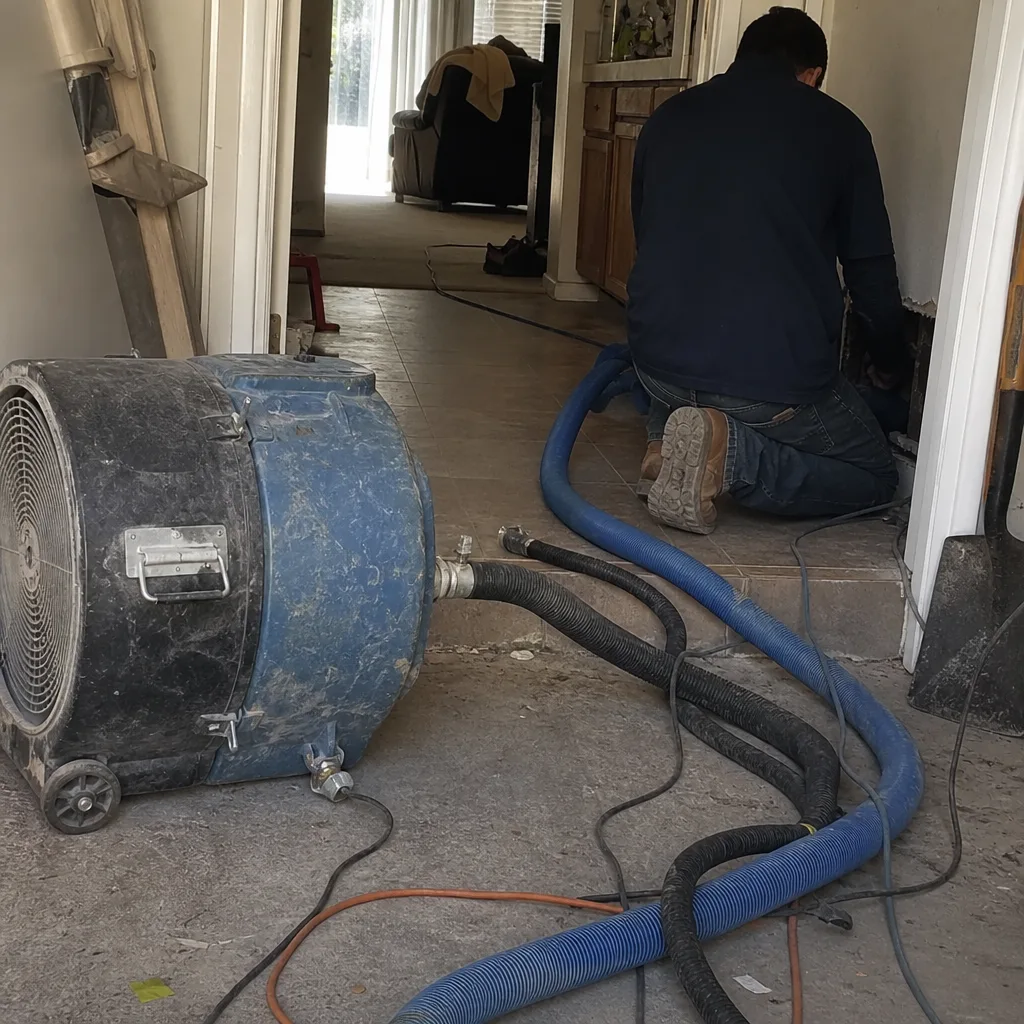 Before
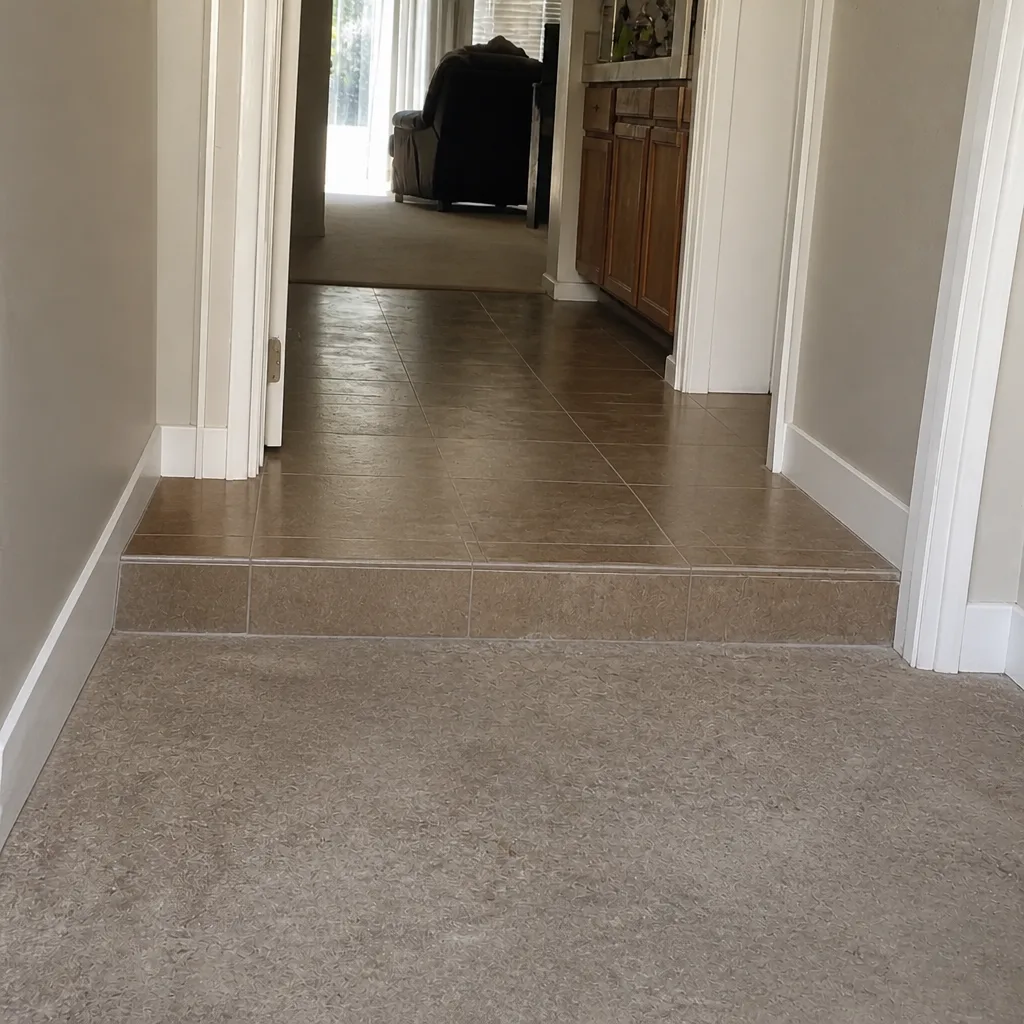 After
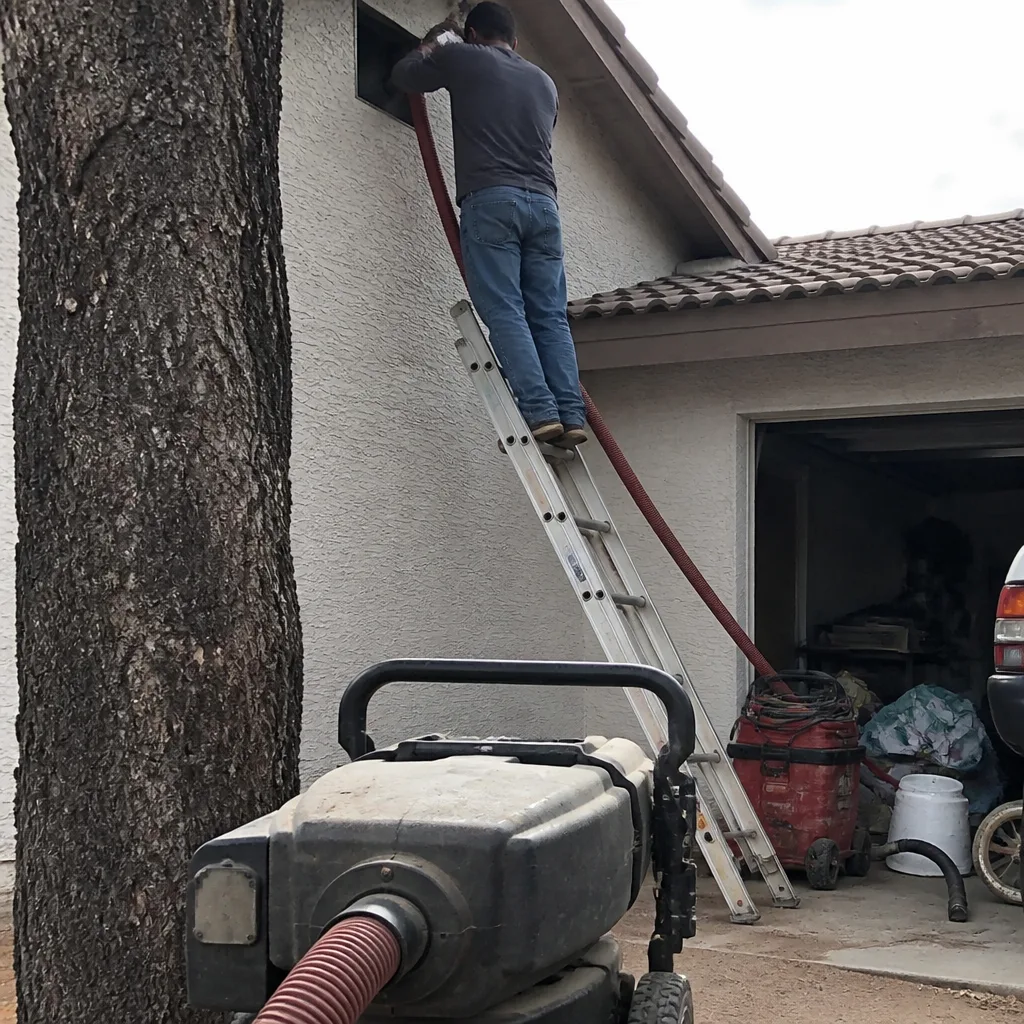 Before
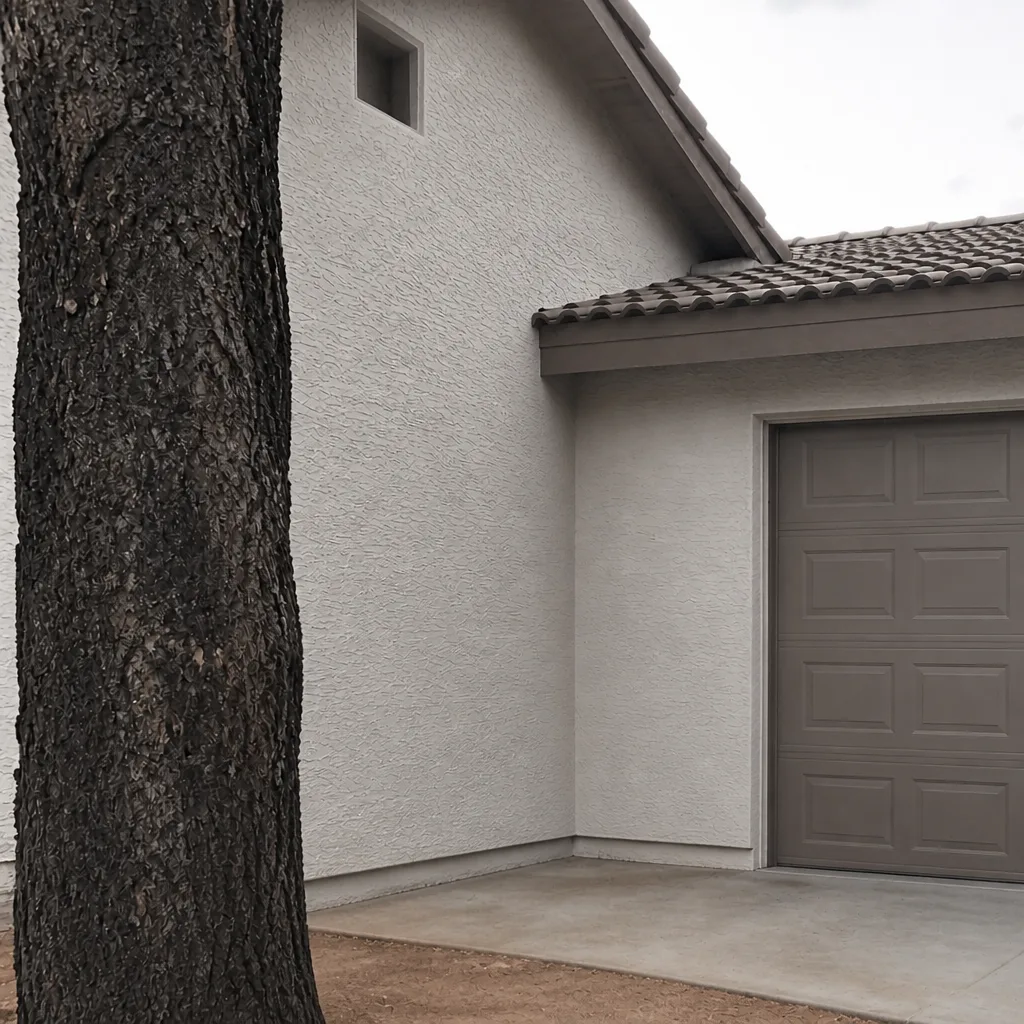 After
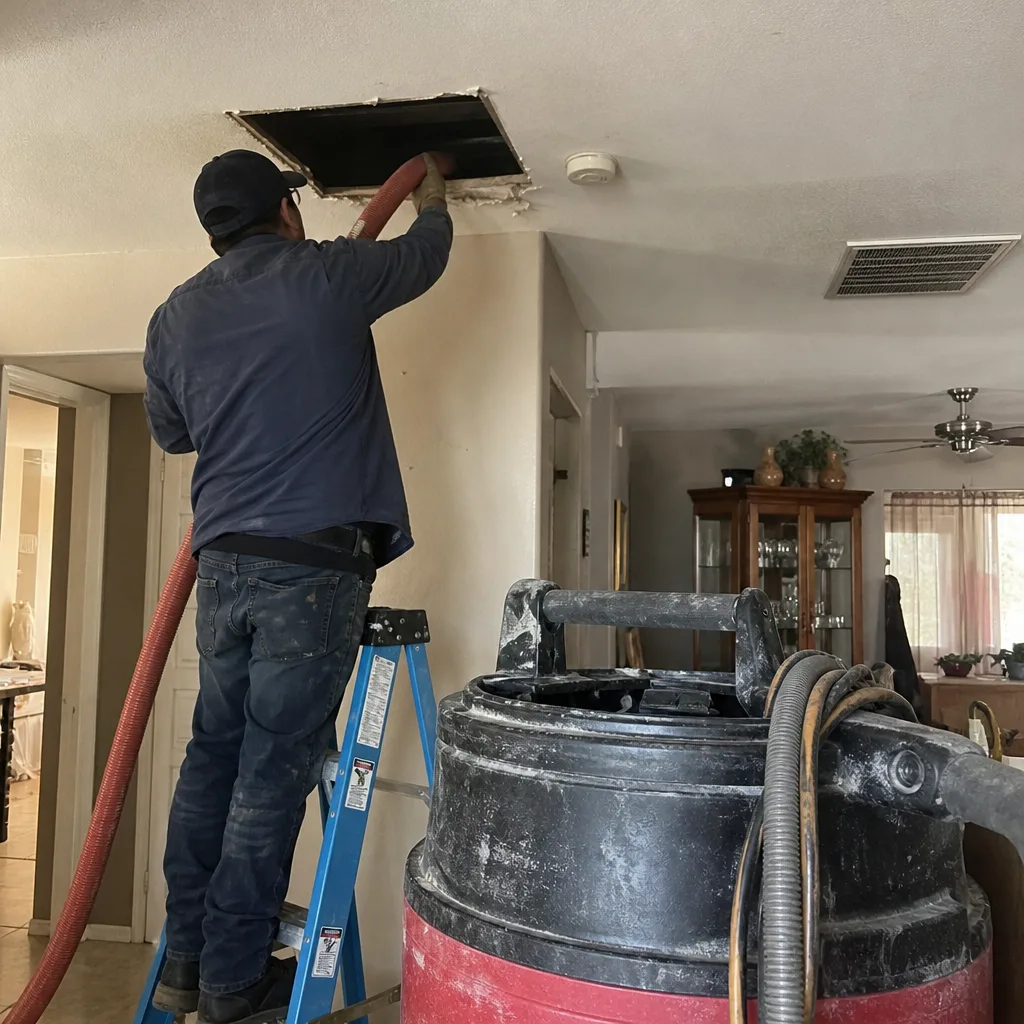 Before
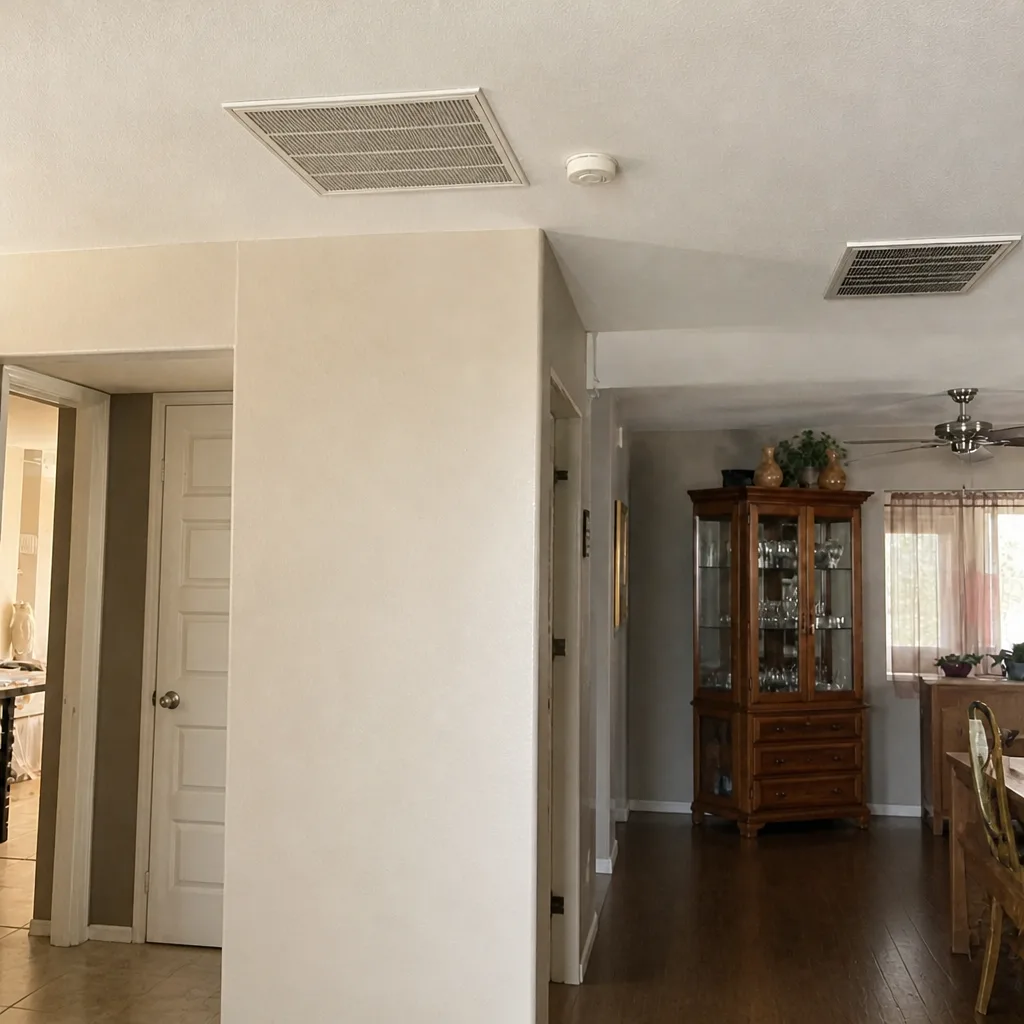 After
When to Call a Professional
Call a professional when the problem is past the surface. Concretely: dust returns to furniture within days of cleaning, airflow at the registers feels weaker than it used to, you’ve had a remodel or pest issue in the last year, you can see debris inside a register with a flashlight, you’re noticing a musty smell when the system first kicks on, or the dryer vent hasn’t been cleaned in a long time. Also call if a professional inspection is the only way to know whether the system needs repair rather than cleaning. Duct Cleaning Avondale offers free estimates in Avondale – call (866) 361-9304. We answer 24/7. Fast dispatch from 7am to 7pm, Sunday through Friday.
Frequently Asked Questions
You can clean register covers, grille faces, and the first accessible section of each duct with a shop vac, and that’s genuinely useful maintenance. You cannot clean the trunk line or the deep sections of the supply runs because a shop vac can’t generate the negative pressure required to pull debris from those lengths. Anything past the accessible section is a professional job. Call (866) 361-9304 for an exact quote on a full cleaning – estimates are free.
Duct cleaning is priced per system, not per vent, and the final price is set by a written estimate after the technician sees the layout and condition of your system. Be wary of any company that quotes a low per-vent price on the phone – that model is the reason duct cleaning has a bait-and-switch reputation. One flat price per system agreed before work starts is the honest arrangement. Call (866) 361-9304 for a free estimate.
Cheap quotes usually cover only the first accessible section of each duct, or omit the negative-air equipment that makes deep cleaning possible. The result is a cleaning that looks professional but only reaches the surface. Ask any company whether they use negative-air machines, whether the price covers the full trunk line, and whether you’ll get before-and-after photos of your own ducts. If the answer to any of those is no, the price difference isn’t a bargain. Call (866) 361-9304 for a quote that covers the actual job.
Before-and-after photos of your own duct system are the standard. Any company that cleans ducts should be able to show you what came out of your system, not a stock photo. Ask for photos at the estimate stage so you know the expectation before you book. Call (866) 361-9304 for an estimate that includes before-and-after documentation.
Most Avondale homes do well with a professional cleaning every few years, with filter changes and register cleaning in between. Homes with pets, recent remodeling, or allergy concerns may benefit from a shorter cycle, and homes with a suspected leak in the system should be inspected sooner rather than later. Call (866) 361-9304 to talk through your specific situation.
DIY is a reasonable maintenance step when your ducts are only mildly dusty and you’re keeping up with the surface, and it’s a genuinely bad choice when you’re trying to solve a dust, airflow, or air-quality problem that originates deeper in the system. If you’re unsure which category you’re in, a free estimate is the cheapest way to find out. Call (866) 361-9304 for a professional assessment.
The Bottom Line
DIY duct cleaning has a real but limited scope: registers, grilles, accessible plenum surfaces, filter changes, and the first stretch of duct near each vent. That’s genuine maintenance, and there’s no reason not to do it. The limit isn’t effort. It’s physics. Without the volume of moving air and negative pressure professional equipment produces, debris ten feet deep in the trunk line simply stays there. Avondale homes deal with the same dust accumulation as anywhere in the valley, plus a long cooling season that keeps the whole system active for months. If your problem is surface dust, DIY will help. If the problem is deeper – and most persistent dust or airflow issues are – professional cleaning is the only method that reaches it. And when the inspection turns up a leak or a disconnected run, having a company that also does duct repair means you’re not opening a second contractor search. A whole-system price agreed before work starts, before-and-after photos of your own ducts, and one visit that can find and fix. That’s what a professional duct cleaning should look like.
Ready to find out what’s actually in your ducts? Call Duct Cleaning Avondale at (866) 361-9304 for a free estimate. We answer 24/7. Fast dispatch from 7am to 7pm, Sunday through Friday, and we’re closed on Saturday. Learn more about Duct Cleaning Avondale and what a professional visit covers.
Written by the team at Duct Cleaning Avondale.