
Last updated November 16, 2026
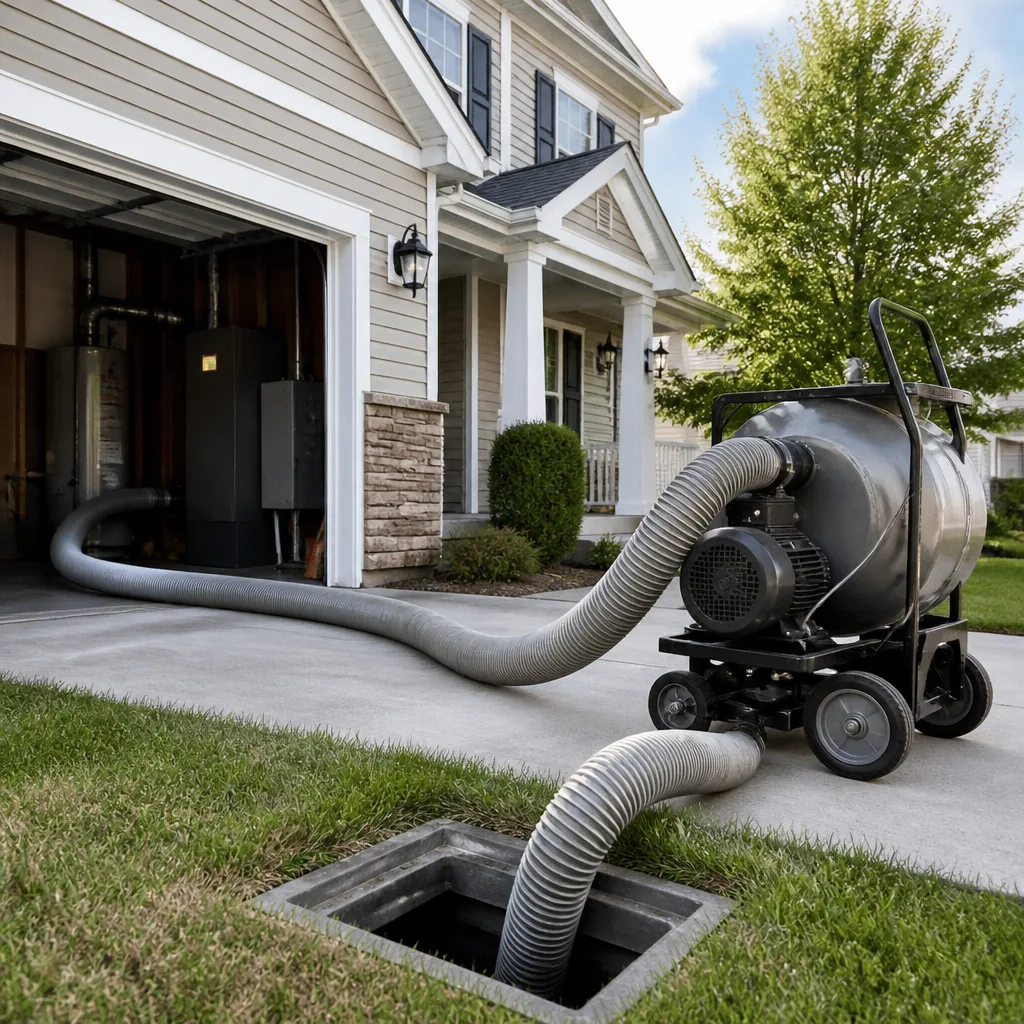 Whole-home duct cleaning
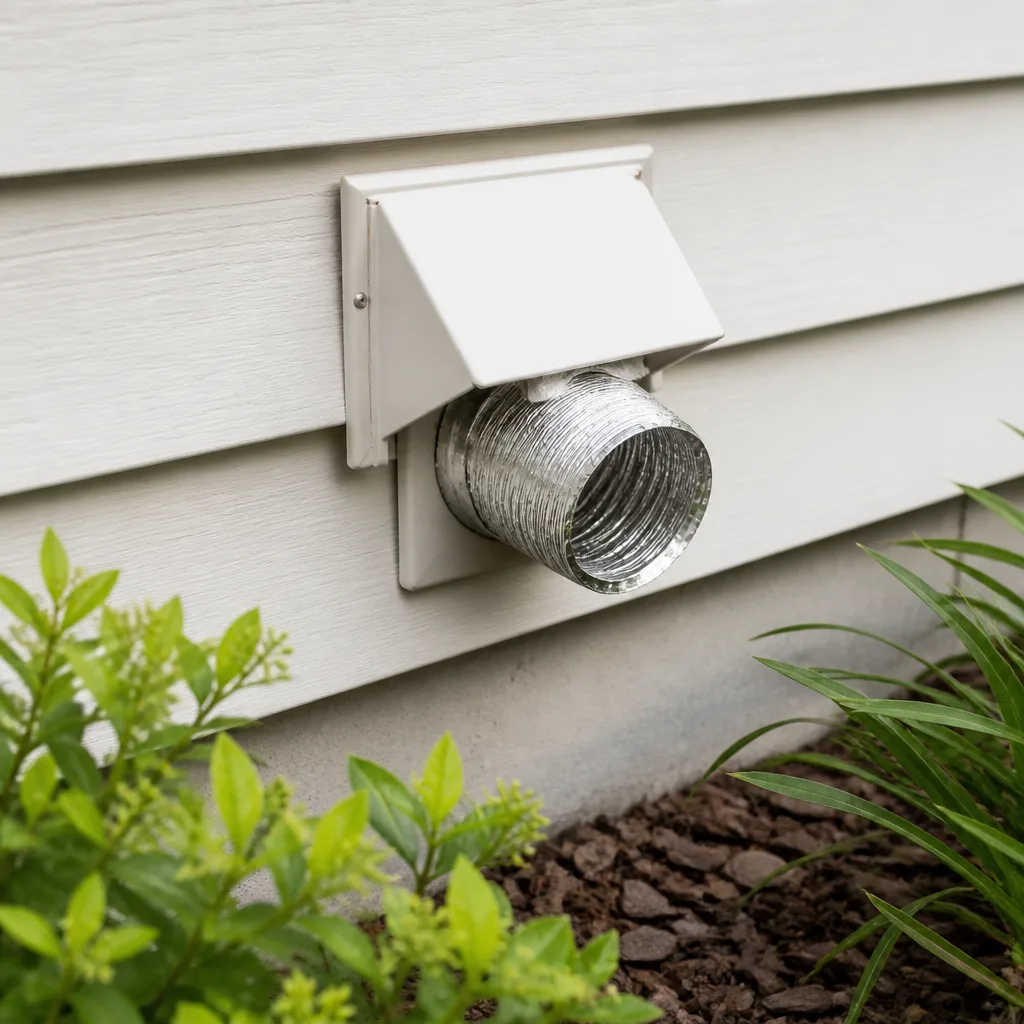 Dryer vent cleaning
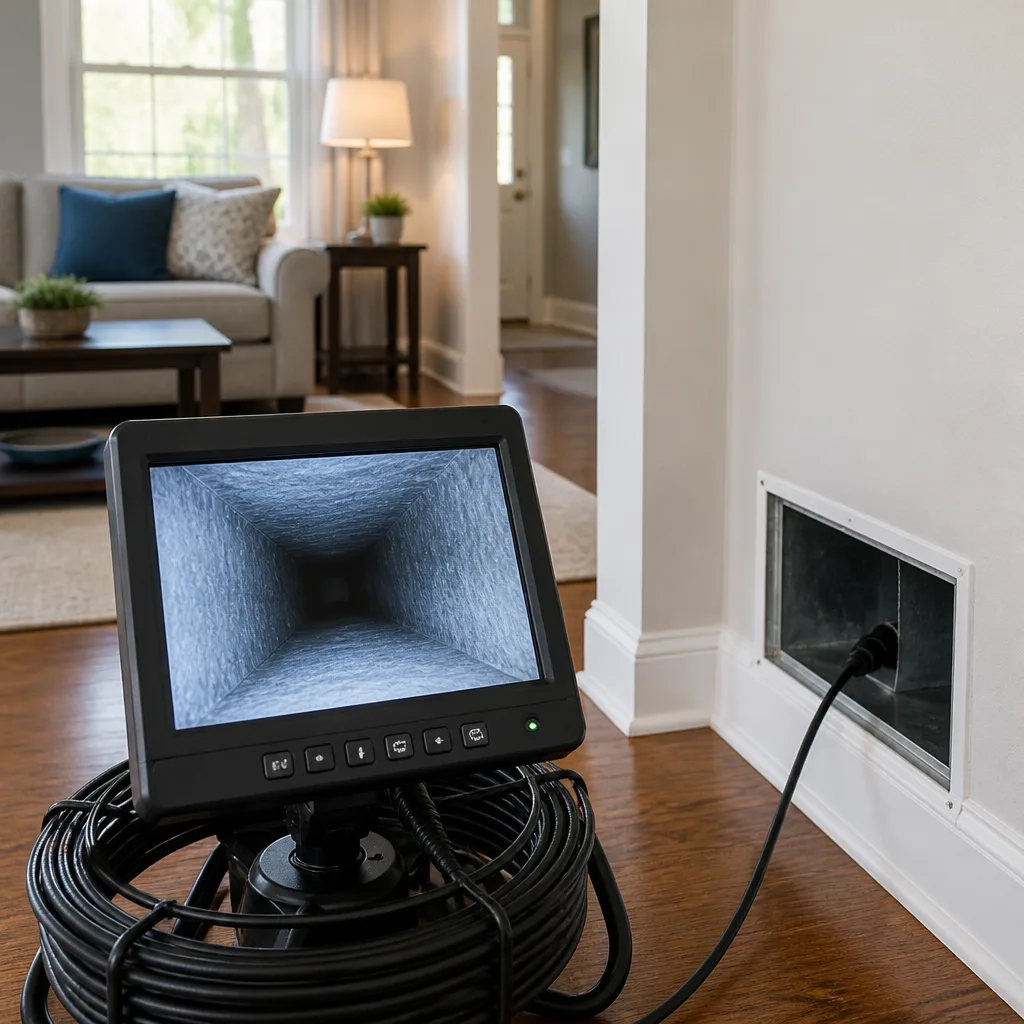 Camera inspection
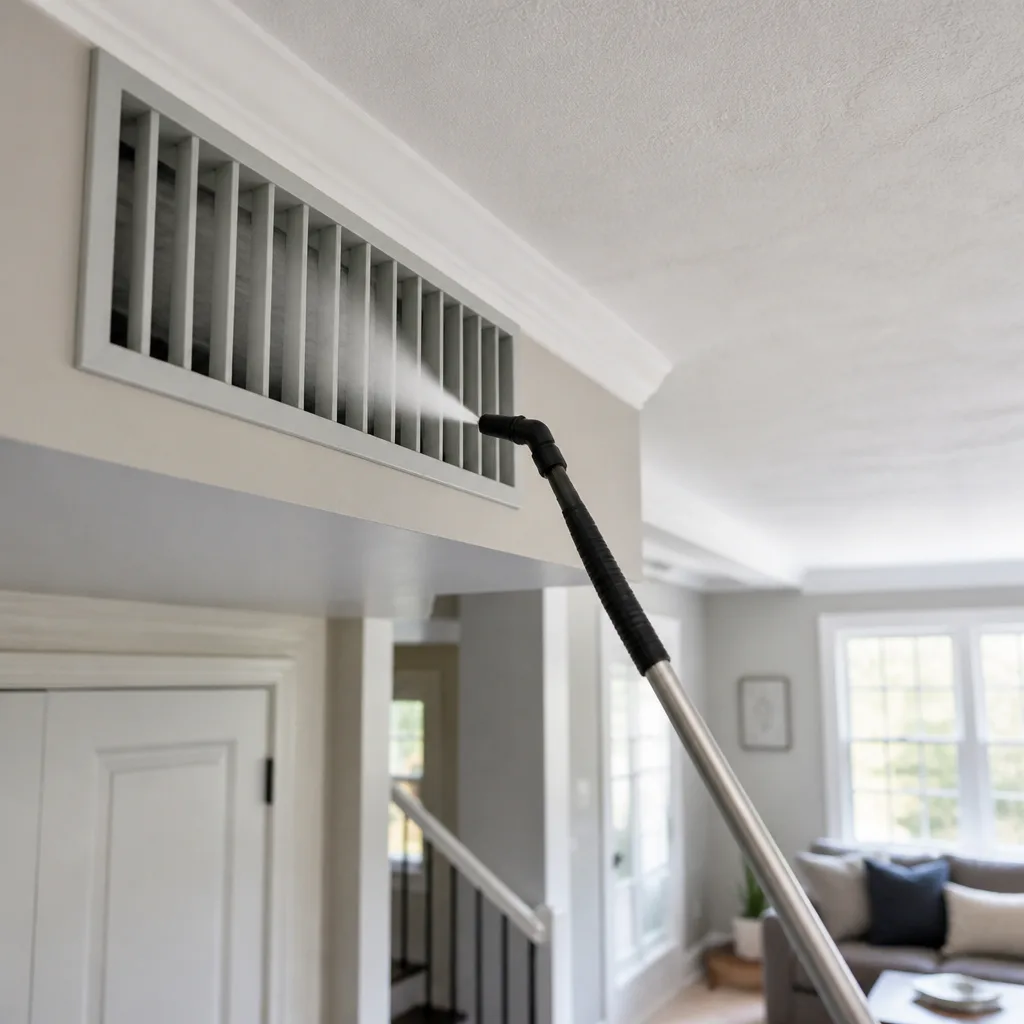 Sanitizing & deodorizing
Whole-system duct and dryer vent check with before-and-after photos - you see exactly what came out of your vents
That "$99 whole-house special" is a bait ad - the real number appears once they are in your hallway, or the "clean" is a shop-vac at the register. We photograph the inside of your ducts before and after instead.
How to Hire an Air Duct Cleaning Contractor in Avondale: A Step-by-Step Guide
A $49 whole-house duct cleaning offer isn’t a deal. It’s a business model built on arriving under-equipped and upselling mold treatments, coatings and sealants once the equipment is already in your driveway. Avondale homeowners get pitched this constantly, and the usual advice (“get three quotes and pick a middle price”) does nothing to protect them, because all three quotes may come from the same type of operator. This guide gives you a different framework. You’ll learn the equipment questions to ask before booking, how to tell a duct specialist from a generalist using cleaning as a sales hook, and how to put the job scope in writing so there are no surprises at the door.
Quick Answer
To hire an air duct cleaning contractor in Avondale, verify three things before you book: the equipment (a truck-mounted or high-CFM portable vacuum with a rotary brush system, not a shop vac), the scope in writing (which components get cleaned and how many access points), and whether the company is a duct specialist or an HVAC generalist using cleaning as a lead-in to equipment sales. A credible contractor will inspect before quoting, put one flat price per system in writing, and never promise mold remediation or chemical coatings as part of a cleaning.
Styles & brands we work with
- Whole-home duct cleaning
- Dryer vent cleaning
- Camera inspection
- Sanitizing & deodorizing
Table of Contents
- The Equipment Questions to Ask Before You Book
- Specialist vs. Generalist: How to Tell the Difference
- What a Legitimate Quote Looks Like
- What NADCA Membership Actually Verifies (and What It Doesn’t)
- How to Put the Job Scope in Writing
- What the Post-Job Walkthrough Should Cover
- Why Avondale Homes Need a Different Vetting Approach
- Red Flags in the Hiring Process
The Equipment Questions to Ask Before You Book
Equipment is the single most reliable signal of a legitimate duct cleaning operation, because real duct equipment is expensive and hard to fake. Ask these questions on the phone, before anyone comes out. A credible contractor answers them in plain terms. A bait-and-switch operator deflects, promises “we bring the best” or quotes a price without knowing your home.
Here’s what to ask, and what a good answer sounds like:
- Is the vacuum truck-mounted or portable? A good answer is a specific model or a clear description. Truck-mounted units pull far more air than a portable, which matters on a long duct run. Portable units are fine for tight-access jobs, but the operator should say which they use and why. “We bring a small portable” with no further detail on a 2,500-square-foot house is a warning sign.
- What’s the CFM rating? CFM (cubic feet per minute) is airflow. A professional duct vacuum runs in the thousands of CFM. A shop vac runs in the hundreds. Ask for the number. If they can’t answer, they likely don’t own one.
- What brush system do you use? Rotary brush systems are the industry standard for agitating debris inside the duct so the vacuum can capture it. Look for named professional systems. We run Rotobrush and Nikro equipment, for example, plus Abatement Technologies negative-air machines when a job needs HEPA-level containment.
- What happens with the debris once it’s loose? It should be captured in a sealed collection system, not blown into the living space. Ask directly: “Will there be dust in my house?” A confident “there shouldn’t be, and here’s why” is the right answer.
- What about the filtration equipment attached to the system? If you have a Honeywell or Aprilaire filter or air cleaner, a full-scope contractor should be able to service it or at least tell you the condition it’s in. A cleaning-only operator will skip it entirely.
Those answers matter more than any single price. The equipment is what determines whether the job actually cleans anything, or whether you paid for a brush to be waved around inside your ducts.
Specialist vs. Generalist: How to Tell the Difference
Most air duct cleaning in the Avondale market is performed by HVAC companies that added it as a service line. That matters because their business model is usually equipment installation and replacement. Duct cleaning is a low-margin lead generator that gets a technician into your attic, where he has a natural reason to recommend a new air handler, a UV light, or “sealing” work. Not every HVAC company works this way, but enough do that you should know the pattern before you book.
A duct specialist is a different animal. Cleaning, drying vent clearing and duct repair are the whole business, not add-ons. That affects what happens when the technician finds a gap in a duct run or a crushed flexible duct behind a knee wall. A generalist either ignores it or upsells you to a larger HVAC project. A specialist fixes it, because duct repair is one of their core services and there’s no incentive to convert it into something bigger.
How to tell them apart in five minutes:
- Scope. Ask what services they offer. “Cleaning, dryer vent, and duct repair” is a specialist. “Cleaning, HVAC installs, maintenance plans, plumbing and electrical” is a generalist with a duct cleaning line.
- What they say when you ask about repair. A specialist says yes, they handle it. A generalist says they’ll “recommend a contractor” or quote you a separate service.
- Whether the price is per vent or per system. Per-vent pricing ($10 per vent, $15 per vent) is a generalist-and-bait model, because the count changes once they’re inside. A system price is a system price.
- Who shows up. Duct-dedicated technicians trained on duct systems, or a general HVAC tech who also does ducts on Tuesdays.
For homeowners who want to dig into the difference between the services themselves, our air duct cleaning page covers what a full-system clean actually addresses.
What a Legitimate Quote Looks Like
A legitimate quote happens after the contractor knows your home. That’s the simple test. If a company gives you a firm number over the phone without asking your square footage, the number of systems, or the number of returns, they aren’t quoting your job. They’re quoting a sales script. The real price comes later, when they’re standing in your hallway.
Here’s what a credible quote process looks like step by step:
- They ask about the home first. Square footage, number of HVAC systems, number of supply and return registers, whether there’s flexible duct, and whether you have pets. All of that affects scope.
- They inspect on arrival, before quoting. The technician should look at the air handler, the plenum, a sample of registers and any visible duct runs, and note the condition with photos or a walkthrough.
- They give one flat price for the whole system. Not a per-vent number, not a teaser rate, and not a price that “depends on what we find in there.” If they find a damaged section, they tell you what it costs to repair and you decide, before work starts.
- They write it down. A written estimate that lists the components included (supply and return trunks, registers, main plenum, air handler cabinet if applicable), the equipment to be used and the access points required. The written estimate sets the final price. It doesn’t move because of what the tech found mid-job.
That last point is the one that separates a real contractor from a bait-and-switch. When we’ve been called to fix another company’s work, the pattern is almost always the same: a low coupon price that grew by hundreds of dollars once the “mold treatment” and “duct coating” were added. Those add-ons should never be presented as part of a standard cleaning. A reputable contractor tells you what the cleaning includes and stops there.
What NADCA Membership Actually Verifies (and What It Doesn’t)
NADCA is the National Air Duct Cleaners Association, and membership is one legitimate signal that a contractor takes the trade seriously. It usually means they’ve agreed to a code of ethics, keep up with industry standards and have access to training resources. It does not mean the contractor has been audited by NADCA for equipment quality, that they can’t run high-pressure sales tactics, or that the price you’re quoted is fair. Use it as one check among several, not a shortcut to picking a name.
What NADCA membership does not tell you:
- That the technician who shows up actually owns a truck-mounted vacuum with a rotary brush system. Membership belongs to the business, not the crew.
- That the price you’re quoted is the price you’ll pay. Bait-and-switch operators can list the same credentials as anyone else.
- That duct repair is in scope. Many NADCA members do cleaning only and refer repair work to someone else, which means you may need a second contractor anyway if a gap or damaged run turns up.
- That the crew is trained on your specific system. Flexible duct in an Avondale attic crawls differently from rigid metal duct, and experience with both matters.
Treat NADCA membership the way you’d treat a state contractor license: necessary to check, not sufficient to decide. It’s one box to tick in a longer list, which brings us to Avondale-area duct repair scope.
How to Put the Job Scope in Writing
Vague scope is where most duct cleaning complaints come from, and it’s preventable with a single page of paperwork. Before any technician starts work, ask for a written scope that lists exactly what’s included. The document doesn’t need to be elaborate: a written estimate that spells out the components, the equipment and the number of access points required, with a final line stating the total price. If a company can’t provide that, they aren’t the one to hire.
Your written scope should answer these questions:
- Which components are included? Supply and return registers (how many), trunk lines, branch runs, the main plenum, and whether the air handler cabinet is included. If it isn’t, get that in writing too.
- How many access points will be cut, and who patches them? Some duct systems need a small cut to insert the rotary brush. Confirm with the contractor how many and whether they seal the cuts when they finish.
- Is the vacuum contained? Specifically for homes where anyone has asthma or allergies, ask whether the crew runs a negative-air machine so no dust escapes into the living space. Abatement Technologies units are common on these jobs.
- What’s the contingency if damage is found? Ask direct: “If you find a gap, a crushed run, or a disconnected joint, what happens?” A specialist says they’ll photograph it, quote the repair and let you decide. A generalist may say “we’ll recommend a contractor” or try to fold it into a larger HVAC pitch.
- What’s the payment structure? Payment after the walkthrough, not before. That’s standard.
Get this in writing and you’ve eliminated the biggest source of disputes. The quote process itself becomes a filter: the operators you don’t want will balk at putting scope in writing.
What the Post-Job Walkthrough Should Cover
The job isn’t finished when the equipment shuts off. It’s finished after a walkthrough, where the technician shows you what was cleaned and what was found. Insist on it. Skip it and you have no way to verify the work was actually done in the areas you paid for, which is the number one complaint about cheap duct cleaning.
A proper walkthrough covers:
- Before-and-after photos of your own ducts. Not stock images. Photos taken inside your system, at the registers, at the plenum. Ask to see them on the technician’s phone before you pay.
- The register-by-register check. Walk to each register with the technician. Confirm airflow and look for visible debris. If you have a specific register that was blowing weak before, check it now.
- Condition notes for the whole system. Any gaps, loose joints or crushed flexible duct should be flagged with a photo and a clear explanation. If they didn’t find anything, they should say so plainly.
- Filter check. If you have a Honeywell or Aprilaire filter, the technician should tell you the condition and whether it needs service. A Guardsman-style return filter should get a look too. Replacing or servicing a filter on the same visit is normal scope.
- Dryer vent status, if it was part of the job. A dryer vent cleaning isn’t finished until the technician confirms the vent line is clear and the exterior flap moves freely when the dryer runs.
Any contractor who resists a walkthrough, or “doesn’t have time” to show you photos, is telling you something. Take it seriously.
If you want to see how our process handles this end to end, the Duct Cleaning Avondale overview covers what each visit includes.
Why Avondale Homes Need a Different Vetting Approach
Avondale sits in the West Valley, which means duct systems here deal with a specific set of stresses that other markets don’t. Long stretches of dry heat push dust and fine particulate into return ducts, and the temperature swings between a 110-degree attic and a 76-degree living space put stress on flexible duct connections over time. In tract-built neighborhoods across Avondale, duct runs often pass through attics where the flexible duct is loosely strapped or marginally sealed. Those runs lose air into the attic, which shows up as weak airflow at the registers and higher energy bills.
The practical effect for hiring is this: a duct clean without a repair inspection is half a job. In Avondale, the odds that a technician will find a loose joint or crushed section are significant, and you want the person holding the vacuum to be the same one who can seal it, not a second contractor booked for a week later at a second price.
Neighborhood-level context matters too. In the older parts of Avondale near the historic downtown corridor, duct systems are sometimes retrofits of varying quality, and access points require a little more thought than a new build. In newer subdivisions off the loop, the systems are more uniform but often have long runs where per-vent bait pricing gets expensive fast. Either way, the vetting questions don’t change.
One more Avondale reality: many homes here have a dryer vent run through the garage or an interior closet to an exterior wall. That run is one of the most common fire risks in a home, and it needs to be part of any duct service visit rather than a last-minute add-on. Our dryer vent cleaning page explains what a proper dryer vent clean involves.
Red Flags in the Hiring Process
Some warning signs are specific to duct cleaning. They come up repeatedly, and knowing them saves both money and frustration.
- Price quoted without knowing the home. If you haven’t been asked your square footage, number of systems, or number of registers, you haven’t been quoted. You’ve been warmed up.
- Per-vent pricing on a system that requires cutting access points. “It’s $15 per vent, but there may be an access charge.” That charge is where the bait-and-switch happens.
- Mold treatment or duct coating offered as part of cleaning. Unless a licensed remediation contractor diagnoses a mold problem first, mold treatment should not be part of a standard duct cleaning. If it’s being presented as routine, walk away.
- No access-point disclosure. A real contractor tells you how many cuts the job needs and who patches them. Vague language about “opening things up” is not disclosure.
- No photos at the end. If a company can’t show you photos taken inside your own ducts before and after, you have no way to know the work was done.
- Same-day upsell to HVAC replacement. “Your system is on its last legs” is a different sales pitch than duct cleaning, and if it arrives right after the cleaning starts, it’s not a diagnosis. It’s the reason the cleaning was cheap.
- Pressure to pay before the walkthrough. There’s no good reason to pay before you’ve seen what was cleaned.
Common Mistakes to Avoid
- Treating the low coupon as the starting point for comparison. The $49 or $99 whole-house offer isn’t a real bid. It’s a teaser. Compare whole-system prices from contractors using professional equipment and written scope, not teaser rates from anyone.
- Hiring an HVAC company because “they’re already in the house.” Convenience isn’t a qualification. A generalist HVAC tech doing ducts on the side isn’t necessarily trained on the duct system itself, and their incentive to convert the visit into a larger HVAC sale is real.
- Asking for three quotes without vetting the category first. Three quotes from three bait-and-switch operators cost you time and provide no signal. Vet the category first, then get quotes from the survivors.
- Skipping the equipment questions because you’re not sure what CFM means. Ask anyway. The contractor’s ability to answer clearly tells you what you need to know, even if the technical terminology is unfamiliar.
- Not asking about duct repair in the same visit. In Avondale, a damaged or disconnected run is common enough that you want the cleaner to be the repairer. Otherwise you’re booking two contractors.
- Ignoring the dryer vent. A missed dryer vent clean is a fire risk, not just an efficiency issue. If the contractor doesn’t inspect it, ask why.
- Accepting a verbal scope. Whatever’s quoted verbally isn’t enforceable. Get the scope, components and price in writing before work starts.
See the difference
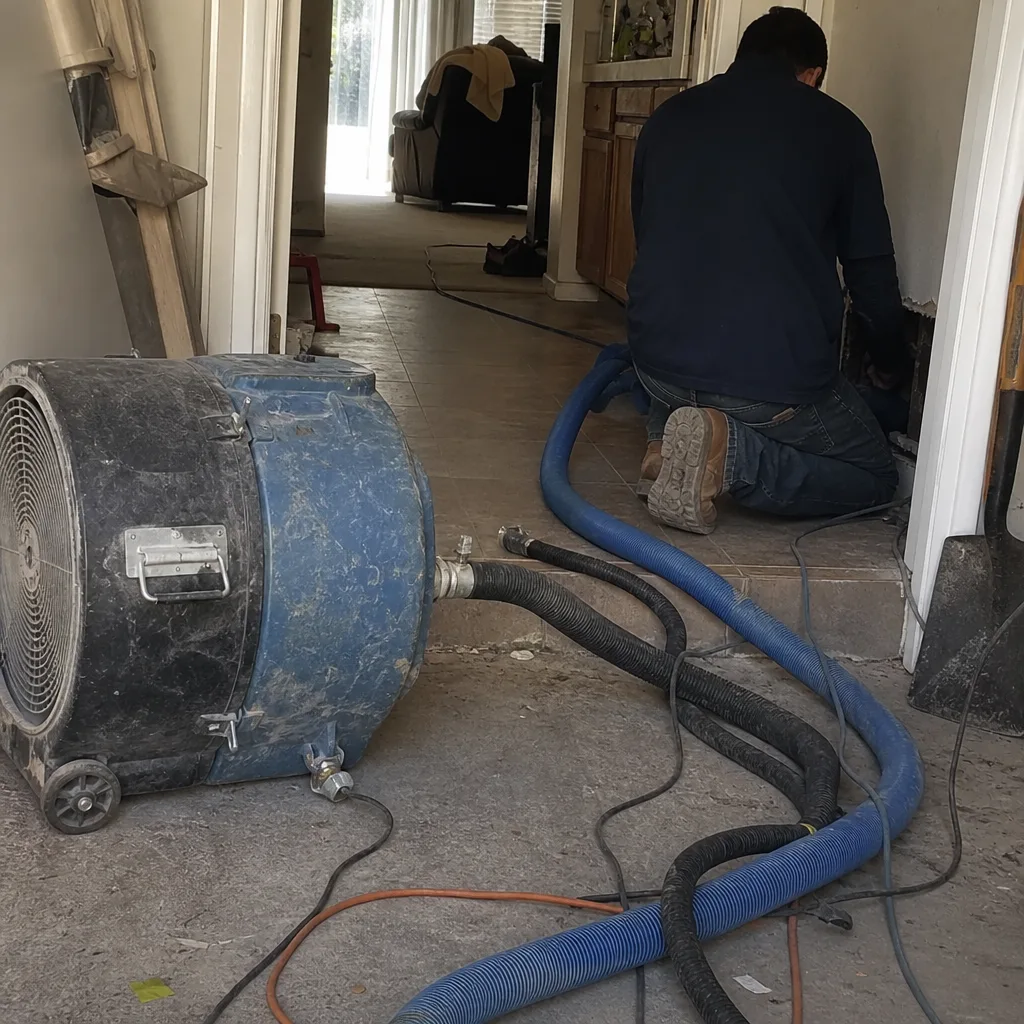 Before
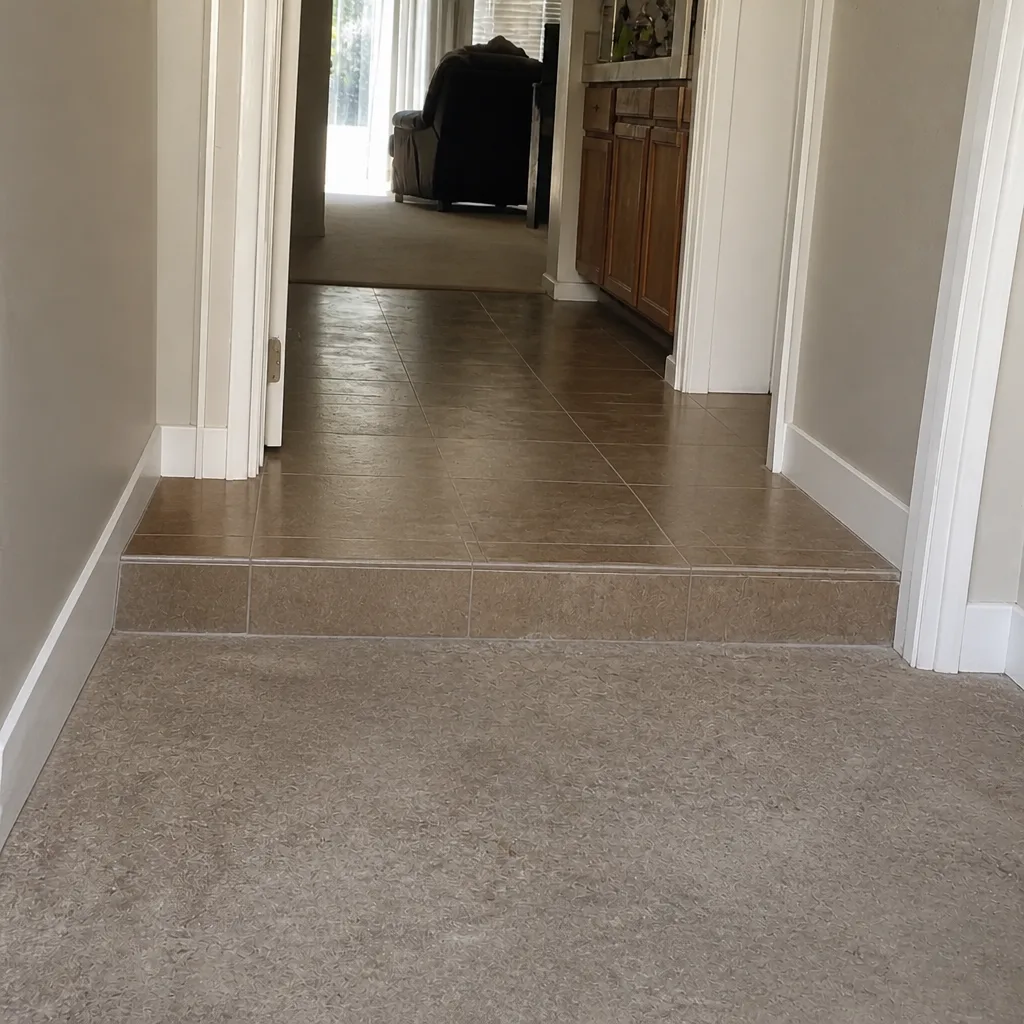 After
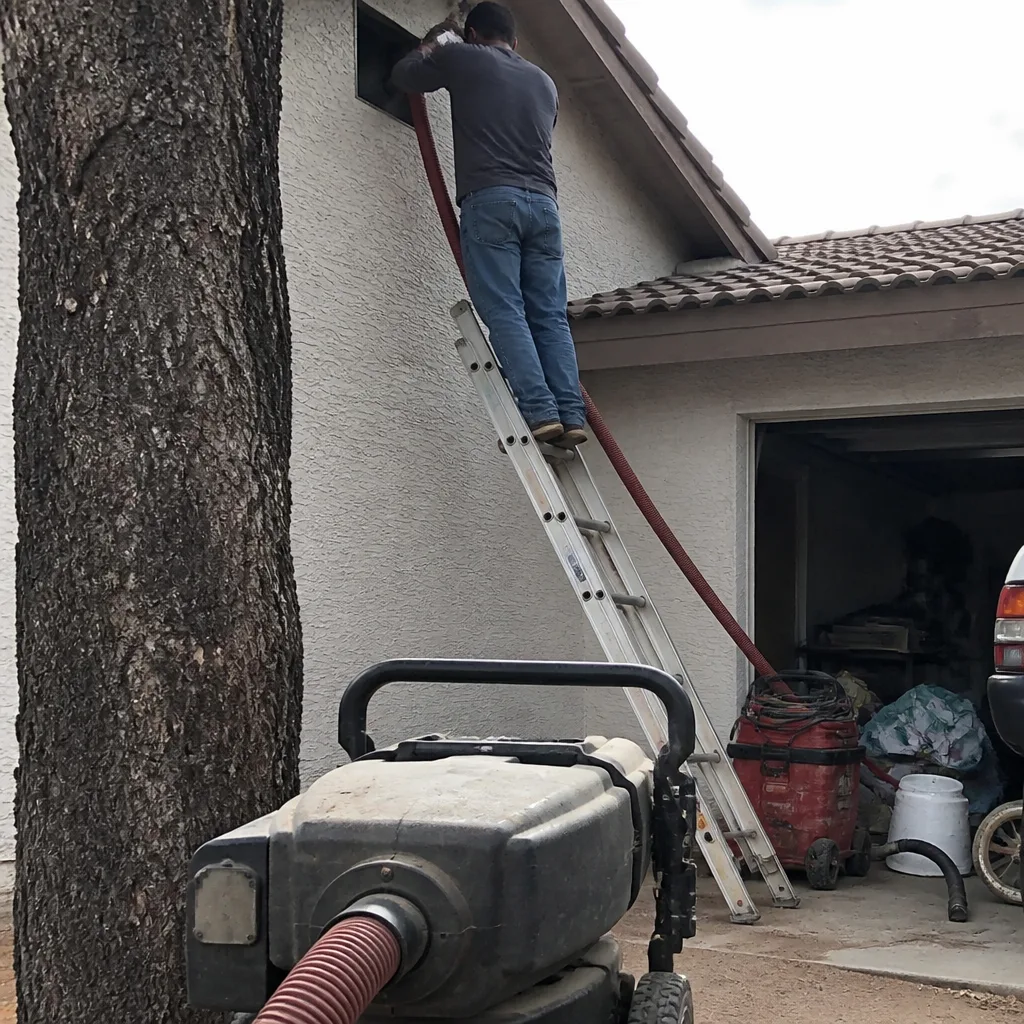 Before
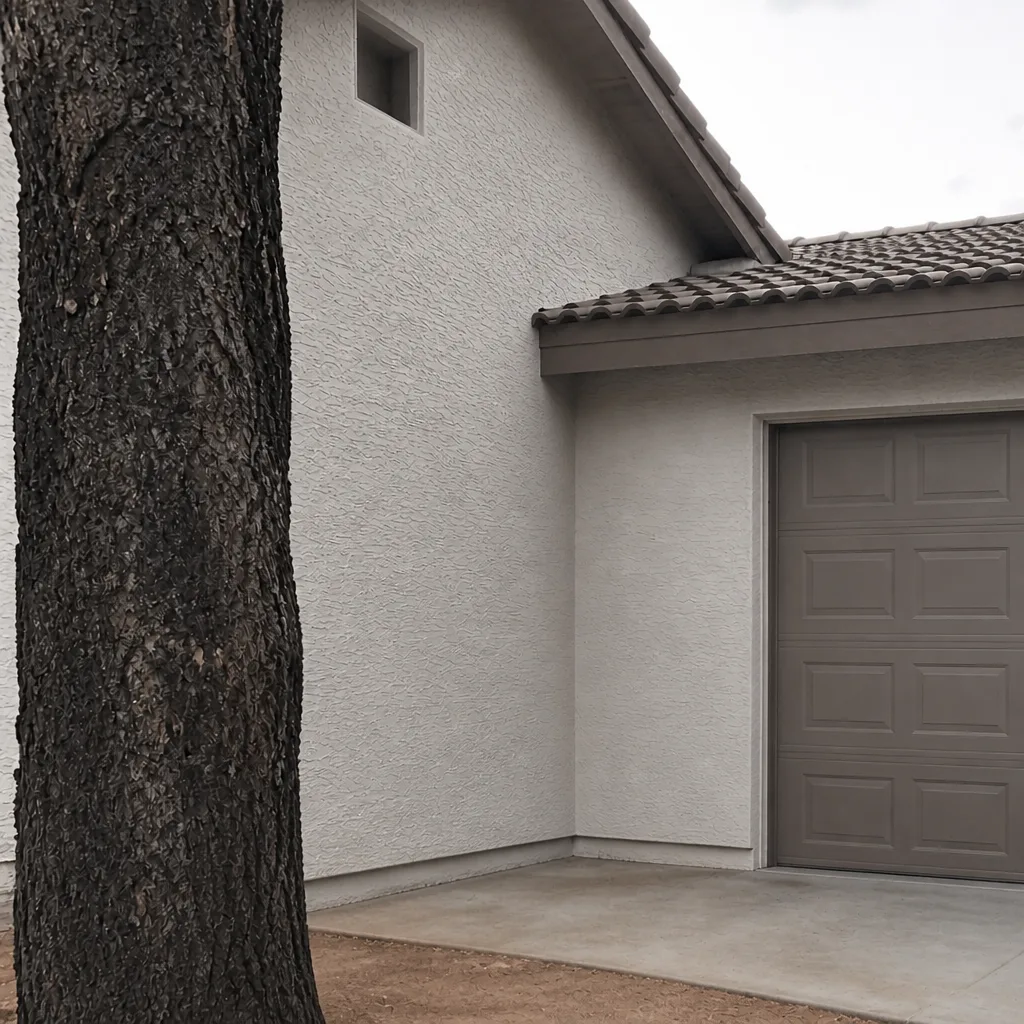 After
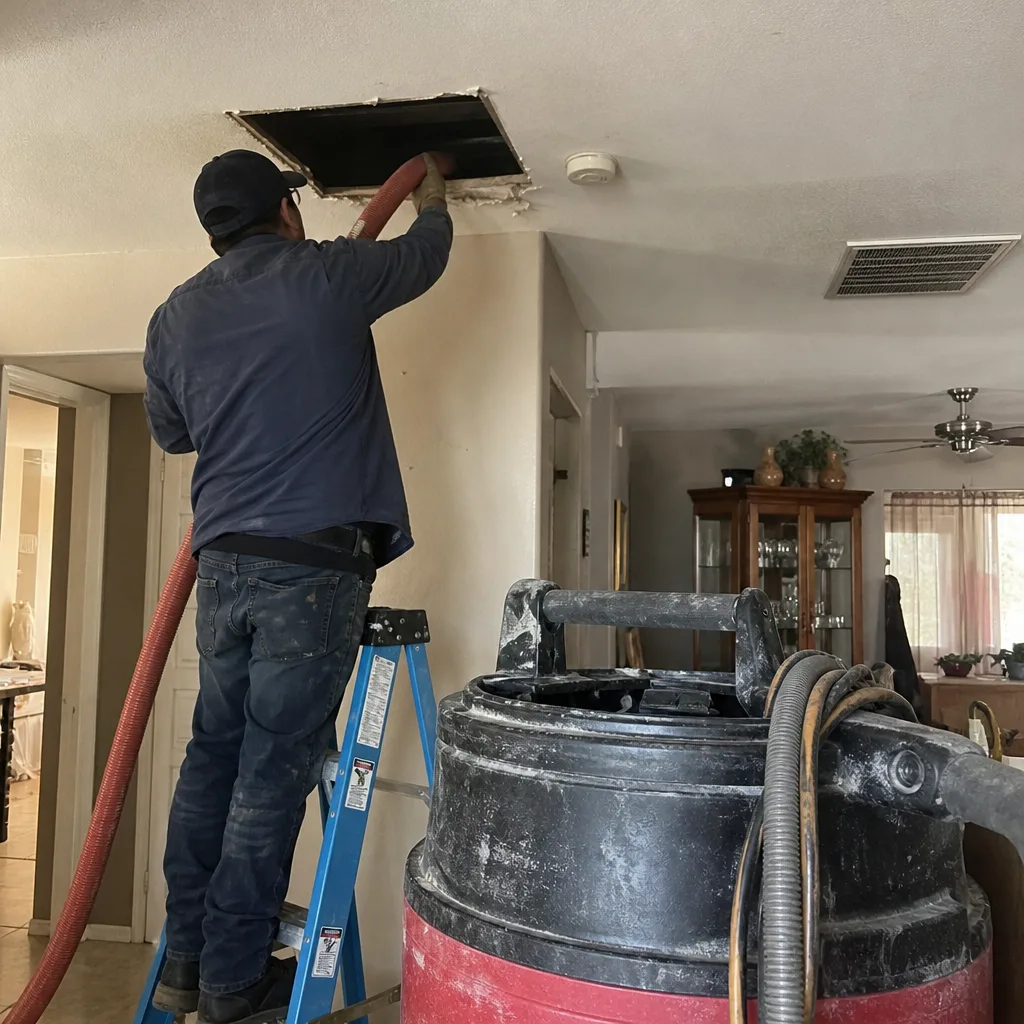 Before
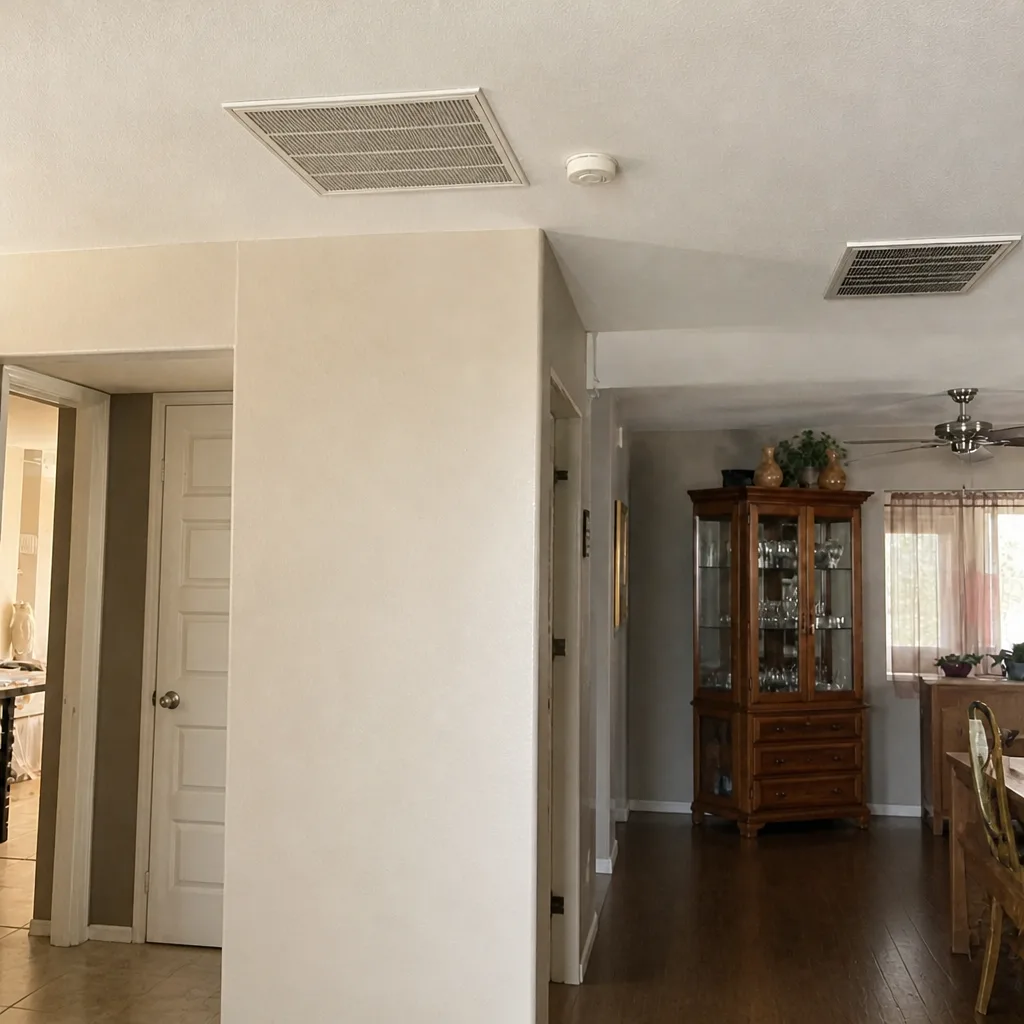 After
When to Call a Professional
Some duct issues are obvious from the living room. Visible dust blowing from a register when the system kicks on, weak airflow in one section of the house while the rest stays comfortable, or a pet hair smell that won’t clear after filter changes are all signs the duct system needs a professional look. Avondale homes running through long dry stretches often build up fine dust in return ducts that a consumer filter can’t catch, and that dust doesn’t clean itself. If your dryer takes two cycles to dry a load, the vent is likely restricted and that’s a professional job, not a homeowner task. If you notice a loose duct or a gap in the attic, don’t tape it yourself. Call a specialist. Duct Cleaning Avondale offers free estimates in Avondale. Call (866) 361-9304. We answer 24/7. Fast dispatch from 7am to 7pm, Sunday through Friday. Our technicians have up to 9 years of experience with duct-dedicated work.
Frequently Asked Questions
Verify three things before you book: the equipment (a truck-mounted or high-CFM portable vacuum with a rotary brush system), the written scope (which components get cleaned, how many access points, who patches them), and whether the company is a duct specialist or an HVAC generalist using cleaning as a lead-in to equipment sales. Ask the equipment questions by phone, insist on one flat price per system in writing, and require before-and-after photos of your own ducts at the walkthrough. Call (866) 361-9304 for a free estimate. We answer 24/7.
Ask whether the vacuum is truck-mounted or portable and the CFM rating, what brush system they use, how debris is contained (negative-air units if anyone in the home has asthma), what filtration equipment attached to the system will be serviced, and how many access points the job needs. A credible contractor answers each one specifically. If they say “we bring the best equipment” without a model or number, that’s a signal to look elsewhere. Call (866) 361-9304 for an exact quote.
No. NADCA membership is one legitimate signal of trade seriousness, but it doesn’t verify the specific crew, the equipment on the truck, or the pricing model. A bait-and-switch operator can belong to NADCA the same as anyone. Use it as one box to tick, not a shortcut. Pair it with the equipment questions and the written scope. Call (866) 361-9304 for a free estimate in Avondale.
Most whole-home duct cleaning in Avondale runs in the low hundreds of dollars for a single system, and higher for larger homes or multi-system properties, with repair work priced separately if damage is found. That’s a wide range on purpose: a real quote depends on square footage, number of systems and access points, and should be a written flat price per system, not a per-vent number. Call (866) 361-9304 for an exact quote. Estimates are free.
Because the cheap number isn’t the price of the job. It’s the price of getting a technician inside the house, where mold treatments, coatings and access fees get added before the work is done. The business model requires the upsell. A written flat price per system agreed before work starts eliminates the surprise. Call (866) 361-9304 to see what a flat price looks like for your home.
Before-and-after photos of your own ducts, checked at the walkthrough before you pay. Walk the registers with the technician, confirm airflow, and look at the plenum and any flagged damage together. If a company can’t show you photos taken inside your system on the day of the job, there’s no way to verify anything. Call (866) 361-9304 for a free estimate with the full walkthrough included.
The Bottom Line
Hiring a duct cleaner in Avondale isn’t about finding the lowest quote. It’s about verifying equipment, scope and specialist status before anyone comes to the house. Ask the CFM and brush-system questions. Confirm the company does cleaning, dryer vents and duct repair as a specialty, not as a sideline. Get one flat price per system in writing, with components and access points listed, and require before-and-after photos at the walkthrough. Skip those checks and you’re betting the price you were quoted is the price you’ll pay. Get them right and the job is uneventful, which is exactly what you want from a duct service.
When you’re ready to talk through your home, call (866) 361-9304 for a free estimate. We answer 24/7. Fast dispatch from 7am to 7pm, Sunday through Friday. One flat price per system, agreed before work starts, with before-and-after photos of your own ducts at the end.
Written by the team at Duct Cleaning Avondale.