
Last updated November 16, 2026
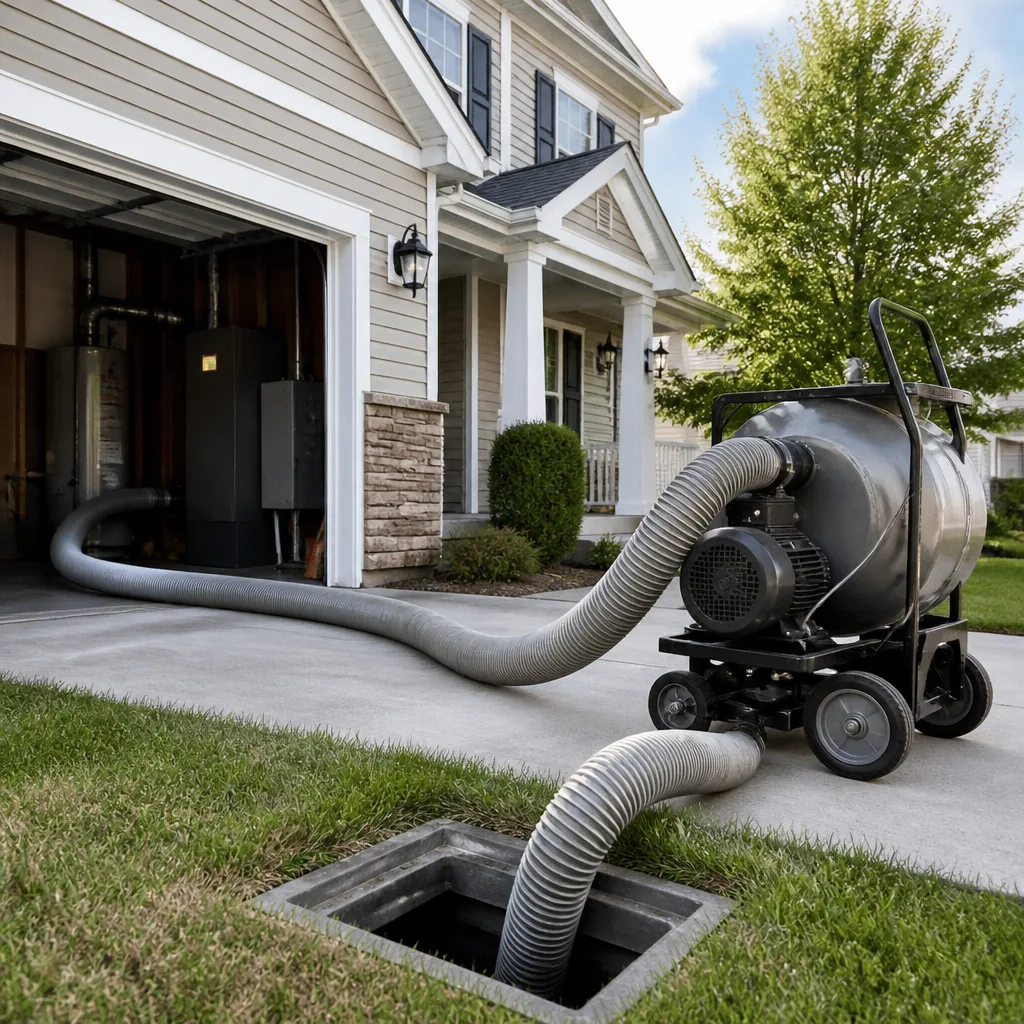 Whole-home duct cleaning
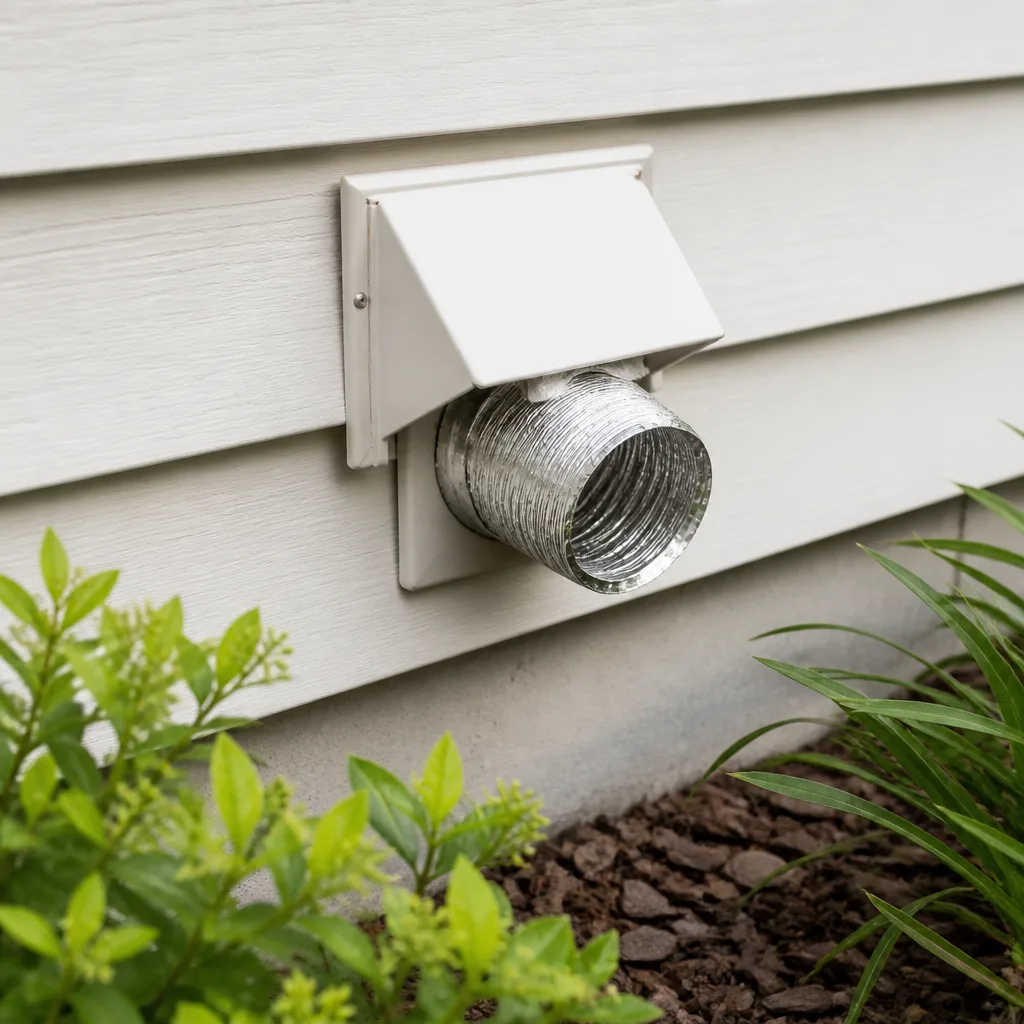 Dryer vent cleaning
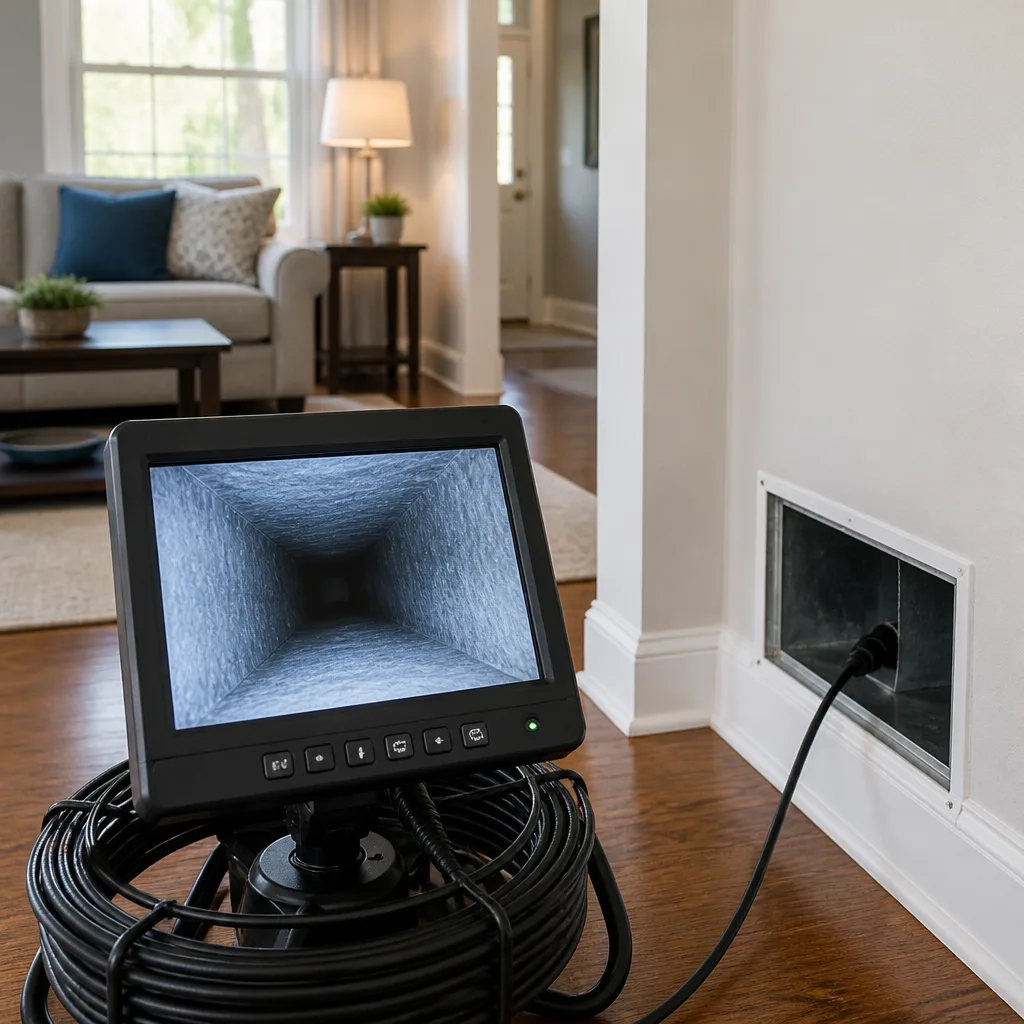 Camera inspection
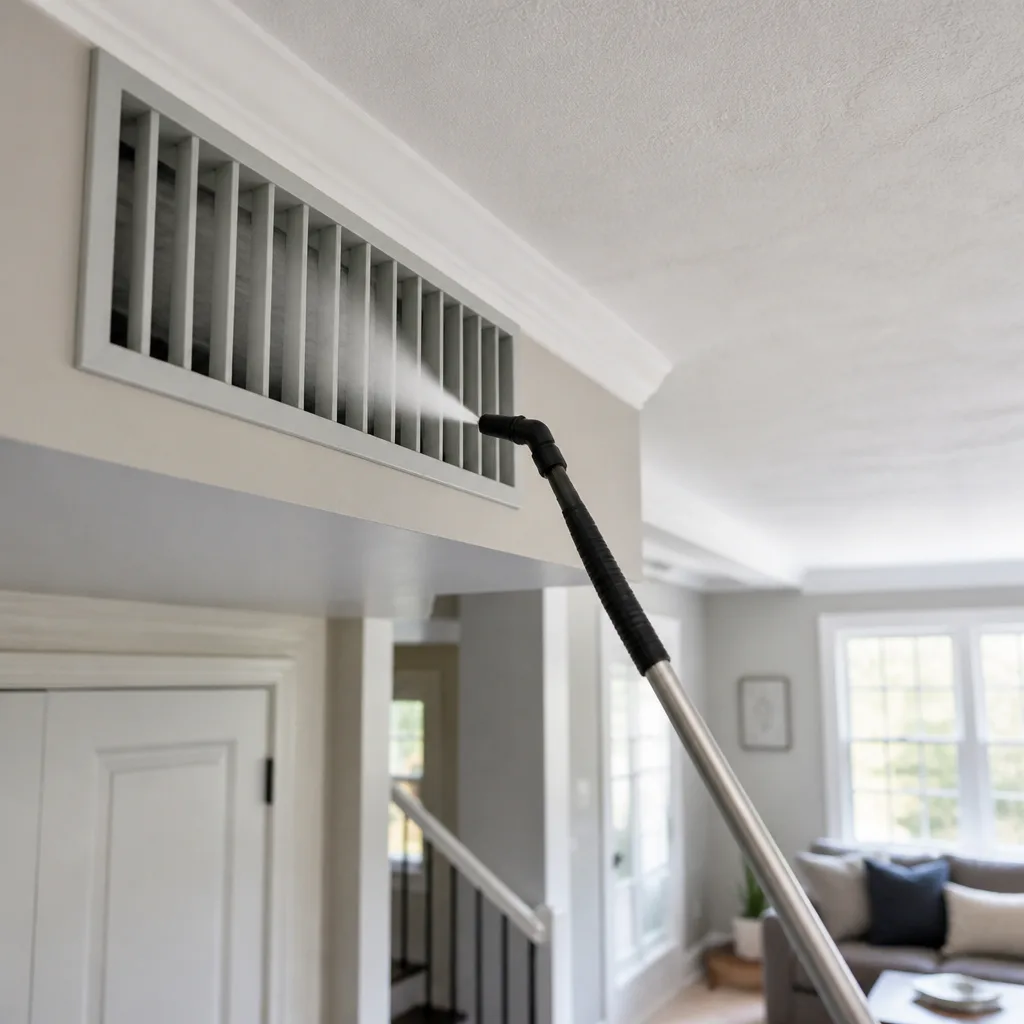 Sanitizing & deodorizing
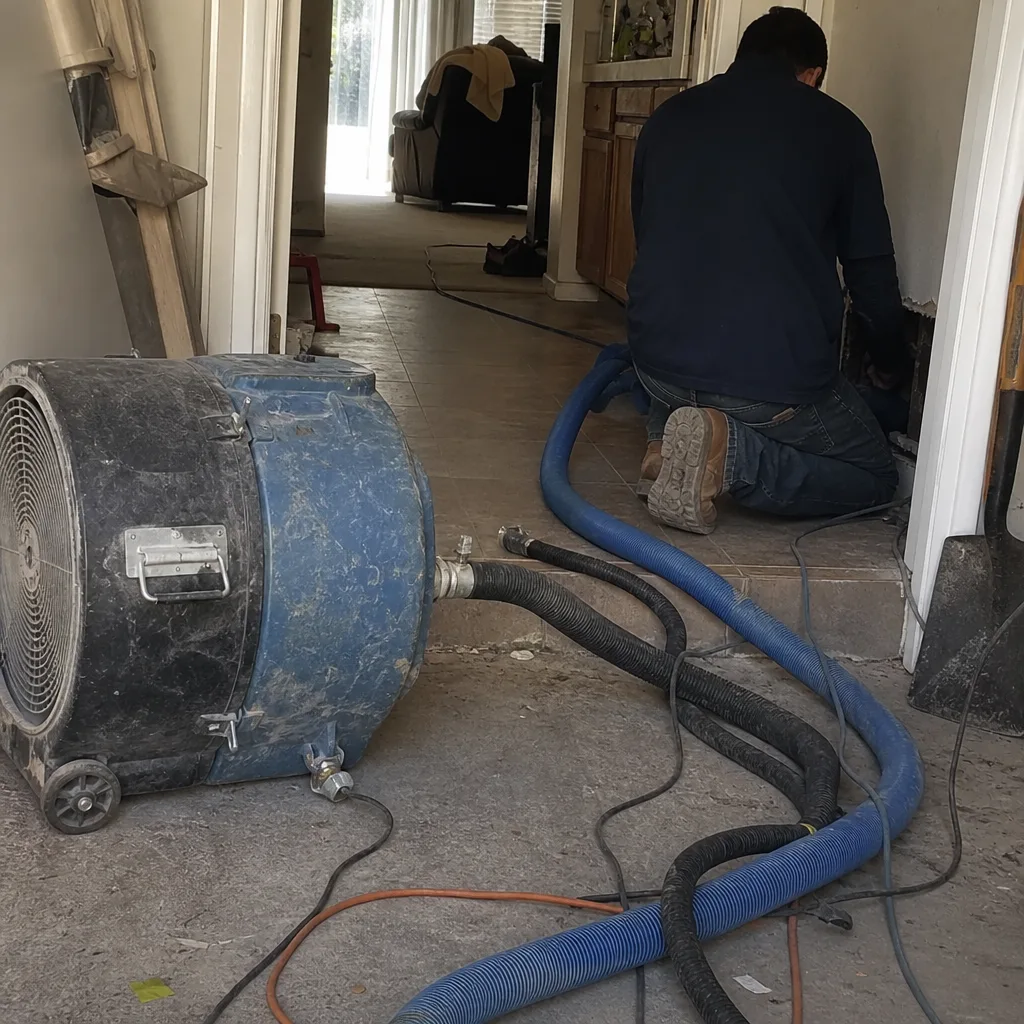
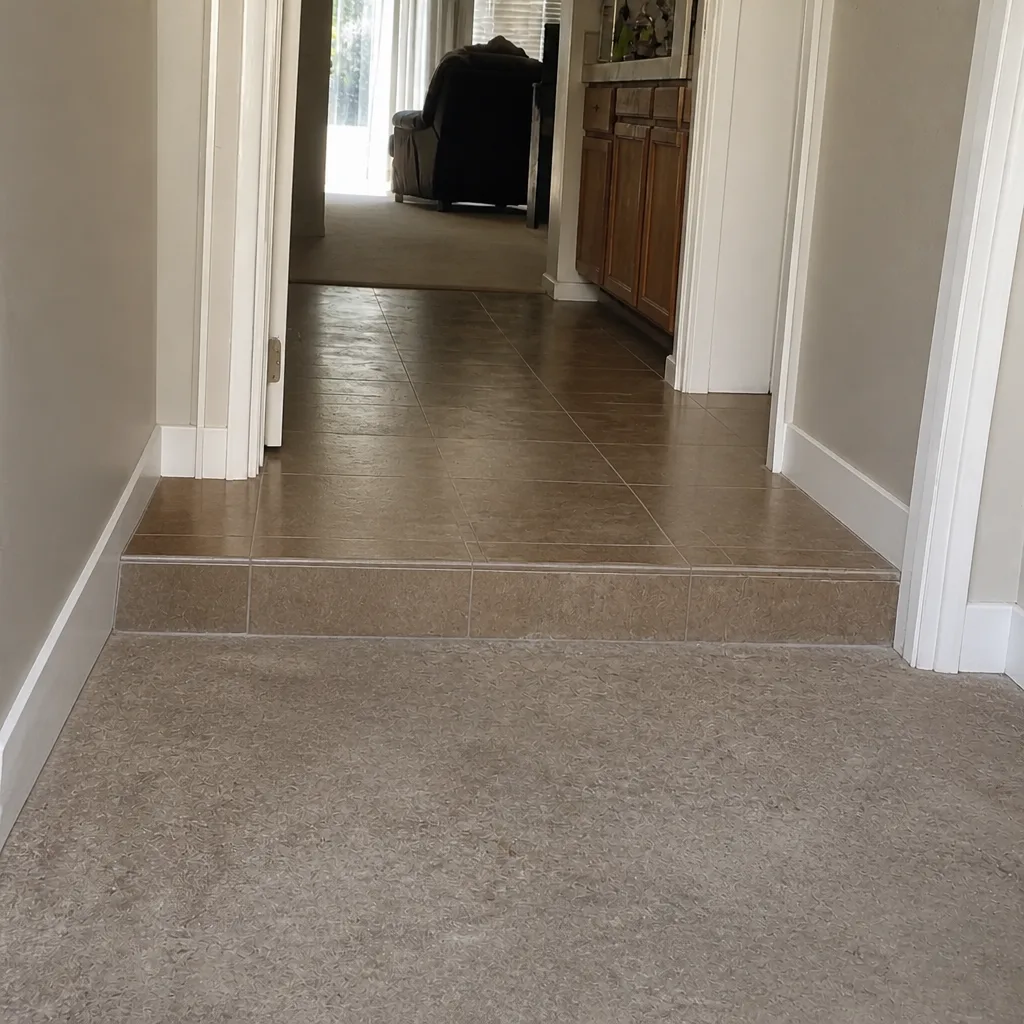
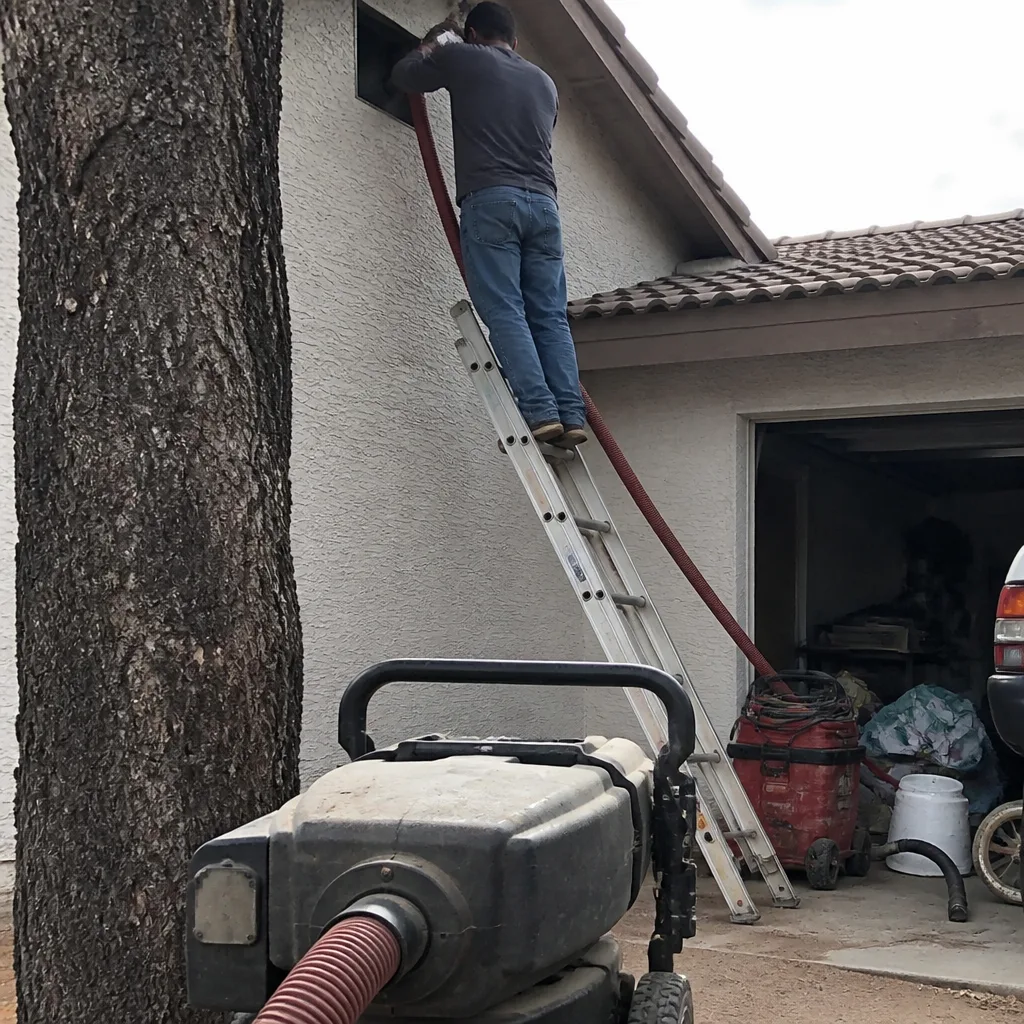
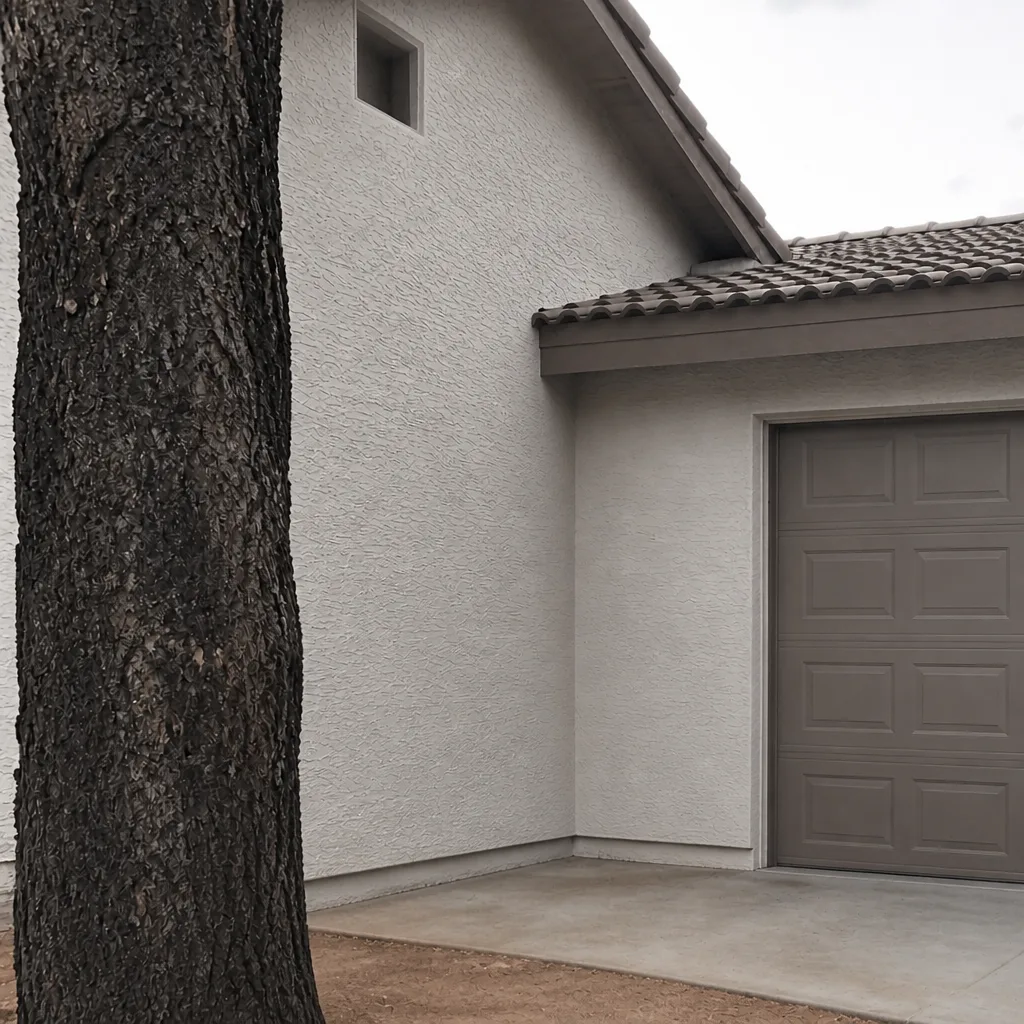
Whole-system duct and dryer vent check with before-and-after photos - you see exactly what came out of your vents
That "$99 whole-house special" is a bait ad - the real number appears once they are in your hallway, or the "clean" is a shop-vac at the register. We photograph the inside of your ducts before and after instead.
Air Duct Cleaning Permits, Codes & Inspections in Avondale, AZ: What You Need to Know
Most homeowners assume duct cleaning is pure maintenance, a service that never touches permit territory. That assumption holds up until someone cuts a new access panel into a return trunk, replaces a section of flex run, or mounts UV equipment inside the air handler. At that point the work starts overlapping with Arizona Registrar of Contractors rules and Avondale municipal codes, and the paper trail matters. We’ve watched homeowners discover this the hard way during a pre-sale inspection, when an unpermitted modification turns into a negotiating chip. This guide draws the line between cleaning that needs no permit and repair work that may, explains how to verify a contractor’s license in Avondale, and walks through what an inspection actually covers.
Quick Answer
Routine air duct cleaning in Avondale generally does not require a permit, because it’s maintenance of an existing system rather than a modification of it. Duct repair that changes the system, such as cutting new access openings, replacing duct runs, or installing equipment inside the air handler, may require a permit and should be done by a licensed mechanical contractor. When in doubt, call the City of Avondale’s building department before work starts, and always verify the contractor’s Arizona ROC license first.
Styles & brands we work with
- Whole-home duct cleaning
- Dryer vent cleaning
- Camera inspection
- Sanitizing & deodorizing
Table of Contents
- Maintenance Cleaning vs. Mechanical Repair: Where the Line Sits
- When Duct Sealing Crosses Into Licensed Mechanical Work
- How to Verify an Arizona ROC License for Duct Work
- What Avondale’s Building Inspection Process Looks Like
- How Unpermitted Duct Work Surfaces at Resale
- Why Avondale’s Climate and Housing Stock Change the Calculation
- Step-by-Step: Planning a Duct Project the Right Way
- What Duct Cleaning and Repair Typically Cost in Avondale
Maintenance Cleaning vs. Mechanical Repair: Where the Line Sits
The clearest way to think about permits is to separate cleaning from changing. Cleaning removes what’s already inside the system. Repair alters the system itself, whether that’s shape, size, routing, or the equipment attached to it. Arizona treats those two activities differently, and so does the City of Avondale.
On the maintenance side, the following generally falls outside permit territory:
- Removing dust, debris, and buildup from trunk lines, branch runs, and registers using negative-air equipment and rotary brush systems.
- Cleaning the air handler cabinet’s accessible interior surfaces without disconnecting or modifying components.
- Replacing a standard filter with a same-size filter, including pleated media filters from brands like Honeywell or Aprilaire when the cabinet already accepts them.
- Cleaning the dryer vent run from the appliance connection to the exterior termination.
On the repair side, work that changes the system often needs a permit and a licensed mechanical contractor. That includes cutting a new access panel where none existed, replacing a damaged section of duct, rerouting a run, upsizing or downsizing a trunk, and installing powered equipment such as UV lamps or inline air cleaners inside the air handler. Those jobs touch the mechanical system, and mechanical work in Avondale is regulated.
In our experience, homeowners in Avondale get confused here because a single visit can include both kinds of work. A technician cleans the ducts, finds a crushed flex run behind a knee wall, and offers to repair it. The cleaning was maintenance. The repair is a different category. Good duct specialists will tell you which is which before they start, and a specialist who does air duct cleaning and duct repair under one roof should be able to spell out the difference in plain language. If a contractor can’t, that’s a reason to slow down.
The takeaway: ask every contractor, in writing, whether the scope of work includes any modification to the system. If it does, ask who holds the license for that portion and whether a permit will be pulled. If the answer is vague, get it clarified before anyone shows up.
When Duct Sealing Crosses Into Licensed Mechanical Work
Sealing is the murkiest part of this whole topic, and it’s where most Avondale homeowners get surprised. A tube of mastic and a roll of foil tape look like low-stakes materials. Legally, what matters is what you’re sealing and how.
Minor sealing at accessible joints, such as taping a loose connection at a register boot or resealing a seam you can reach from the grille, is generally treated as maintenance. It doesn’t change the system’s capacity or configuration. The moment sealing becomes a system-level job, the picture shifts.
Work that typically requires a licensed mechanical contractor includes:
- Sealing duct joints inside walls, ceilings, or other concealed spaces where access requires cutting drywall or opening a chase.
- Applying mastic or sealant to a substantial portion of the duct system as part of a documented leakage-reduction effort.
- Sealing and reconnecting a duct run that has separated or collapsed, which is a repair rather than a maintenance touch-up.
- Any sealing work bundled with a change to the air handler, plenum, or the equipment mounted inside them.
The practical rule we share with Avondale homeowners is this: if the sealing happens entirely at accessible points and doesn’t change the system, it’s probably maintenance. If it requires opening a wall, replacing a run, or reconfiguring how air moves through the house, treat it as mechanical work and expect a license and possibly a permit.
There’s a quality dimension too. Sealing a duct system without first cleaning it traps debris behind the new seal, and sealing over a damaged run hides a problem that will resurface. A specialist using professional-grade equipment like a Rotobrush or Nikro system will clean first, inspect the duct interiors, and then decide what actually needs sealing. That order matters for both the result and the paper trail. When repair and cleaning happen in the same visit, you get one scope of work, one clear record, and no second contractor to schedule. Find it and fix it in one visit is how we approach it, because splitting a cleaning and a repair across two companies usually means paying twice for access.
How to Verify an Arizona ROC License for Duct Work
Arizona licenses contractors through the Registrar of Contractors, and the license classification tells you what a company is legally allowed to do. Cleaning-only outfits and licensed mechanical contractors are not the same thing, and the difference shows up in what they can legally take on when a job grows past maintenance.
Here’s how to check, step by step:
- Ask the contractor for their ROC license number before you book anything. A legitimate company will hand it over without hesitation.
- Look up that number on the Arizona Registrar of Contractors website. Confirm the name on the license matches the company you’re hiring, not a sister company or a subcontractor.
- Check the license classification. Residential and commercial mechanical classifications cover duct system work, while a general cleaning or specialty classification may not.
- Confirm the license is active and in good standing, and check whether any complaints are listed.
- Ask for a certificate of insurance showing general liability coverage, and confirm it’s current.
- Get the scope of work in writing, including whether the company will pull a permit for any modification.
If a company is cleaning only, no license may be technically required for that limited scope, but a licensed mechanical contractor can do both. When a job turns up a repair, the cleaning-only outfit has to stop, hand it off, or do work outside its legal scope. That’s the scenario that creates unpermitted modifications.
We’re a duct specialist, not a generalist HVAC contractor, and we work alongside licensed mechanical professionals when a project crosses into permit territory. That’s the honest arrangement, and it protects the homeowner. When you’re comparing quotes, ask the license question the same way you’d ask about insurance. It’s a filter, not a formality. A company that specializes in duct cleaning in Avondale should be able to explain exactly where their scope ends.
What Avondale’s Building Inspection Process Looks Like
When a duct-related project does require a permit, the City of Avondale’s building department reviews the application and schedules inspections. The process is straightforward for anyone who’s been through a home remodel, and knowing the sequence helps you plan around it.
- Permit application. The licensed contractor submits the scope of work, which for a mechanical project includes the duct layout, equipment specifications, and the points where the system will change.
- Plan review. The city reviews the application against adopted mechanical codes. For a straightforward duct replacement or a new equipment install, this is usually a short step.
- Rough-in inspection. Before ducts or equipment get closed up behind drywall, an inspector verifies the installation. This is the inspection that matters most, because it’s the only point where the work is visible.
- Final inspection. After the work is complete, the inspector confirms the system is installed as permitted and functioning.
- Record and sign-off. The permit is closed and the record stays with the property, which matters enormously when you sell.
Homeowners should request copies of the permit and the inspection sign-offs after the job. Keep them with your home records alongside your HVAC service history. In Avondale, where a meaningful share of the housing stock dates to the 1990s and early 2000s build-out, duct systems have often been touched by more than one contractor over time. A clean paper trail is the difference between a quick sale and a repair negotiation.
Our advice if you’re unsure whether your project crosses the line: call the city’s building department and describe the work in plain language. “Replacing a section of flex duct behind a wall” and “cleaning the ducts” will get you different answers, and the person on the phone can tell you which permits, if any, apply. It takes five minutes and saves a headache later.
How Unpermitted Duct Work Surfaces at Resale
Unpermitted duct modifications have a way of staying invisible until the house goes on the market. That’s when they get expensive, because a buyer’s inspector is looking for exactly this kind of thing, and a buyer’s agent knows how to use it.
Common discovery points include:
- Access panels cut into drywall or ceilings with no permit record and no visible framing or seal.
- Duct runs that don’t match the original mechanical layout, suggesting a reroute done without documentation.
- Powered equipment, such as UV lamps or inline air cleaners, installed inside or alongside the air handler with no permit or inspection record.
- Sealing work done over damaged ducts, which an inspector’s camera inspection will turn up.
- Dryer vent runs that don’t meet code for length, material, or termination point.
When something turns up, resolution usually means opening walls, correcting the work, and getting it inspected after the fact, and the cost of that remediation lands squarely on the seller in most negotiations. In our experience helping Avondale property owners sort out their duct systems, the surprise isn’t just the cost. It’s the timeline. A buyer’s inspection report can stall a closing for weeks while corrections get scheduled, inspected, and signed off.
The better move is to know what’s in your system before you list. If you’re planning to sell in Avondale in the next year or two, a duct cleaning and inspection visit can identify any modifications, sealed-over damage, or undocumented equipment before a buyer’s inspector does. If your home has had duct work done by more than one company over the years, that’s a reason to look now rather than later.
Why Avondale’s Climate and Housing Stock Change the Calculation
Avondale sits in the West Valley, where summers push the air conditioning system hard and the dust load in the air is a real factor. That climate shapes both the maintenance side and the permit side of this conversation.
High cooling demand means the duct system runs far more hours per year than in a mild climate. More runtime means more opportunity for joints to work loose, flex runs to sag or crush, and connections to separate. Those failures start as small leaks and turn into repair jobs. When that repair happens inside a concealed space, it crosses into licensed mechanical territory, and the permit question follows.
The housing stock matters as much as the climate. A lot of Avondale’s neighborhoods were built through the 1990s and 2000s, and duct systems from that era are now old enough that flex runs have aged and original installations have been touched by more than one contractor. We routinely see systems where a prior company added an access panel, patched a run, or installed equipment without leaving documentation. Before you do repair work on an older system, it’s worth asking whether the existing configuration was ever permitted, because correcting past work is a different scope than fixing a new problem.
Western Avondale’s newer construction, particularly in developments that went in during the 2010s and 2020s, tends to have more accessible duct layouts and clearer records. The permit question is simpler there. For homeowners in the older parts of Avondale, the answer is usually to inspect first and plan the repair scope around what’s actually there. That’s why we clean and inspect as one step. What you can’t see is where the surprises live, and a professional-grade inspection camera is the only honest way to look.
Step-by-Step: Planning a Duct Project the Right Way
If you’re facing duct work that might cross into repair, here’s the sequence we’d suggest. It applies whether you’re doing routine cleaning or planning a more involved project, and it keeps the permit question from becoming a surprise.
- Get a written scope of work first. Every quote should distinguish cleaning from repair, and repair from modification. If the quote blurbs them together, ask for a breakdown.
- Ask about permits in writing. Before work starts, ask the contractor whether any part of the job requires a permit and who’s pulling it. Get the answer in writing.
- Verify the license. Look up the ROC license number for the contractor doing the licensed work, and confirm the classification covers duct system work.
- Confirm insurance. Ask for a certificate of insurance and confirm the coverage is current.
- Clean before you repair. If cleaning and repair are both needed, cleaning should come first, so the repair isn’t performed over debris and the technician can see what the duct interior actually looks like.
- Document the work. Ask for before-and-after photos of the duct interiors, and keep copies of any permits and inspection sign-offs with your home records.
- Request the final inspection if a permit was pulled. A permit that isn’t closed is a problem at resale. Confirm the final inspection was completed and signed off.
That sequence is what separates a clean, documented project from one that turns into a problem at resale. It costs nothing to follow, and the documentation pays off years later. We walk through this with every Avondale homeowner we work with, because the questions are the same whether the project is a routine cleaning or a repair that touches the mechanical system.
If your home also has a dryer vent that hasn’t been cleaned in a while, that’s a separate service with its own code questions, and we cover the details in our dryer vent cleaning guide. The same documentation habit applies there, and the safety stakes are higher.
What Duct Cleaning and Repair Typically Cost in Avondale
Pricing is where the permit conversation lands, so here’s the honest version. Duct cleaning is quoted per system, not per vent, and repair is quoted separately based on scope. The final price is set by the written estimate, and these are typical ranges, not quotes.
| Service | Typical Estimated Range | Permit Likely? |
|---|---|---|
| Whole-home air duct cleaning | $350 – $750 | No |
| Dryer vent cleaning | $100 – $200 | No |
| Duct repair (single run, accessible) | $200 – $500 | Usually no |
| Duct repair (multiple runs, concealed access) | $500 – $1,200 | Possibly |
| New access panel installation | $150 – $400 | Possibly |
| Duct sealing (system-level, concealed work) | $400 – $1,000 | Possibly, if licensed mechanical work |
Those ranges vary with the size of the home, the number of systems, the condition of the ducts, and the amount of access required. What we won’t do is quote per vent or dangle a low teaser price that turns into a larger invoice on site. The industry’s bait-and-switch reputation is real, and it’s why we quote one flat price per system before work starts. You’ll know the number before anyone shows up, and you’ll see before-and-after photos of your own ducts when the job is done.
If a repair is needed, the quote will separate it from the cleaning so you can see exactly what’s driving the price. That’s also where the permit question lives: if the repair scope includes a modification to the system, the estimate will flag it and we’ll work with a licensed mechanical professional on the permitted portion. Call (866) 361-9304 for an exact quote. Estimates are free.
Common Mistakes to Avoid
- Assuming cleaning alone covers repair. Cleaning removes what’s inside the ducts. It doesn’t fix a crushed run or a separated joint, and a company that only cleans will leave those in place. Ask what the scope actually includes.
- Hiring the cheapest quote without checking the license. A low bid on a job that requires a licensed contractor is a red flag, not a bargain. In Avondale, verify the ROC license and classification before booking, especially on anything beyond maintenance cleaning.
- Letting a contractor cut access panels without a permit discussion. New access openings are modifications. Ask whether the work is permitted, and get the answer in writing, before the saw comes out.
- Sealing over debris and damage. Sealing a duct system without cleaning it first traps debris behind the seal and can hide a repair issue that will resurface. Clean first, seal after.
- Skipping documentation. Keep permits, inspection sign-offs, and before-and-after photos with your home records. Unpermitted work turns into a negotiating problem at resale, and documented work doesn’t.
- Ignoring the dryer vent. The dryer vent is a separate system from the air ducts, and it’s a leading cause of residential fires. Treat it as its own scheduled service, not an afterthought tacked onto a duct cleaning.
- Waiting until you’re selling to check. Buyers’ inspectors look for exactly this. Knowing what’s in your system a year or two before you list gives you time to correct anything and keeps a closing from stalling.
See the difference
 Before
 After
 Before
 After
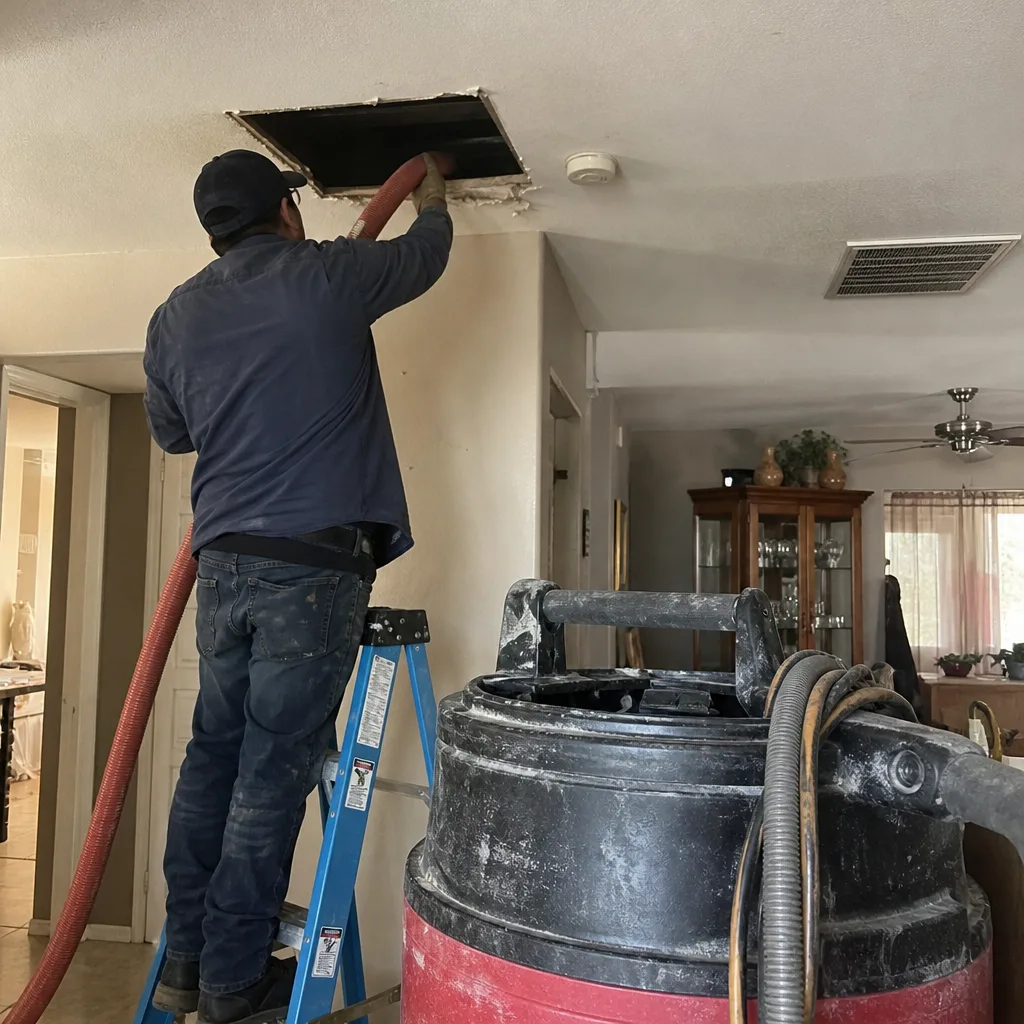 Before
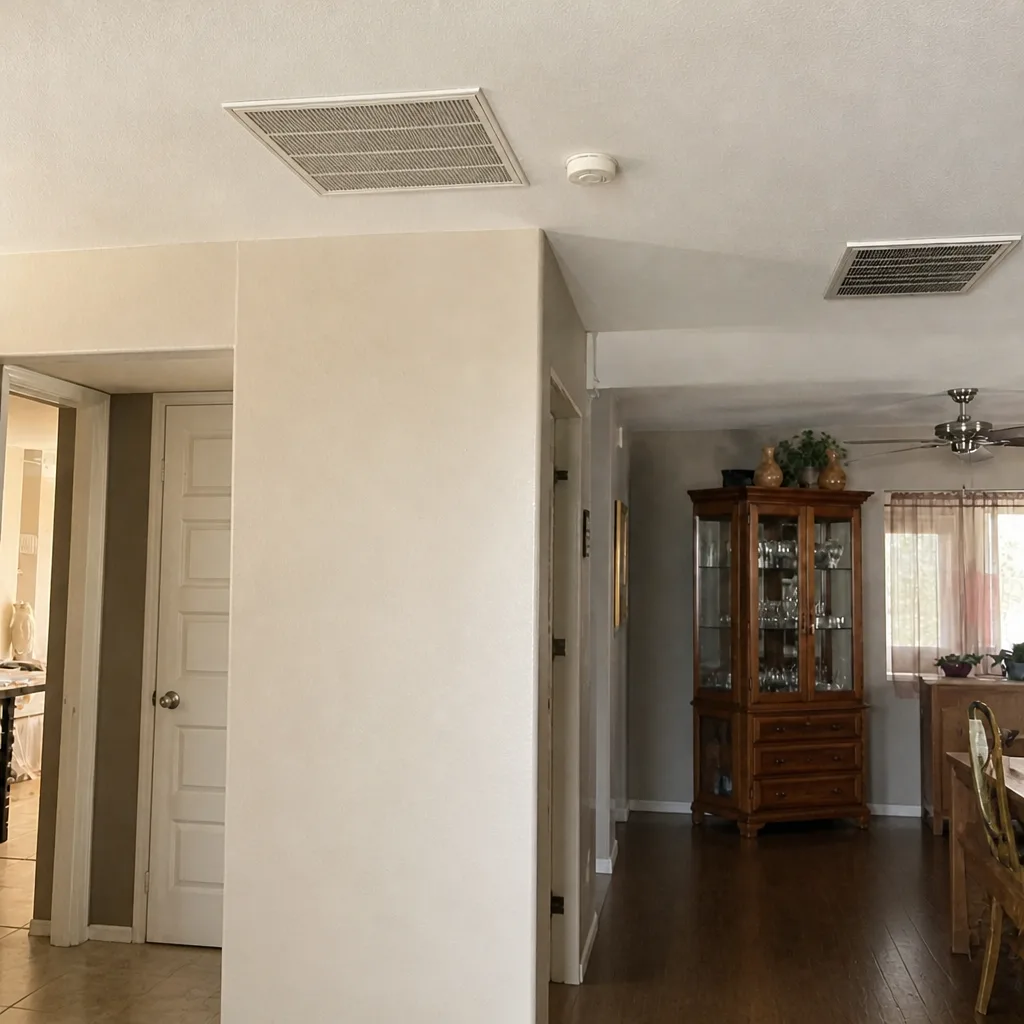 After
When to Call a Professional
Not every duct situation needs a call, but several do. If you see visible dust blowing from registers right after a system starts, that’s worth a look. If airflow in one part of the house is noticeably weaker than the rest, a crushed or separated run is a real possibility. If you’re planning a duct repair that might involve new access panels, replacing runs, or installing equipment in the air handler, that’s a permit question and a licensed-contractor question, and you should not go it alone. Electrical safety inside the air handler is a genuine concern, and we never suggest homeowners open that cabinet themselves. If you’re getting ready to sell in Avondale and you don’t know the history of your duct system, a cleaning and inspection visit will tell you what’s there. Duct Cleaning Avondale offers free estimates in Avondale. Call (866) 361-9304. We answer 24/7, with fast dispatch from 7am to 7pm, Sunday through Friday.
Frequently Asked Questions
No, routine air duct cleaning in Avondale generally does not require a permit because it’s maintenance of an existing system rather than a modification. If the job grows to include new access panels, replaced duct runs, or equipment installed in the air handler, those are modifications that may require a permit and a licensed mechanical contractor. Call (866) 361-9304 for an exact quote on your system. Estimates are free.
Usually yes, if the repair involves modifying the duct system rather than cleaning it. Replacing a duct section, rerouting a run, cutting a new access opening, or installing powered equipment inside the air handler is mechanical work, and in Arizona that calls for a licensed mechanical contractor. Verify the ROC license number and classification before work starts. Call (866) 361-9304 to talk through your scope.
Ask for the Arizona ROC license number, then look it up on the Registrar of Contractors website and confirm the name and classification match. Also ask for a certificate of insurance and confirm it’s current. A legitimate company will provide all of this without hesitation. If a contractor can’t produce an ROC number for licensed mechanical work, that’s a reason to walk away. Call (866) 361-9304 for a straightforward estimate from our team.
A buyer’s inspector will likely flag unpermitted duct modifications, and the resolution usually means opening walls, correcting the work, and getting it inspected afterward. The cost typically lands on the seller in the negotiation, and the correction timeline can stall a closing. If you’re planning to sell, have your duct system inspected and documented before you list. Call (866) 361-9304 for a free estimate.
It depends on the scope. Sealing at accessible joints is generally treated as maintenance. Sealing inside walls or other concealed spaces, sealing as part of a system-level leakage-reduction effort, or sealing bundled with a change to the air handler is mechanical work that calls for a licensed contractor and may require a permit. Call (866) 361-9304 if you want to know which category your project falls into. Estimates are free.
Whole-home air duct cleaning in Avondale typically ranges from about $350 to $750, and the price depends on the size of the home, the number of systems, the condition of the ducts, and the access required. Repair is quoted separately. We quote one flat price per system before work starts, not per vent, and we provide before-and-after photos. Call (866) 361-9304 for an exact quote.
Usually because the scope is narrower, the equipment is consumer-grade, or a low teaser price grows into a larger invoice once the technician is on site. Some quotes also leave repair needs unaddressed, which is a cost later rather than a saving now. We quote one flat price per system before work starts, and our technicians use professional-grade equipment from Rotobrush, Nikro, and Abatement Technologies. Call (866) 361-9304 for a straight answer. Estimates are free.
It depends on the home. In Avondale’s dusty climate and with high cooling runtime, a fair rule is to have the system inspected every few years, and to schedule a cleaning when dust, debris, or airflow problems show up. Homes with pets, recent renovations, or older duct systems benefit from more frequent checks. Call (866) 361-9304 to talk through your situation. Estimates are free.
The Bottom Line
Duct cleaning itself rarely requires a permit in Avondale, but duct repair and modification often do, and the gap between those two categories is where problems live. Know the difference before you book. Ask every contractor for a written scope that separates cleaning from repair, verify the Arizona ROC license and classification, and get the permit answer in writing. Clean first, repair after, and document both. Keep permits, inspection sign-offs, and photos with your home records. If you’re selling in Avondale and don’t know what’s in your ducts, inspect now rather than at the negotiation table. The questions cost nothing and the documentation pays off years later.
Contact Us
If you’re ready to know what’s actually in your duct system, we’re glad to help. Duct Cleaning Avondale offers free estimates and works with professional-grade equipment including Rotobrush, Nikro, and Abatement Technologies systems. We clean, repair, and clean dryer vents, all with duct-dedicated technicians and a single flat price per system quoted before work starts. Call (866) 361-9304. We answer 24/7. Fast dispatch from 7am to 7pm, Sunday through Friday.
Written by the team at Duct Cleaning Avondale.