
Last updated November 16, 2026
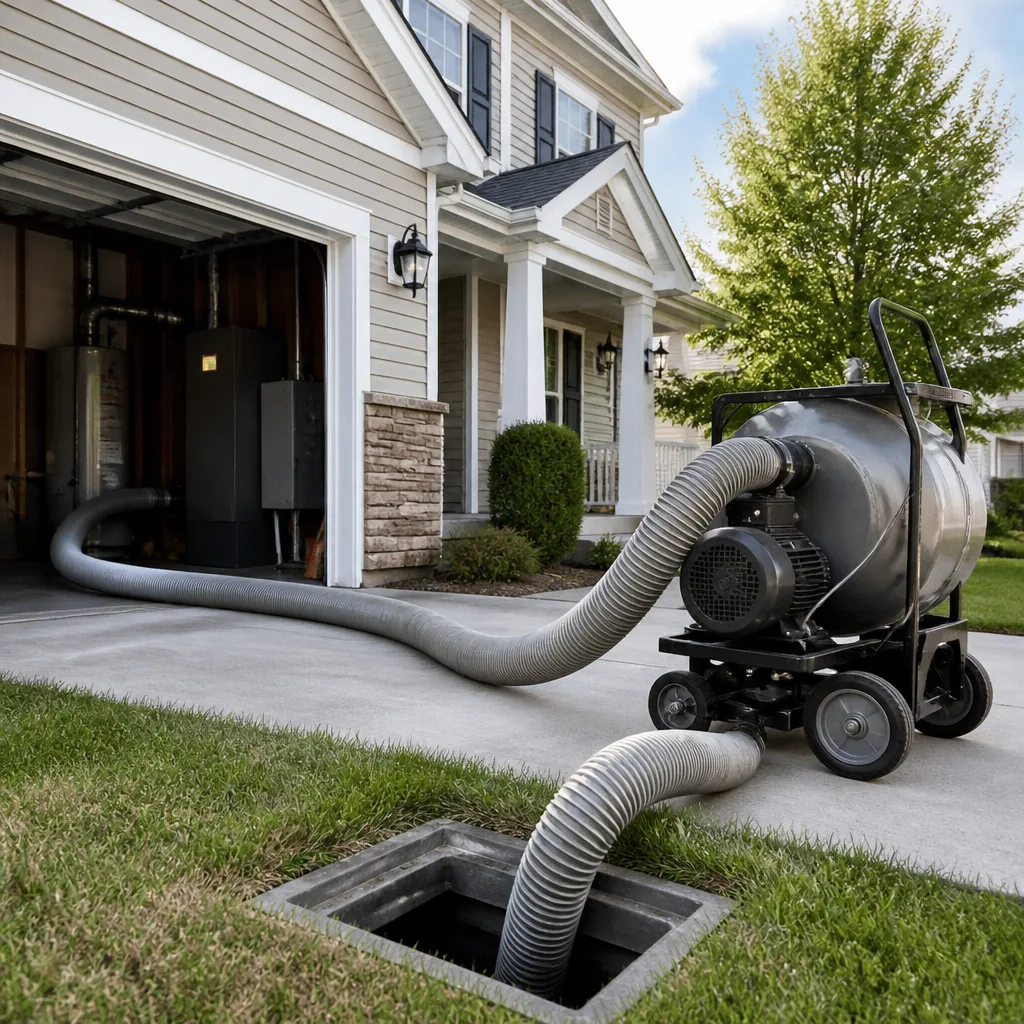 Whole-home duct cleaning
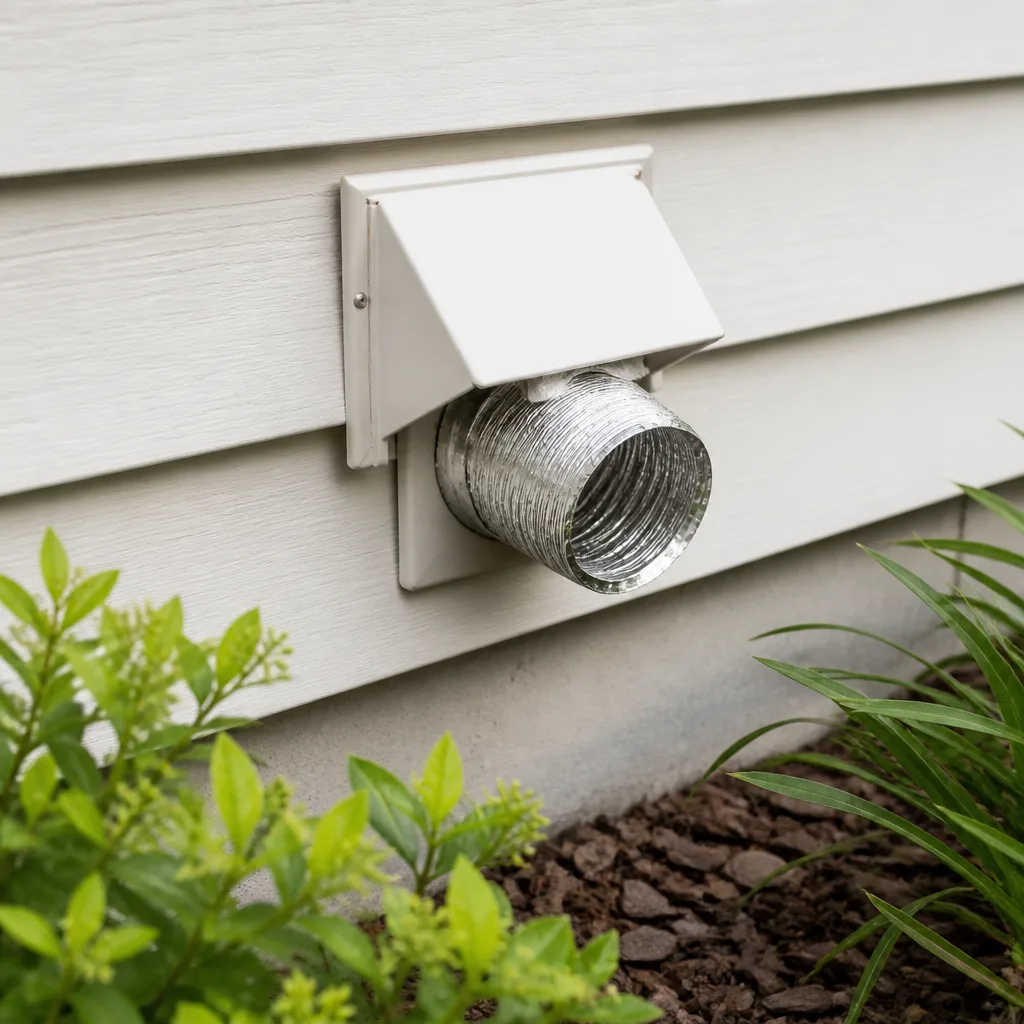 Dryer vent cleaning
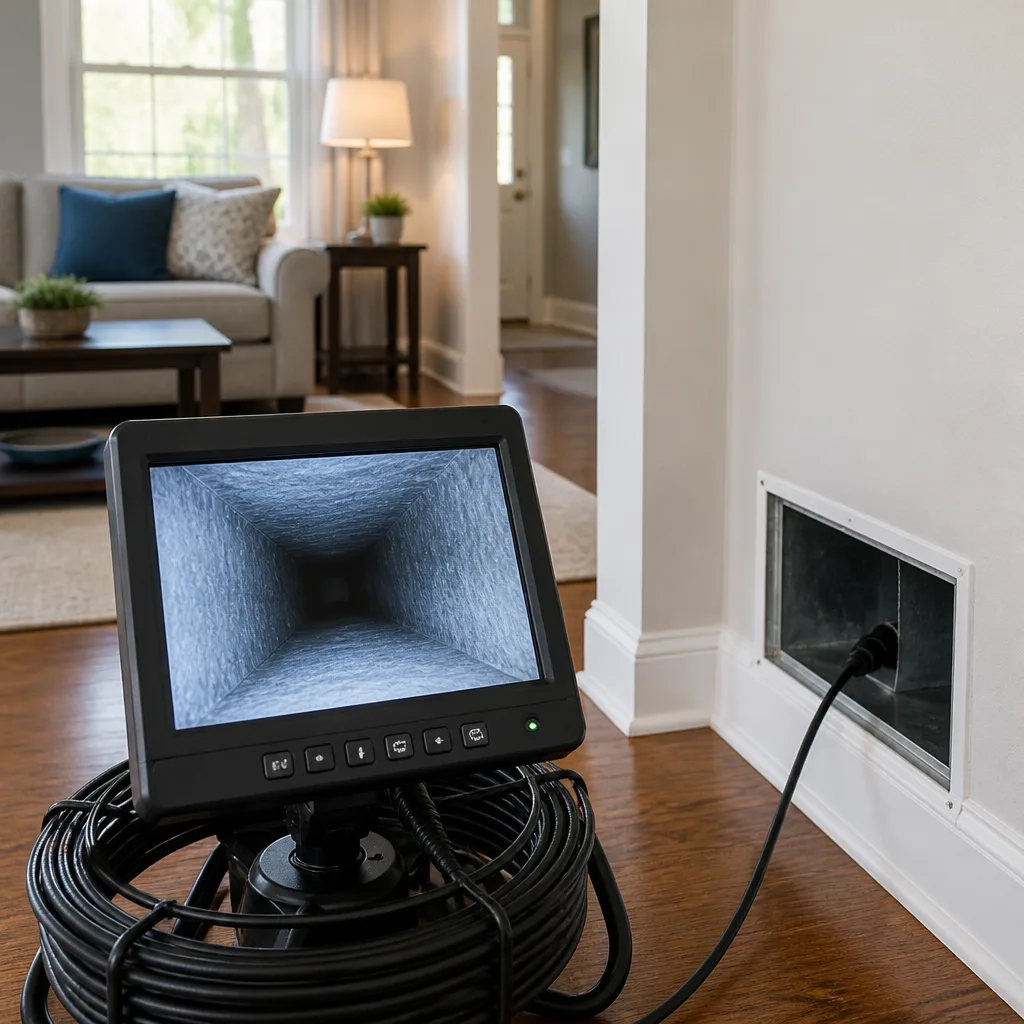 Camera inspection
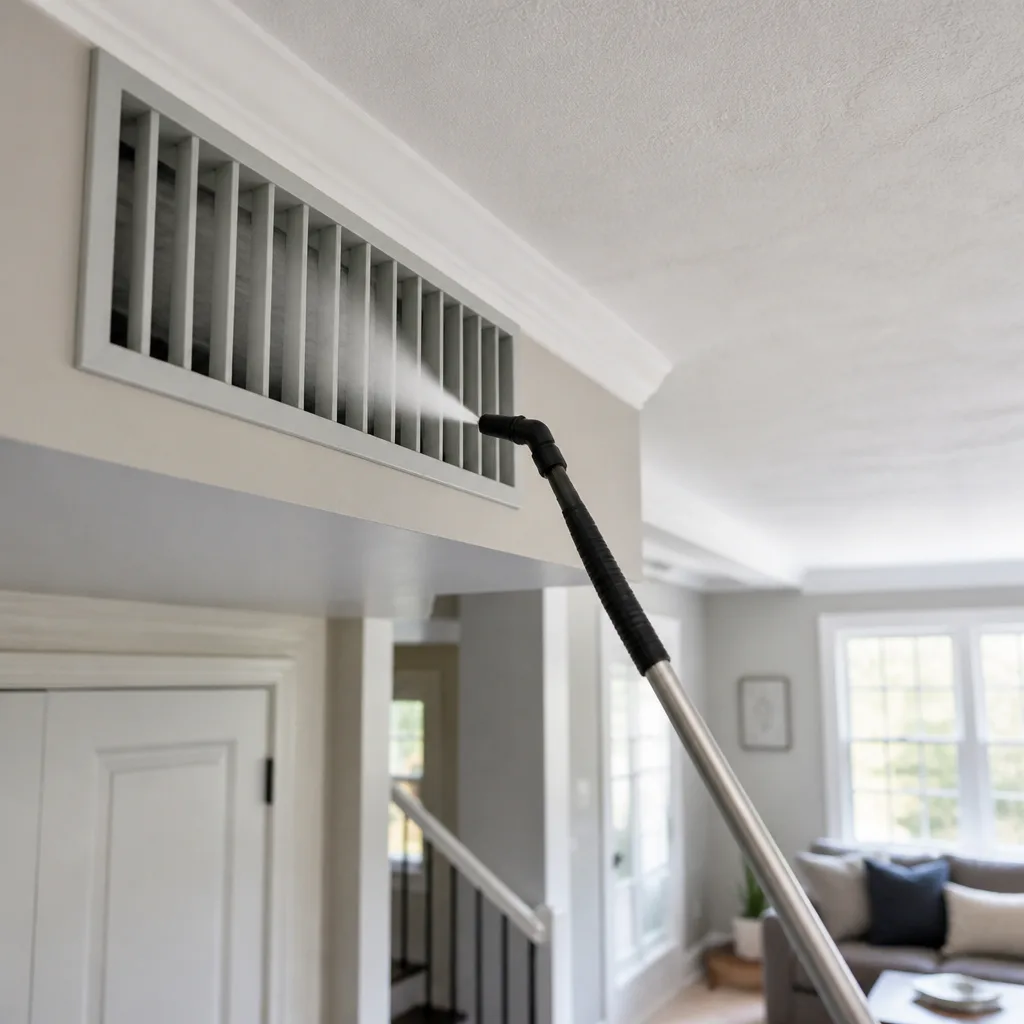 Sanitizing & deodorizing
Whole-system duct and dryer vent check with before-and-after photos - you see exactly what came out of your vents
That "$99 whole-house special" is a bait ad - the real number appears once they are in your hallway, or the "clean" is a shop-vac at the register. We photograph the inside of your ducts before and after instead.
Seasonal Air Duct Cleaning Care for Avondale: Year-Round Homeowner’s Guide
Most seasonal duct cleaning advice is written for a climate that doesn’t exist here. National guides tell you to clean in spring and forget about it, as if dust, humidity, and HVAC demand hold steady all year. In Avondale, they don’t. The contamination cycle that matters here is driven by dust load, monsoon humidity, and how hard the system runs through the summer and winter. Pre-monsoon June is often the worst month for duct contamination, yet it’s the month most guides ignore entirely. This guide maps out the real seasonal rhythm of duct care in Avondale, phase by phase, so you can time cleaning and inspection to follow the events that actually load up your system.
Styles & brands we work with
- Whole-home duct cleaning
- Dryer vent cleaning
- Camera inspection
- Sanitizing & deodorizing
Quick Answer
In Avondale, duct contamination peaks in four predictable phases: the April-May heat ramp, the June-September monsoon season, the October post-monsoon dust settlement, and the December-February high-filter-load heating stretch. The most useful timing for a Duct Cleaning Avondale visit is right after a peak contamination event, not on an anniversary date. A post-monsoon inspection every October catches moisture intrusion before it becomes a mold problem, even in years when a full cleaning isn’t due.
Table of Contents
- Why Avondale’s Seasons Are Measured in Dust, Not Temperature
- Phase 1: The Pre-Summer Heat Ramp (April-May)
- Phase 2: Monsoon Infiltration Risk (June-September)
- Phase 3: Post-Monsoon Dust Settlement (October)
- Phase 4: High-Filter-Load Winter Heating (December-February)
- How to Adjust Filter MERV Ratings Seasonally
- Timing Professional Cleaning to Peak Contamination
- Common Mistakes to Avoid
- When to Call a Professional
- Frequently Asked Questions
Why Avondale’s Seasons Are Measured in Dust, Not Temperature
In most of the country, the seasonal duct cleaning calendar is built around temperature: clean before heating season, clean before cooling season. That framework assumes the biggest contamination events come from temperature extremes. In Avondale, temperature is only part of the story. The bigger drivers are airborne dust concentration, short humidity swings, and how continuously the HVAC system runs through the hottest and coldest stretches of the year.
Dust load is the amount of particulate suspended in and settling out of the air. It climbs and falls with wind patterns, construction activity, and dry spells. Humidity swings matter because they affect how dust clings to duct surfaces and how moisture can get into a system during storm events. HVAC demand cycles matter because a system that runs nearly nonstop is pulling far more air – and airborne particulate – through its return ducts than one that cycles on and off.
When those three factors line up, contamination builds faster than most homeowners expect. Here’s the pattern we watch for:
- High dust load + high demand: rapid accumulation on return ducts and filter faces.
- Storm-driven negative pressure + unsealed returns: exterior particulate pulled directly into the duct system.
- Settled dust + sustained humidity: the conditions where moisture can get trapped against duct surfaces.
The result is a contamination cycle that runs on its own schedule, not the calendar’s. This is why Avondale homeowners who follow a generic spring-cleaning schedule often clean at the wrong time – catching a system either before it’s at its dirtiest or after a problem has already set in.
You can think of the year here as four distinct phases, each with its own contamination pattern and its own best time to act. The sections below walk through each one in order.
Phase 1: The Pre-Summer Heat Ramp (April-May)
April and May are the transition months when the system wakes up from lighter winter use and starts running harder as temperatures climb. This is the first real contamination event of the Avondale year, and it’s worth understanding why.
As the system ramps up, it’s pulling more air through return ducts that sat through the drier winter months collecting settled dust. The first weeks of heavy demand push that settled dust back into circulation and onto surfaces, filter faces, and duct walls. Meanwhile, outdoor dust concentration is climbing as spring winds pick up.
The pre-summer phase is a good time to do three things:
- Inspect the filter. Pull it and look at how loaded it is. A filter that loaded up faster than expected is telling you something about the dust load the system is pulling in.
- Check the returns by feel. Turn the system on and hold your hand to a return grille. Weak or uneven airflow at some returns can point to a blockage or a damaged run worth looking at.
- Look for the obvious. Visible dust streaks around grilles, grilles that whistle, or a musty smell when the air first comes on are all worth noting before the heavy summer season.
This isn’t the peak contamination point of the year – that comes next – but it’s when you set the baseline. If you plan one cleaning for the summer, timing it to the end of this ramp, just before demand peaks, often makes more sense than cleaning at the height of summer. Cleaning right before peak demand means a system that’s clean going into the hardest stretch of the year.
One more note on the pre-summer window: this is also a reasonable time to address any obvious duct repair needs. A gap or loose joint that’s found in April can be sealed before the monsoon season tests it. Our air duct cleaning approach includes a look at the system’s condition, so small problems don’t wait until they get bigger.
Phase 2: Monsoon Infiltration Risk (June-September)
June through September is the phase national guides never account for, and in Avondale it’s the one that matters most. Here’s what actually happens inside a duct system during monsoon season.
Two things combine. First, dust concentrations spike before and during the rains, so the air being pulled into the system carries more particulate than at any other time of the year. Second, storm events create pressure changes around the house. When wind-driven pressure builds against the building envelope, air is pushed toward any opening it can find – and an unsealed return system is exactly that kind of opening. Under the right pressure conditions, exterior particulate can be pulled directly into the return ductwork rather than filtered out at the grille.
What monsoon season actually deposits inside ducts, in broad terms:
- Fine exterior particulate: dust and debris driven in through unsealed return joints and gaps.
- Dust that’s been pushed off surfaces: pressure changes can dislodge settled dust from duct walls.
- Moisture, in some cases: where storm-driven moisture finds a way in and gets trapped against a cool duct surface, that’s the condition that matters most for long-term system health.
The moisture piece deserves attention. Mold needs sustained moisture to establish. A duct that gets damp during a storm and then dries quickly is usually fine. A duct where moisture gets trapped – say, in a low section, behind insulation, or at a joint that doesn’t seal well – is where moisture intrusion can become a real problem. That’s why sealed returns and sealed joints matter so much here: the same gaps that let particulate in during a storm also let moisture in.
What you can check during monsoon season:
- Look for water stains or discoloration around return and supply grilles after storm events.
- Notice a musty or earthy smell when the system first comes on – if it’s new, it’s worth investigating.
- Check the accessible duct sections for dampness or condensation on surfaces after a storm.
- Listen for new rattles or whistles at returns, which can signal a joint that’s opened up.
We’ve seen this phase be the difference between a system that comes out of monsoon season in good shape and one that develops a problem that takes a real repair to resolve. If you suspect storm-driven moisture has gotten into the system, that’s a reason to call rather than wait. A moisture problem caught early is far easier to address than one that’s had weeks to sit.
Phase 3: Post-Monsoon Dust Settlement (October)
When the monsoon season winds down, the system doesn’t reset to clean. October is when the dust that’s been stirred up and pulled in through the summer finally settles. This is the single most useful month in the Avondale duct care calendar, and it’s the phase that national guides completely miss.
By October, the duct system has been through months of peak demand, spike dust concentrations, and storm events. Even in a year when a full cleaning isn’t due, an inspection in October catches things while they’re still small. The reason this matters is moisture: if storm-driven moisture found its way into the system during the summer, October is when you want to find it, before it has time to establish a mold problem through the cooler months.
What a post-monsoon inspection is looking for:
- Moisture intrusion signs: discoloration, stains, or any evidence of dampness at grilles and accessible duct sections.
- Damaged or disconnected runs: joints that opened up over the summer and are now leaking air.
- Accumulation patterns: where the summer’s dust load has settled and how heavy it is.
- Filter condition after the heaviest use season: the filter’s state tells you what the system has been through.
Here’s the practical case for October: a moisture problem found in October can be addressed before cooler months set in, and before any contamination has a quiet season to settle into the duct surfaces. The same problem found in, say, January has had months to develop. That timing difference is the whole reason the post-monsoon inspection is worth doing even when cleaning isn’t on the schedule.
October is also the natural time to schedule a more thorough Duct Cleaning Avondale service if a cleaning is due. Cleaning after the summer’s contamination has settled means you’re removing the accumulated load, not chasing it. And if the inspection turns up a repair issue – a disconnected run, a gap at a joint – that’s a good reason to have it addressed now, while the system is heading into the cooler, lower-activity months.
If you want the inspection to be worth more than a look, have the technician check the accessible duct sections and the filter face together. The two tell a fuller story than either one alone.
Phase 4: High-Filter-Load Winter Heating (December-February)
Winter in Avondale is mild, but it’s not zero-demand. December through February is the heating stretch – not extreme, but sustained – and it’s the phase where filter load and interior dust accumulation take over as the main concern.
Heating season works a little differently from cooling season. The system runs, but often less continuously than in summer. That means less constant airflow, which means dust that’s introduced into the system tends to settle rather than stay in suspension. Winter is also the season when interior dust – from carpets, pets, cooking, and everyday activity – gets recirculated and settles into duct surfaces and on the filter.
What to watch in the winter phase:
- Filter loading: check it more often than you think you need to, especially if you have pets, carpet, or a lot of foot traffic.
- Dust on horizontal surfaces: a sudden increase in settled dust around the house often points to a filter that’s overloaded or a duct issue that’s letting particles through.
- Airflow at registers: weaker heat coming out of some registers than others is worth a look.
This is also the phase where the filter rating matters most. A filter that was fine for the summer’s outdoor dust load may be loading up faster than expected once interior dust is a bigger share of what the system is pulling in. The next section covers how to think about that.
Winter is a reasonable time for a lower-intensity pass – a filter check, a quick look at registers, a note of anything that seems off. If the fall post-monsoon inspection found a repair need, getting it done before the heating season puts more demand on the system makes sense. And if you’ve been putting off a duct issue, the winter months are a good time to plan the work before the cycle starts over in April.
How to Adjust Filter MERV Ratings Seasonally
Most homeowners pick a filter rating and stick with it forever. That’s understandable – it’s simpler – but it leaves performance on the table, because the right filter spec for the summer dust load isn’t necessarily the right one for the winter interior-dust season. Matching the filter to the season’s outdoor air conditions gets more out of the system without overloading it.
A few things to understand before changing anything:
- Higher MERV means finer filtration but more resistance. A filter that’s too restrictive for your system’s airflow can reduce performance, so the rating isn’t a case of higher being better automatically.
- Outdoor air quality conditions shift seasonally. The dust load and particulate profile in the air outside changes between the pre-summer ramp, monsoon season, and the cooler months. That’s what you’re matching the filter to.
- Filter condition matters more than the rating on the box. A clogged high-MERV filter can underperform a fresh lower-MERV one.
A practical breakdown by phase:
- Pre-summer (April-May): a filter rated for the higher outdoor dust load as the system ramps up.
- Monsoon (June-September): the stretch when outdoor particulate spikes and storm events drive more airborne particulate – keep a filter that handles that load and check it more often.
- Post-monsoon (October): after the heavy season, replace the filter as part of the inspection and cleaning, and reset for the fall.
- Winter heating (December-February): a filter spec suited to the interior-dust load of the heating months, checked frequently because loading can climb quickly.
Two cautions. First, don’t go higher on MERV just because it sounds like better filtration – respect your system’s airflow limits, and if you’re not sure of them, a professional can tell you what your system can handle. Second, if your system has a filter housing or air-quality component from a brand like Honeywell or Aprilaire, the filter that fits it matters. We work with and service Honeywell and Aprilaire air-quality equipment, so if you’re unsure what your system was built for, that’s a question worth asking before you buy a filter that doesn’t fit or that the system can’t pull through.
For most homes, the simplest version of this is: use a filter rated for the season’s outdoor dust load, check it more often in the high-dust and high-load months, and replace it at the post-monsoon reset. That alone gets you most of the benefit.
Timing Professional Cleaning to Peak Contamination
The most common timing mistake is the anniversary approach: clean once a year, on roughly the same date. It feels organized, but the system doesn’t care about the date. What matters is what the system has been through since the last cleaning – which in Avondale is driven by the four phases above.
Timing cleaning to follow peak contamination events means you clean when the system is at its dirtiest, not when the calendar says it’s time. In practice, that looks like this:
- After the pre-summer ramp and before peak summer demand: a clean system heading into the hardest stretch of the year.
- After monsoon season, in October: removing the summer’s settled dust load and catching any storm-driven damage at the same time.
- Before winter heating: a clean system for the heating months, with a filter matched to interior dust load.
The single highest-value slot in the Avondale year is October, because it follows the heaviest contamination season and it’s the natural moment for inspection. If you clean once, clean then.
What about scheduling a professional job in general? The right time is when a peak event has passed and before the next one begins. In our experience, homeowners who follow that rhythm clean at the right times without over-cleaning, and they tend to catch repair issues – a disconnected run, a leaking joint – before those issues become bigger and more expensive to fix.
A couple of practical notes on the timing rhythm:
- Don’t wait for visible signs. Dust on a visible grille is a late-stage sign, not an early one.
- Don’t clean just because a year has passed. If the system has been lightly used, the accumulation may not warrant it. The season’s activity tells you more than the calendar.
- Pair cleaning with an inspection. Every cleaning is a chance to catch a repair need while the system is already open, which is the “find it and fix it in one visit” benefit of working with a duct specialist.
If you’re unsure which phase you’re in or whether a cleaning is due, the simplest move is to have the system looked at in October, when the post-monsoon inspection will tell you exactly where you stand. From there, you can plan a rhythm that follows Avondale’s seasons instead of a generic schedule.
Common Mistakes to Avoid
- Following a national spring-cleaning schedule. Spring cleaning assumes the biggest contamination event is the heating season, which isn’t true here. In Avondale, the post-monsoon month of October is the highest-value time to act, not April or May.
- Skipping the post-monsoon inspection in years when no cleaning is due. The whole point of the October inspection is to catch moisture intrusion before it can establish a mold problem. Skipping it just because a cleaning isn’t scheduled leaves the most important check undone.
- Leaving one filter spec in year-round. A filter matched to the summer dust load may be wrong for the winter interior-dust season, and vice versa. The rating should track the season’s outdoor air conditions, within what your system’s airflow can handle.
- Assuming a sealed return is someone else’s problem. A return that doesn’t seal well is exactly the kind of opening that lets storm-driven particulate and moisture in during monsoon season. If a joint or gap is visible, it’s worth having it looked at and sealed.
- Cleaning at the height of summer demand. Cleaning right before the peak, or right after the heaviest season has passed, is more efficient than cleaning when the system is already running flat out. Service during peak demand can be slower and doesn’t leave the system cleaner going into the hardest months.
- Treating every duct issue as a cleaning job. A gap, leak, or disconnected run won’t be fixed by cleaning alone. If the problem is physical, the fix is a repair, and a company that only cleans will leave it open.
- Buying filters without checking the system’s limits. Higher MERV isn’t automatically better; too restrictive a filter can reduce airflow and system performance. If you have a Honeywell or Aprilaire housing or air-quality component, match the filter to what the system was built for.
When to Call a Professional
Some seasonal tasks are homeowner-level: checking the filter, looking at a grille for dust streaks, noticing a new smell. Others are reasons to call a specialist. Call if you notice moisture stains or discoloration around grilles after storm events, a musty smell when the system comes on, weak or uneven airflow at registers that doesn’t resolve with a fresh filter, or a visible gap or disconnected section in an accessible run. Also call if it’s been a heavy summer and you want the post-monsoon inspection done right, or if you’ve never had the system inspected and want to establish a baseline.
Duct Cleaning Avondale offers free estimates in Avondale – call (866) 361-9304. We answer 24/7. Fast dispatch from 7am to 7pm, Sunday through Friday. Our technicians have up to 9 years of experience, and we work with professional-grade equipment from Rotobrush and Nikro, plus Abatement Technologies on jobs that need negative-air containment. Duct repair is one of our three services, so if the inspection turns up a repair need, we can often handle it in the same visit.
Frequently Asked Questions
The best time is October, right after monsoon season, because that’s when the summer’s dust load has settled and when an inspection catches any storm-driven moisture before it becomes a mold problem. If you clean once a year, schedule it for the post-monsoon window. Call (866) 361-9304 for an exact quote – estimates are free.
Yes. Monsoon season spikes outdoor particulate and creates pressure changes that can pull exterior particulate into unsealed return systems, and in some cases moisture can get trapped against cool duct surfaces. The June-September stretch is the phase where moisture intrusion risk is highest. If you suspect a problem, call (866) 361-9304 for an inspection – estimates are free.
Yes, and it’s the single most useful thing you can do. A post-monsoon inspection catches moisture intrusion and small repair needs before they grow, and the cost of catching them early is far lower than waiting. Call (866) 361-9304 to book one – estimates are free.
It’s worth adjusting the rating to the season’s outdoor air conditions, as long as the filter stays within what your system’s airflow can handle. Higher MERV filters the air more finely but adds resistance, so the right spec is the one the system can pull. If you’re unsure what your system is built for – especially if it has a Honeywell or Aprilaire component – call (866) 361-9304 and we’ll help you sort it out. Estimates are free.
Visible dust streaking around grilles, a musty smell when the system comes on, uneven airflow at registers, and a sudden increase in settled dust around the house are all signs worth acting on, regardless of the season. If you’re seeing any of them, call (866) 361-9304 – estimates are free.
It depends on activity – dust load, system use, pets, and whether there’s been a heavy monsoon season – more than on a fixed number of years. In practice, timing the cleaning to follow a peak contamination event, mostly the post-monsoon window, is more reliable than an anniversary schedule. Call (866) 361-9304 for a free estimate and we can tell you where the system stands.
The Bottom Line
Avondale’s duct care calendar is built on dust load, humidity swings, and HVAC demand cycles, not on the national spring-cleaning assumption. The year breaks into four phases: the April-May heat ramp, the June-September monsoon infiltration risk, the October post-monsoon settlement, and the December-February winter filter-load stretch. The October inspection is the highest-value date on the calendar, even in years when a cleaning isn’t due, because it catches moisture intrusion before it establishes. Match your filter to the season’s outdoor air conditions so long as the system’s airflow can handle it, and time cleaning to follow peak contamination events rather than an anniversary date. If you’re ready to plan your system’s year around Avondale’s real seasons, call (866) 361-9304. Duct Cleaning Avondale offers free estimates in Avondale. We answer 24/7. Fast dispatch from 7am to 7pm, Sunday through Friday. We’re closed Saturday. Our technicians have up to 9 years of experience.
Written by the team at Duct Cleaning Avondale.
See the difference
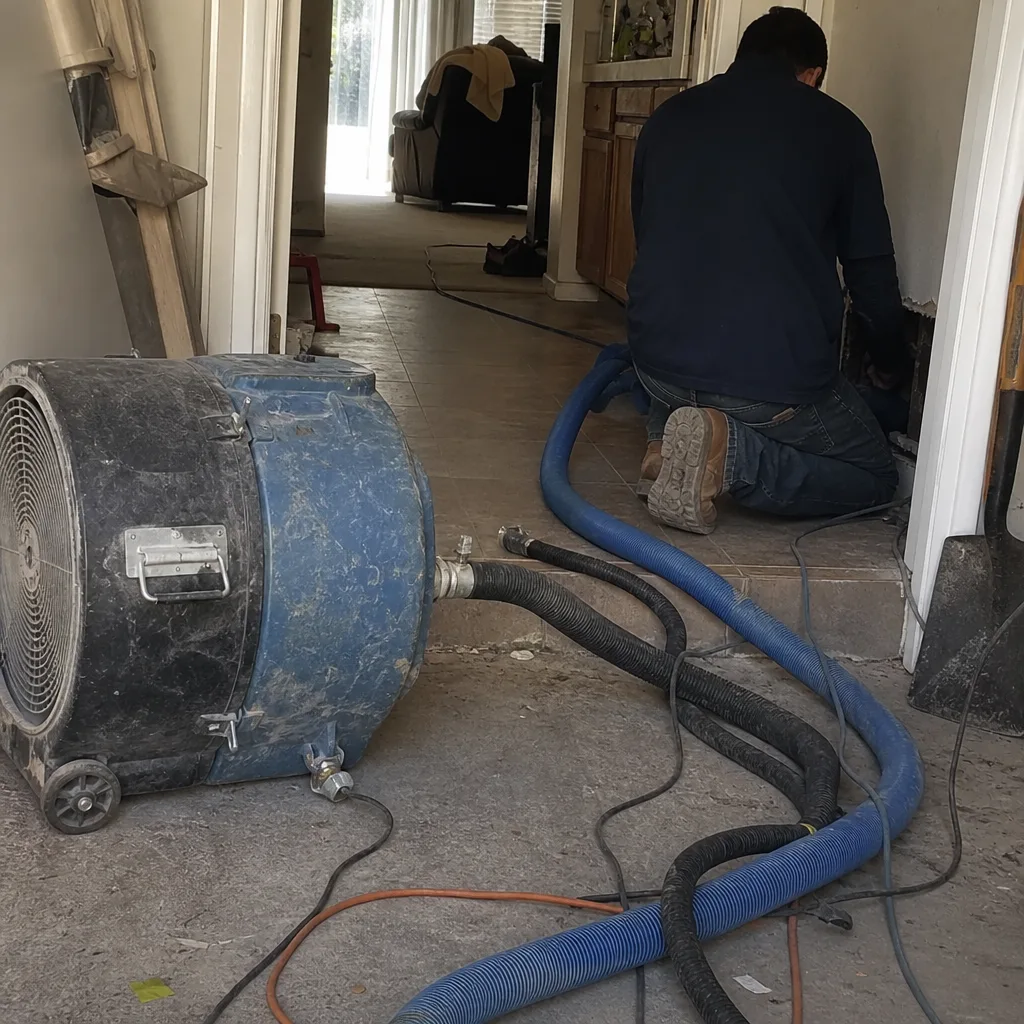 Before
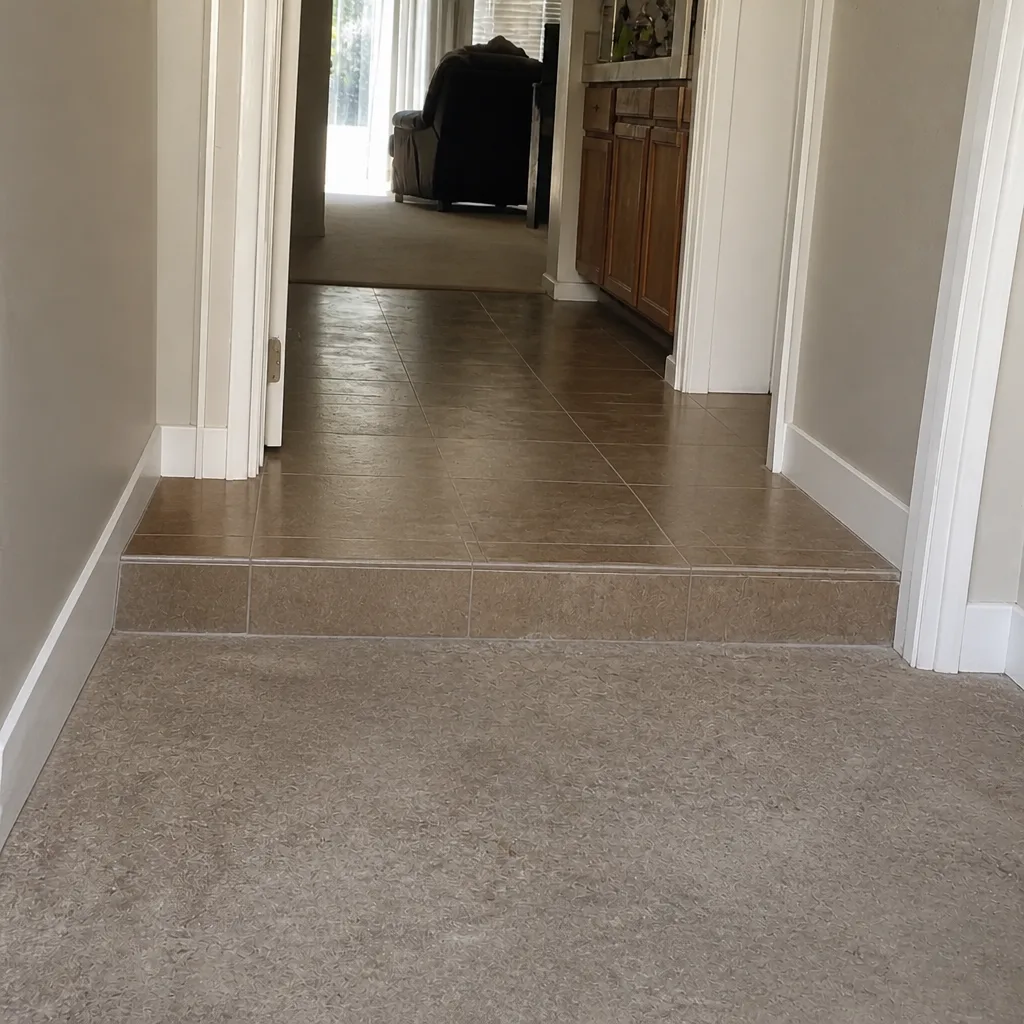 After
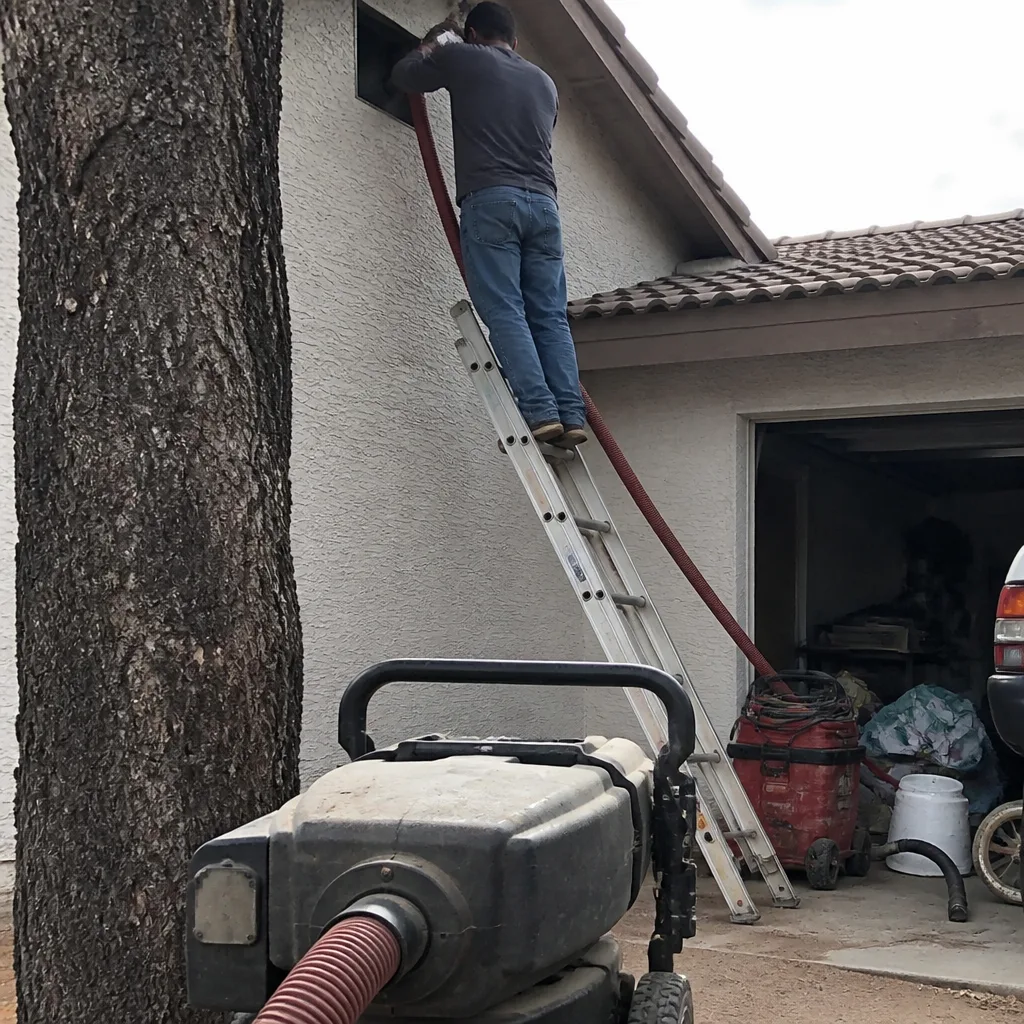 Before
 After
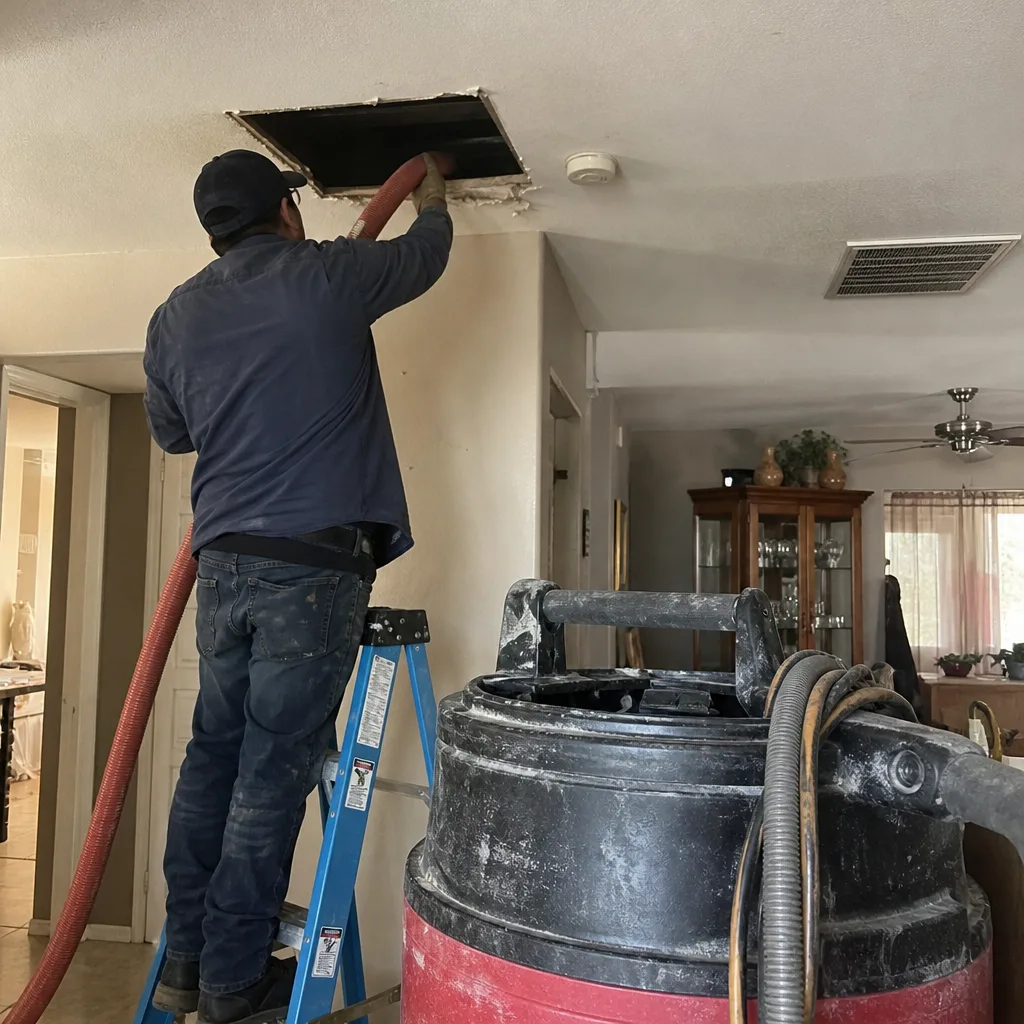 Before
 After