
Last updated November 16, 2026
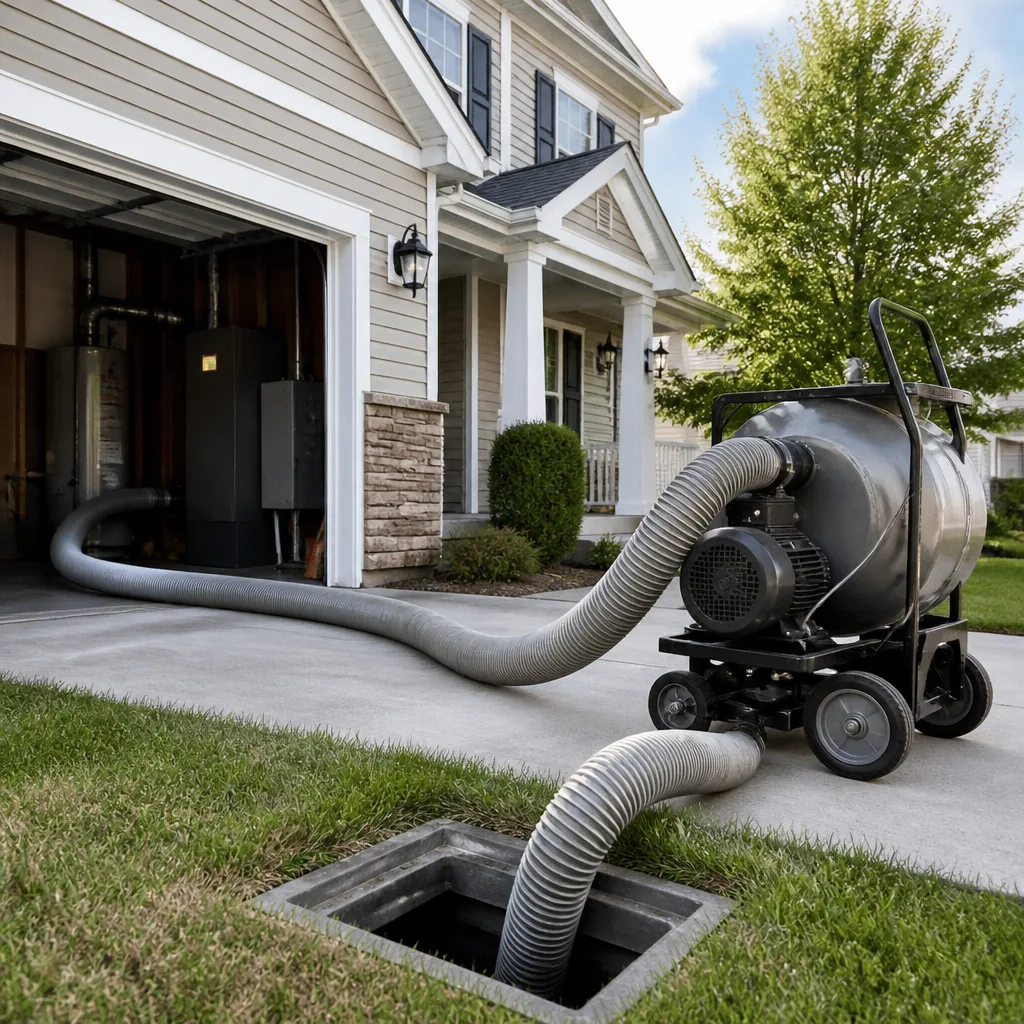 Whole-home duct cleaning
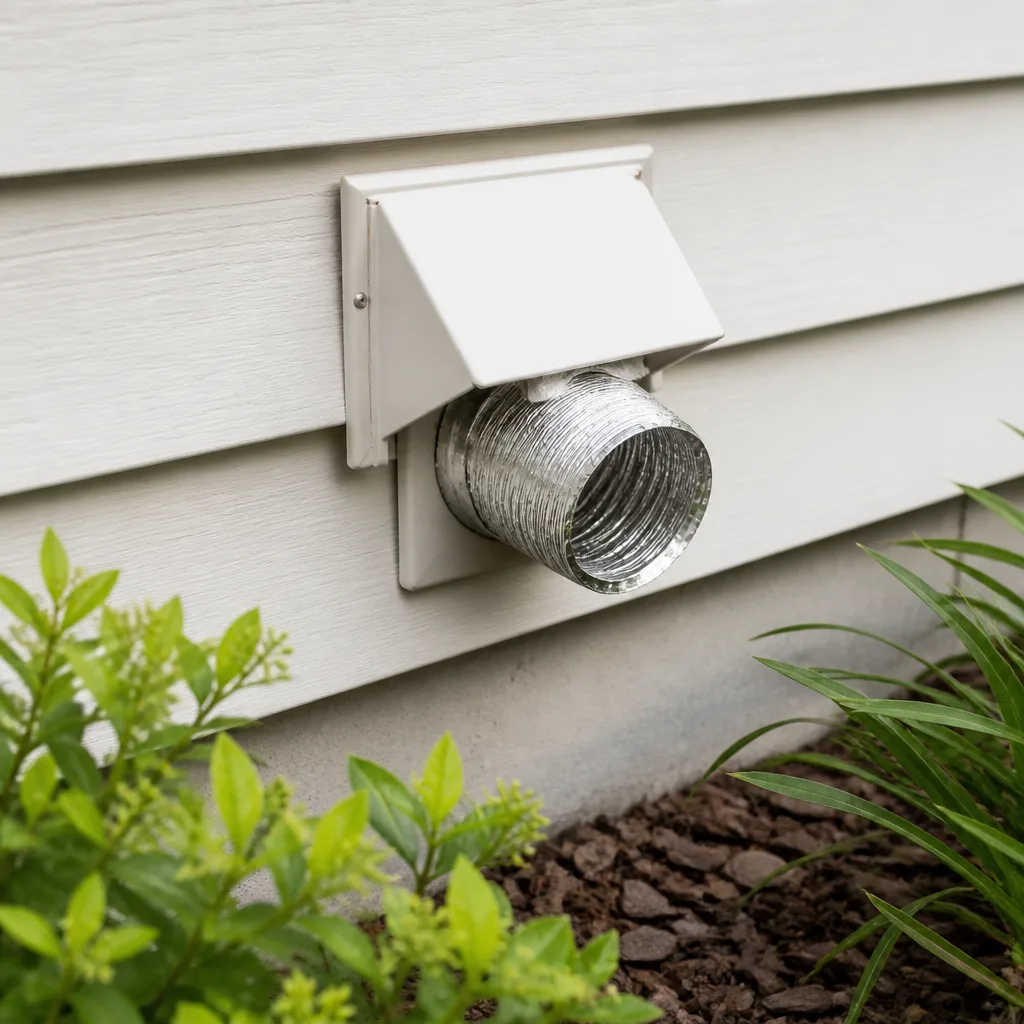 Dryer vent cleaning
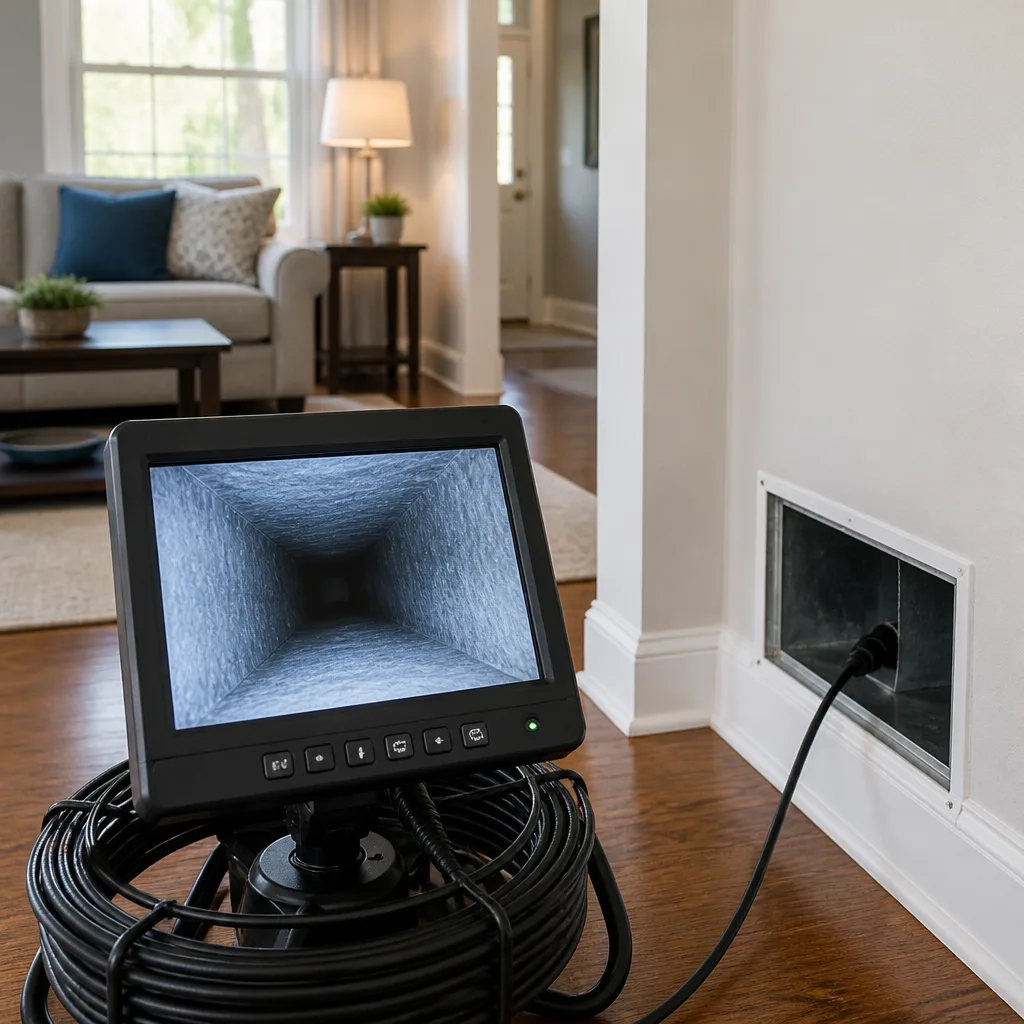 Camera inspection
 Sanitizing & deodorizing
Whole-system duct and dryer vent check with before-and-after photos - you see exactly what came out of your vents
That "$99 whole-house special" is a bait ad - the real number appears once they are in your hallway, or the "clean" is a shop-vac at the register. We photograph the inside of your ducts before and after instead.
Air Duct Cleaning Troubleshooting in Avondale: Common Problems and How to Fix Them
If one room in your house runs 8°F hotter than the rest, your ducts are almost certainly the reason, not your HVAC unit. That surprises a lot of homeowners in Avondale, who spend money on a bigger condenser or a new thermostat before anyone has looked inside the duct system itself. Duct trouble isn’t random. It throws off specific, repeatable symptoms, and each symptom points to a different cause: blockage, a leaking joint, a crushed run of flex duct, or a register that was never balanced in the first place. This guide maps the symptoms you’re seeing to the underlying cause and tells you which problems you can handle yourself and which ones need a trained eye and professional equipment.
Quick Answer
Most duct problems in Avondale come down to one of four causes: dust and debris buildup, air leaks at joints and connections, collapsed or disconnected flex duct in the attic, or an unbalanced system starving one part of the house of airflow. You can check filters and register airflow yourself, but confirming a blockage versus a leak usually requires pressure readings or camera inspection. Repairing or cleaning the system is best handled by a duct specialist.
Styles & brands we work with
- Whole-home duct cleaning
- Dryer vent cleaning
- Camera inspection
- Sanitizing & deodorizing
Table of Contents
- Symptom-to-Cause Map: What Your Ducts Are Telling You
- Why Avondale Dust Builds Up Differently
- The DIY Checks Worth Doing Before You Call Anyone
- How to Run a Register Airflow Test
- Blockage vs. Leak: How Professionals Tell Them Apart
- Filters and Filtration: What Works and What Masks a Problem
- What Duct Repair Actually Involves
Symptom-to-Cause Map: What Your Ducts Are Telling You
Here’s the framework we work from when we troubleshoot a duct system in Avondale. Before anyone touches a piece of equipment, match the symptom to the most likely cause. That saves time and gives you a real basis for asking questions.
- One room consistently warmer or cooler than the rest: usually a balance or airflow problem. It can be a run that’s sized wrong, a damper stuck closed, or a supply register that closes itself off with static pressure. This is the single most common complaint.
- Weak airflow at every register, widespread: points to a central restriction. A heavily loaded filter, a blower issue, or debris buildup in the main trunk.
- Dust visible on the register grille and reappearing within a week or two: buildup inside the duct run feeding that register, or a leak drawing in dust from an unconditioned space.
- Whistling or a rushing sound at a vent: the duct is undersized for the airflow it’s being asked to move, or a joint is pulling air through a gap.
- Higher energy bills with no change in habits: a leaking duct system is dumping conditioned air into the attic before it ever reaches a room. In Avondale this is especially expensive, because you’re paying to cool air that never makes it into the living space.
- New dust near a ceiling vent after a remodel or roof work: a disconnected or crushed flex run, or debris pulled into the system during construction.
Each of these points a technician toward a different fix. The mistake is treating a balance problem like a cleaning problem, or a leak like a blocked duct. They’re separate jobs, and they use different tools.
Why Avondale Dust Builds Up Differently
Dust is dust, right? Not in this part of the desert. Avondale sits in an area where caliche and fine, powdery desert particulate are part of daily life. Caliche is the hard, calcium-carbonate-rich deposit common in desert soils, and when it breaks down into fine particles they’re heavy and abrasive. When it gets drawn into a return and settles in the ductwork, it doesn’t coat the walls the way dust does in a humid climate. It collects in low spots and on horizontal runs, and it holds its shape rather than turning into a wet paste. That buildup restricts airflow differently than what you’d see in the Midwest or the South. In a humid climate, organic dust can clump and turn gummy. Here, it stays dry and powdery, which means it lifts easily during cleaning but it also re-suspends and settles into a fresh layer if the source isn’t addressed.
The dry air is the second half of the story. Very low humidity means no moisture to soften the accumulation. Fine particulate sits on duct floors and register grilles and simply waits. The same dry air means static cling pulls fine dust onto grilles; that dark deposit on the inside of a ceiling vent is likely a mix of household dust, desert particulate, and whatever the return pulled in through an open attic gap.
What this means practically: a filter change helps, but it doesn’t clear the duct interior. If you’re noticing consistent dust returning across multiple rooms in an Avondale home, you’re looking at accumulated buildup that needs a systematic cleaning, not a fresh filter.
The DIY Checks Worth Doing Before You Call Anyone
Before you pick up the phone, do the simplest checks. They rule out the obvious and often save you a service call entirely. Some problems really are just a closed register or a filter that hasn’t been changed. Do the safe, accessible things; leave the attic and the duct interior alone.
- Change the filter first. A lot of “weak airflow” complaints get resolved by a filter that should have been swapped weeks ago. Look at the current filter against a light. If you can’t see through it, it’s blocking the system.
- Open every register and confirm the dampers are open. If a room is consistently off, check that the vent vane isn’t closed. It happens more than you’d think, especially in a rental or a recently sold home.
- Shine a flashlight into a ceiling or floor register. You can see the first few feet of the duct. Look for a dark coating on the walls, debris that’s slid to a low spot near the grille, or a gap where the duct connects to the register boot.
- Do a quick paper test at each register. Hold a piece of tissue or toilet paper near a supply vent while the system is running. It should flutter strongly. If it barely moves, or another register pulls the paper toward it (suction instead of blowing), that’s a sign of a flow or balance problem.
- Walk the house and note the temperature swing. With the system running for a while, compare the warmest room to the coolest. A consistent gap of several degrees is a balance concern; a gap of 8°F or more points at the ducts directly.
- Look near the air handler for obvious flex duct trouble. Without climbing into the attic or opening panels, check what’s visible. Flex duct that runs long and slack rather than taut, or kinks sharply to fit a run, is a common source of collapsed runs. If you can see a slack, kinked, or disconnected duct end without strain, note it.
That last point is where do-it-yourself usually stops being a good idea. A collapsed flex run or a disconnected connection is a repair. It requires access, correct material, and proper sealing.
How to Run a Register Airflow Test
The register airflow test is the single most useful thing you can do before you call for help. It’s low-tech and it tells you exactly where the problem lives.
Run this test with the system fully on, so the fan has been moving air for a few minutes. Go to each supply register and use a strip of tissue held about an inch from the grille. Note how strongly it flutters, and compare register to register. Note the direction of flow. Then repeat at the return registers. If you have a simple handheld thermometer, take a reading in each room and write it down side by side.
What the results tell you:
- Two or three registers weak, and one strong: a partial blockage in the trunk serving those runs, or a balance problem in the branch feeding them.
- Every register weak: a central restriction – filter, blower, or obstruction in the main trunk.
- One register with no airflow at all: a disconnected run, or a damper that’s fully closed inside the duct wall where you can’t see it.
- Airflow that changes during the day: balance issues and pressure changes, common in multi-zone homes in Avondale where the thermostat’s zone control sends air to different parts of the house.
A pro’s read of the same test goes further because the checks include the inside of the duct. In our experience, most weak-airflow complaints trace to a filter, a closed damper, or a leaking connection – in that order. Less often, it’s a genuine restriction that needs a camera to find.
Blockage vs. Leak: How Professionals Tell Them Apart
From the living room, a blockage and a leak can look identical: weak airflow, uneven temperature, higher bills. Inside the system, they’re entirely different problems and they get different fixes. Knowing which one you’re dealing with is the core of what a duct specialist brings to an Avondale home.
During a professional inspection, the technicians use two main signatures:
- Static pressure readings. A gauge measures pressure at the supply and return sides. A blockage raises pressure on the supply side and drops it on the return side. A leaking duct system shows a pressure imbalance that doesn’t match the airflow pattern a restriction would produce – the system is moving air, but it’s moving some of it into the attic or a crawlspace.
- Camera inspection of the duct interior. A borescope-style camera travels the run and shows hairline cracks, separated joints, collapsed flex duct, and debris buildup directly. This is where the answer becomes obvious. What looks like a blockage on paper can turn out to be three small leaking joints dumping air into unconditioned space.
The equipment matters here. We use Rotobrush and Nikro professional systems, plus Abatement Technologies negative-air machines for jobs requiring containment and HEPA filtration. Those tools let a technician clean and inspect at the same time rather than guessing from the discharge temperature. The signature matters because a leak left alone gets worse. Sealing a leak means the system is no longer dumping cooled air where nobody needs it. If a leak is also pulling in attic dust, sealing it means fewer particles re-suspending and landing on your registers.
An honest professional also confirms what’s inside the duct before recommending the fix. Negative pressure readings on their own point to a problem; the camera confirms the cause. When both line up, you’re dealing with a defined repair, not a sales pitch.
Filters and Filtration: What Works and What Masks a Problem
Filter changes are the most common piece of duct advice and the most misunderstood. A good filter protects equipment and traps particulates, but a filter change by itself won’t clean out a duct interior. And the wrong filter, or a filter that’s too restrictive for the setup, can create a fake “duct problem” by choking airflow at the air handler.
A few things to sort through:
- Match filter to system, not to maximum MERV. A very high-MERV filter in a system with tight ductwork can drop static pressure dangerously low. The right filter for your equipment is the one the system was designed for.
- Change on a schedule appropriate to the house. In dusty parts of Avondale, a filter can load faster than the manufacturer’s schedule suggests. Check it monthly during heavy-use periods and compare it against a light. If it can’t be seen through, it’s done.
- Filtration equipment attached to the system matters. Whole-home media cabinets and air-quality accessories, like those in the Honeywell and Aprilaire lines, are part of the airflow path. When we clean the duct system and we encounter one of these, we can recommend or service the filtration equipment rather than just cleaning around it.
- A properly filtered system still accumulates material in the ducts over time. Filtration slows buildup but doesn’t prevent it completely. That’s normal. The question is whether the buildup is heavy enough to restrict flow.
If filter changes and vent checks don’t solve the airflow complaint, the next step isn’t another filter. It’s confirming what’s in the duct system.
What Duct Repair Actually Involves
Duct repair is the part of a duct problem that cleaning alone can’t solve. A crumbling flex connection or a collapsed run can’t be cleaned back into shape. Some duct-cleaning companies leave that for another contractor. That’s why we offer duct repair as its own service. Finding a problem and fixing it in the same visit saves a second appointment and a second company.
A typical repair visit involves:
- Mapping the system. The technician identifies each run and documents its state with camera views and notes. This gives you the reasons, not just a recommendation.
- Sealing joints and connections. Most leaks happen where duct meets register boot, where flex run meets main trunk, or at takedown joints. Correctly sealed connections close the leaks and stop attic dust from being drawn back in.
- Replacing failed sections. Collapsed, torn, or oversized-then-crimped flex runs are replaced with properly sized material. Runs that kink or sag inside the attic are corrected.
- Rechecking airflow. After repair, the same static pressure readings confirm the fix. If registers now move air evenly, the problem is corrected.
The reason this matters in Avondale is that attic environments run hot much of the year. Duct runs in an unconditioned attic are exposed to real temperature swings. Proper installation is what keeps the run performing.
Common Mistakes to Avoid
- Replacing the AC unit and ignoring the ducts. If one room is 8°F hotter than the rest, a bigger unit won’t fix it. It will just push more air into the same restricted runs.
- Assuming every airflow complaint is “dust buildup.” Most of the complaints we diagnose are filter, damper, or balance problems before they’re buildup. Cleaning a duct system with a balance problem doesn’t fix the balance problem.
- Buying the cheapest duct cleaning in Avondale and expecting a full inspection. Some quotes exclude camera inspection, repair, or the return side of the system. Confirm the scope in writing before anyone starts.
- Using “duct cleaning” as a cure for mold concerns or pest issues. Our scope is cleaning, dryer vent cleaning, and duct repair. If you suspect mold, that’s a remediation specialty separate from duct cleaning. Ask what the job actually covers.
- Skipping a flashlight check and guessing. Look at the duct interior and check the register airflow first. You’ll ask better questions and get a more accurate answer.
- Leaving a collapsed flex run unrepaired because it was found during cleaning. Cleaning around a broken run doesn’t make the run work. Fixing it is the whole point.
- Never checking the dryer vent until it clogs. Dryer exhaust is a fire risk, and it’s the single most safety-focused part of our work. It’s also the simplest thing to inspect once you know it’s part of the picture.
See the difference
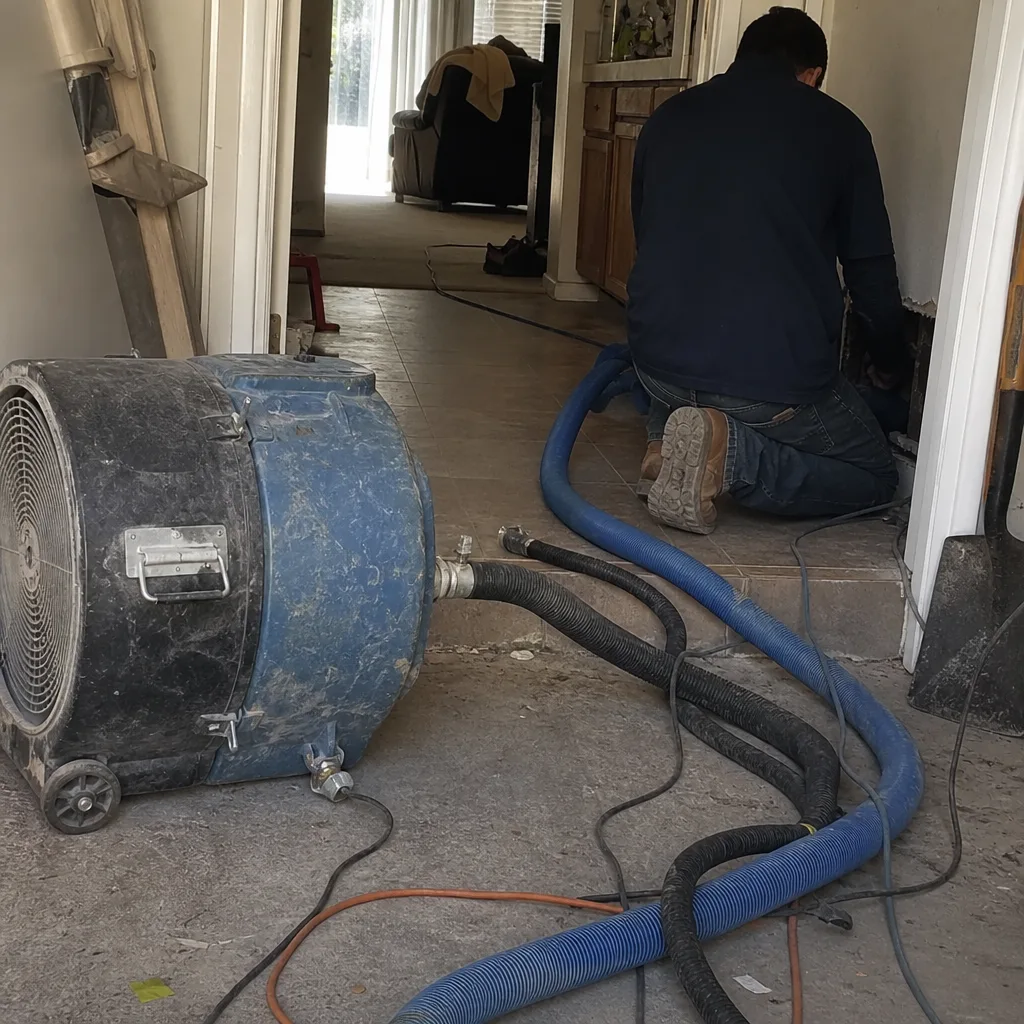 Before
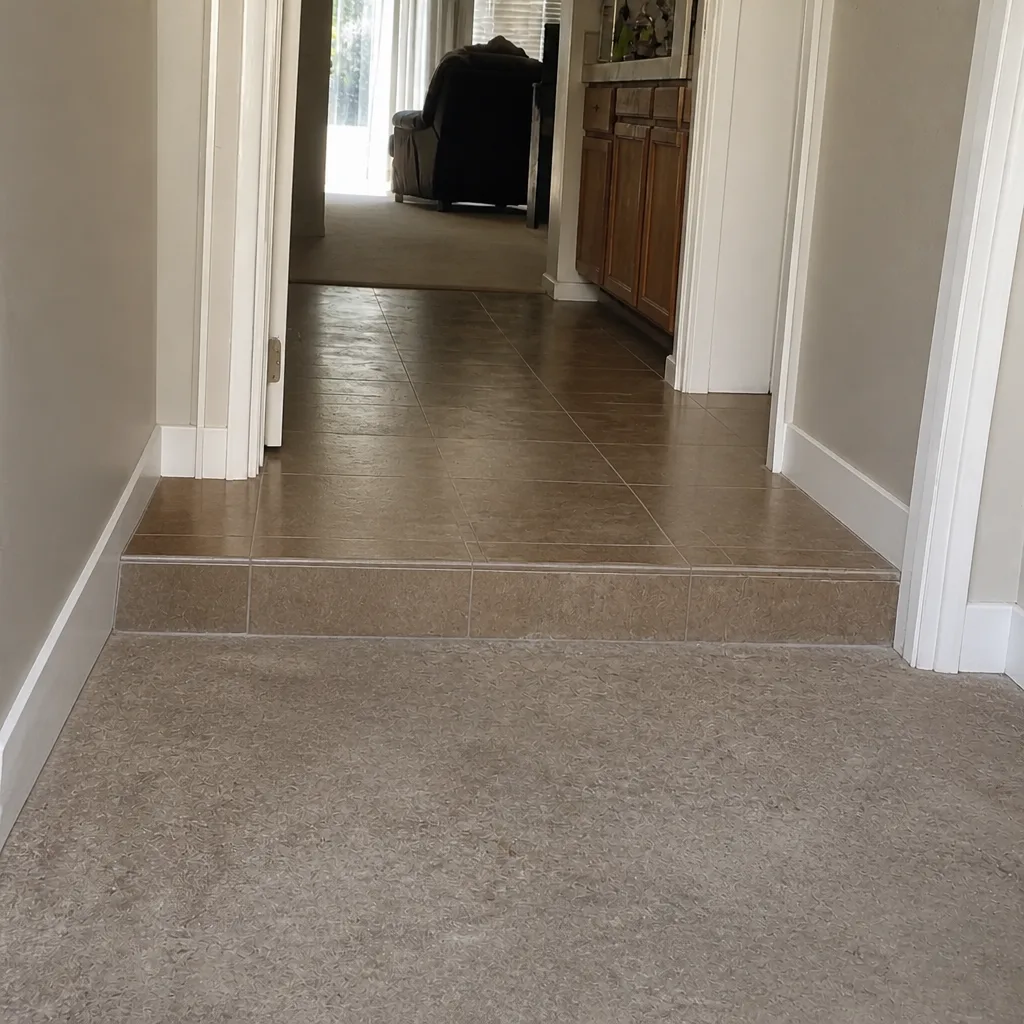 After
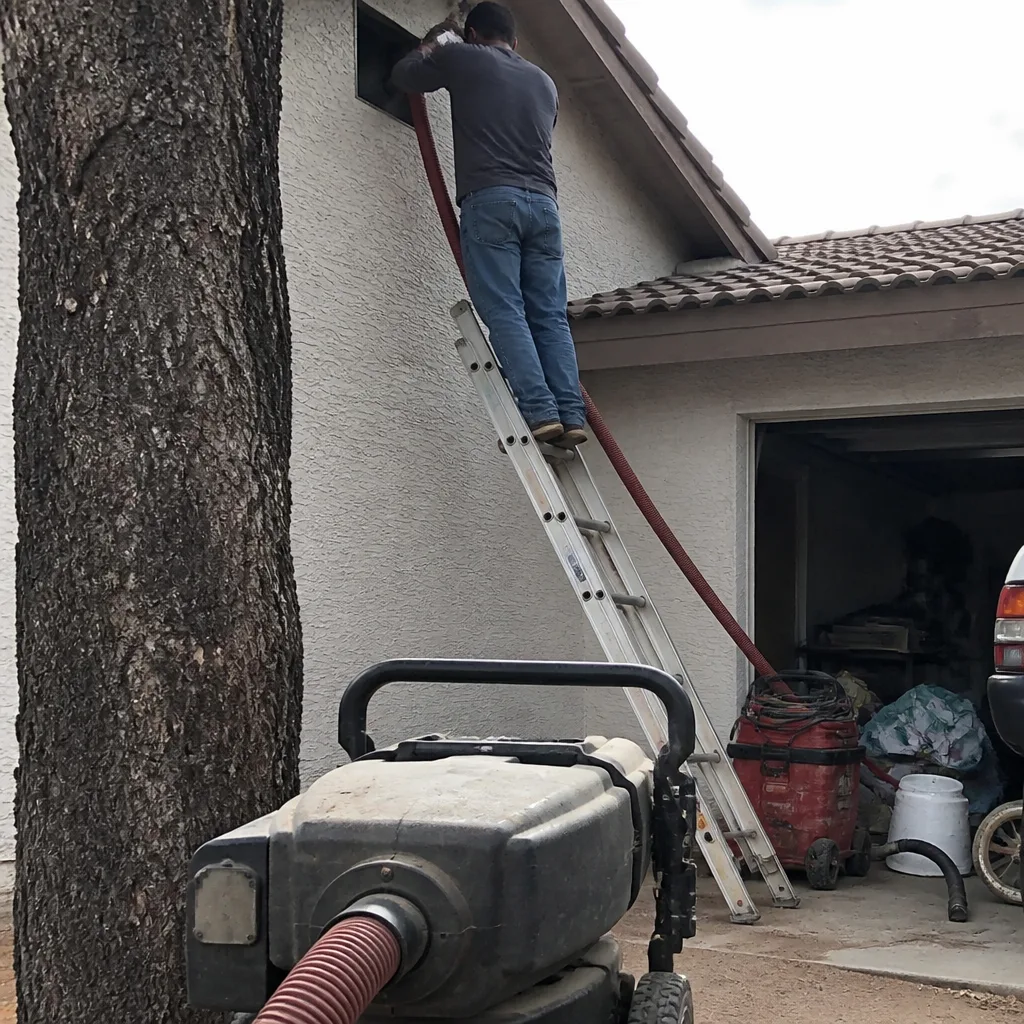 Before
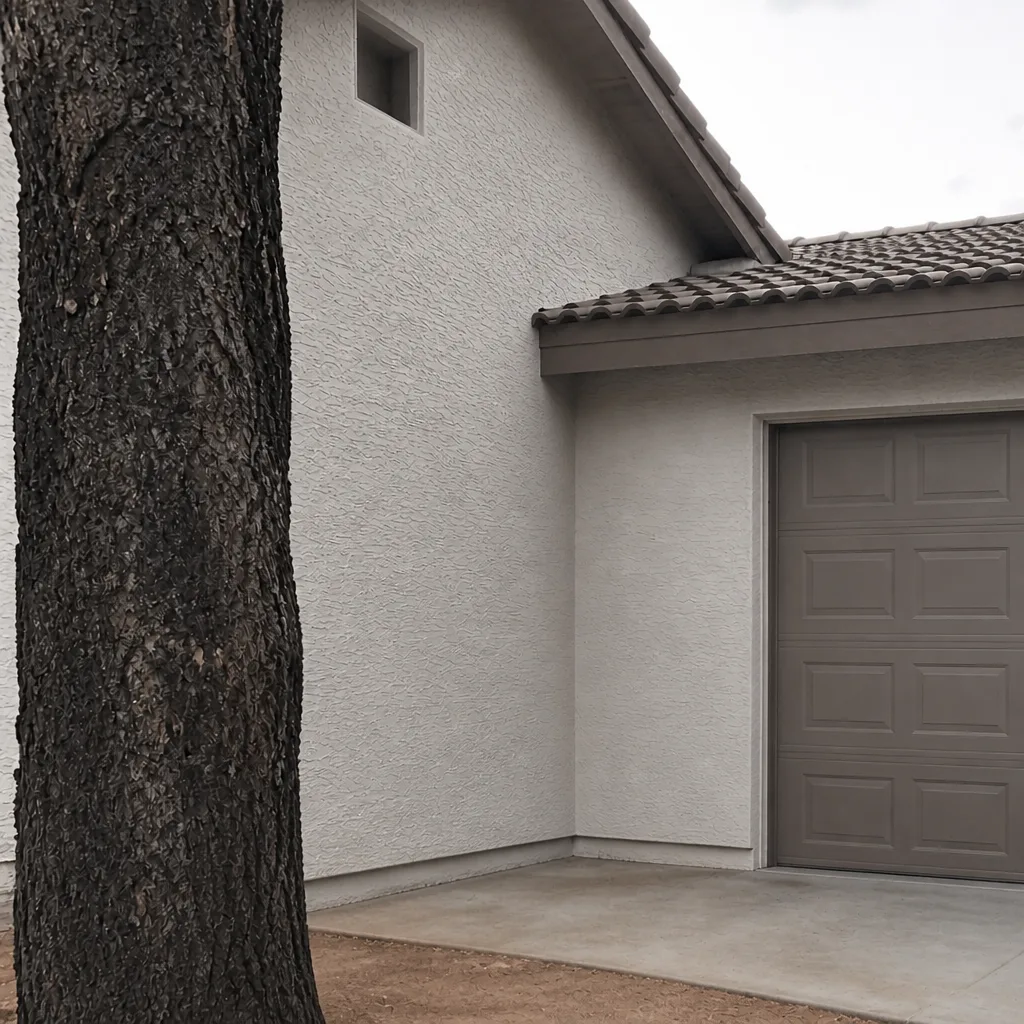 After
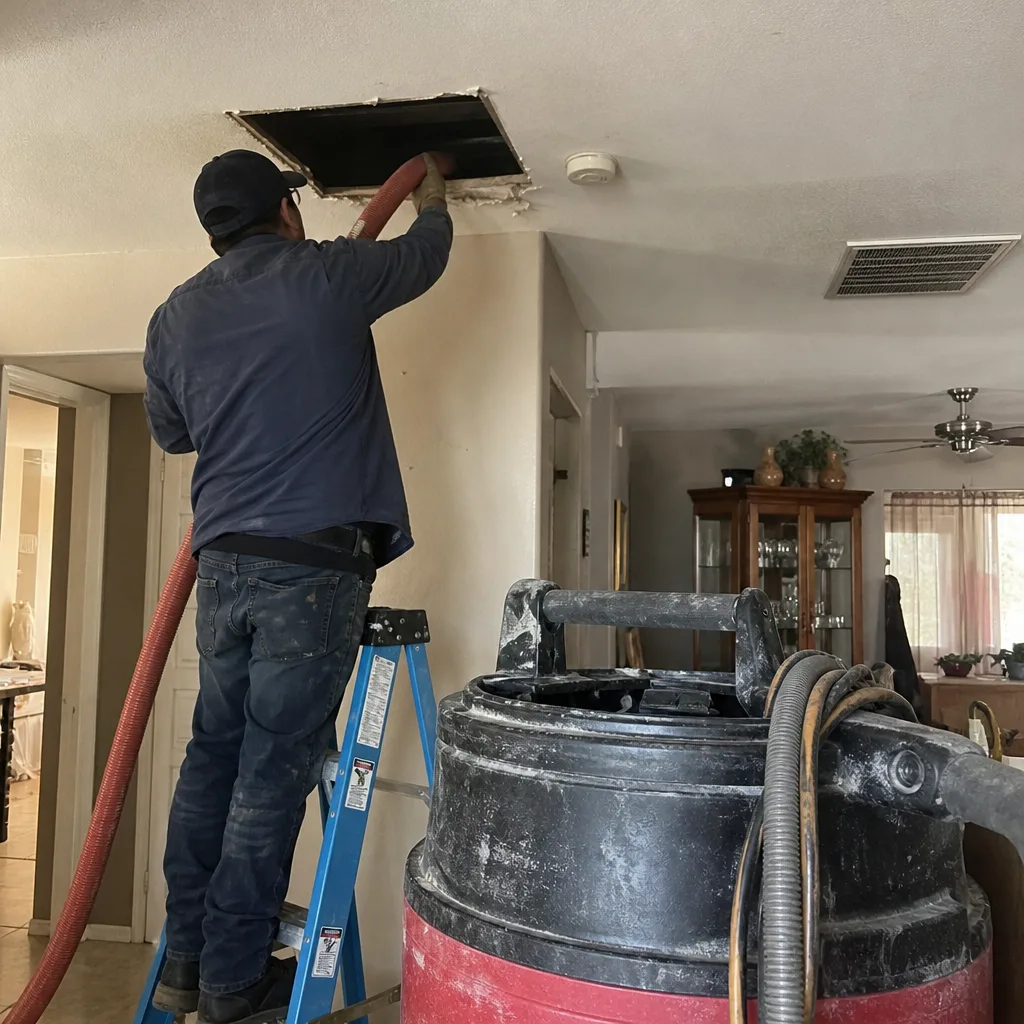 Before
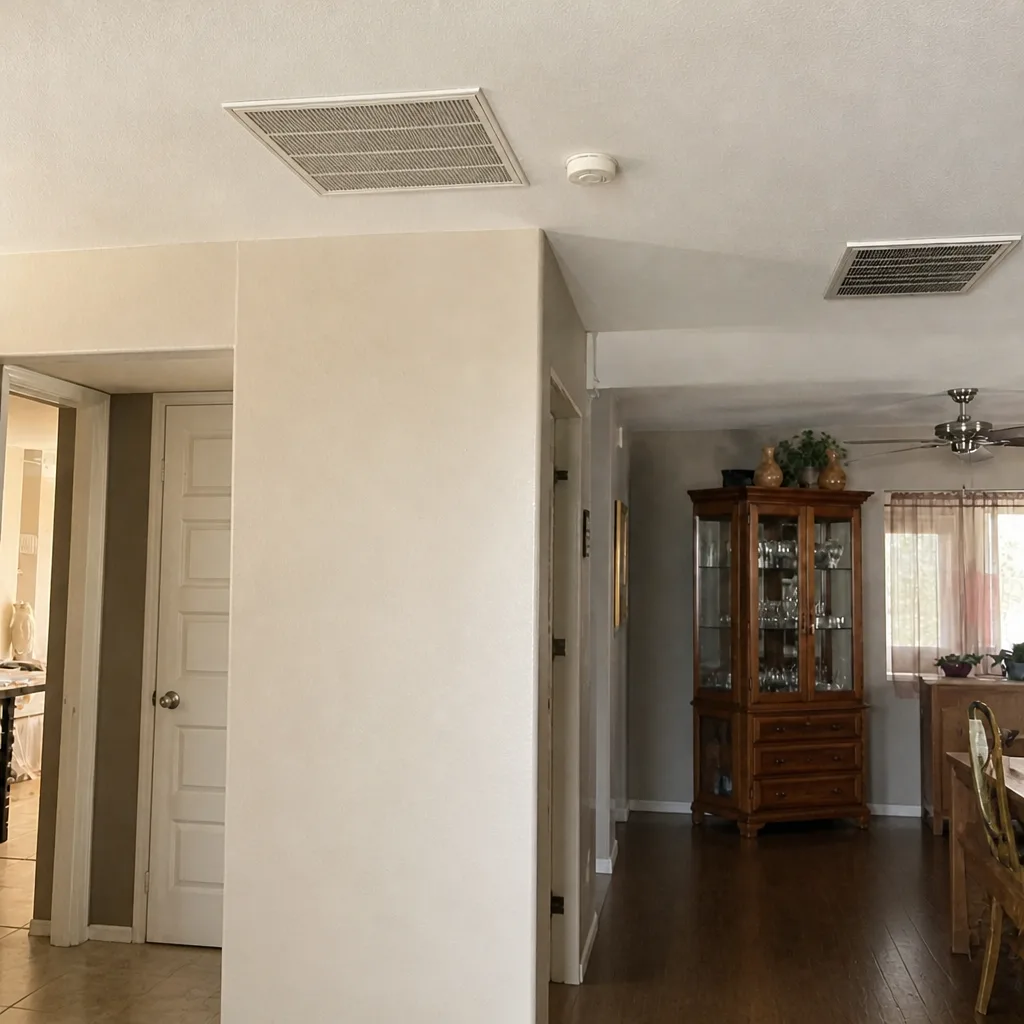 After
When to Call a Professional
Call a professional when a DIY check doesn’t resolve the symptom, when you see slack or disconnected flex duct in an attic, when the register airflow test shows no airflow at a vent, when dust returns to the same register within a week or two, or when you’ve changed filters on schedule and one room is still hotter than the rest. Same goes for anything you can’t safely reach. Attics in Avondale are hot, and getting the system right is worth doing properly. We answer 24/7 at (866) 361-9304 and offer free estimates. Call to talk through what you’re seeing; a technician can run the checks with professional equipment and give you a clear answer, then a written estimate. Duct Cleaning Avondale is staffed by technicians who have up to 9 years of experience working on duct systems specifically, not spread across unrelated trades.
Frequently Asked Questions
Most residential whole-system cleanings in the Avondale area fall in the range of a few hundred dollars, and the exact figure depends on the size of the system, how many runs it has, and condition. We give one flat price per system, agreed on the written estimate before any work starts. There’s no per-vent pricing and no teaser coupon that grows into a bigger invoice. The written estimate is the final number. Call (866) 361-9304 for an exact quote; estimates are free.
No. A filter traps particles before they reach the duct interior, but it doesn’t clean material already sitting on duct walls and low spots. In dusty parts of Avondale, buildup can collect on the horizontal runs regardless of a good filter. Filtration slows the rate at which ducts load; it doesn’t reverse it.
The cheap quote is usually a smaller scope. Some services clean only the supply side and skip the return, skip camera inspection, and skip repair. Others quote a teaser number and raise the price on site once they’re inside. We give one flat price per system in writing before the work starts, and include before-and-after photos of your own ducts. The estimate you sign is the price you pay. Call (866) 361-9304 for the exact quote.
Ask for before-and-after photos of your own ducts, not stock images. A camera inspection of the run gives you what a picture on a brochure can’t. Our technicians document what they find and provide before-and-after photos, so you’re looking at your system, not a catalog.
There’s no single schedule that fits every home. In Avondale, pet owners and homes near areas with heavier dust loads tend to need it on a shorter interval than a household with fewer occupants and no pets. A filter change and a register check are worth doing every few months. Whole-system cleaning is usually driven by evidence – consistent dust return, weak airflow, or a visible buildup – rather than a fixed calendar.
Often, yes. A clogged dryer vent is a common cause of longer dry times, and it’s also the reason this is a safety item, not just a convenience. A single visit clears the vent path. We treat dryer vent cleaning as its own safety-focused service. If your dryer is running longer, don’t wait for it to stop working altogether. Call (866) 361-9304 to get an estimate.
The Bottom Line
Duct problems in Avondale tend to be specific and diagnosable rather than mysterious. Match the symptom you’re seeing to the most likely cause: uneven rooms point to balance, universal weak airflow points to a central restriction, and returning dust points to a leak or buildup. Do the checks you can do safely, filter and registers first, and let the results guide you. When the answer isn’t obvious, the difference between a blockage and a leak is the difference between a cleaning and a repair, and confirming which one is which takes professional equipment. We clean with Rotobrush and Nikro systems, use Abatement Technologies negative-air equipment where containment is required, and offer duct repair as a standalone service so a problem found during cleaning gets fixed in the same visit. Whether you’re dealing with mystery airflow issues or want a straight answer on what’s inside the ducts, we’ll give you one. If you’d like a plain-language walkthrough before you commit to anything, take a look at air duct cleaning and then Avondale, or just call us.
For a free estimate on air duct cleaning, dryer vent cleaning, or duct repair in Avondale, call (866) 361-9304. We answer 24/7, with fast dispatch from 7am to 7pm, Sunday through Friday.
Written by the team at Duct Cleaning Avondale.