
Last updated November 16, 2026
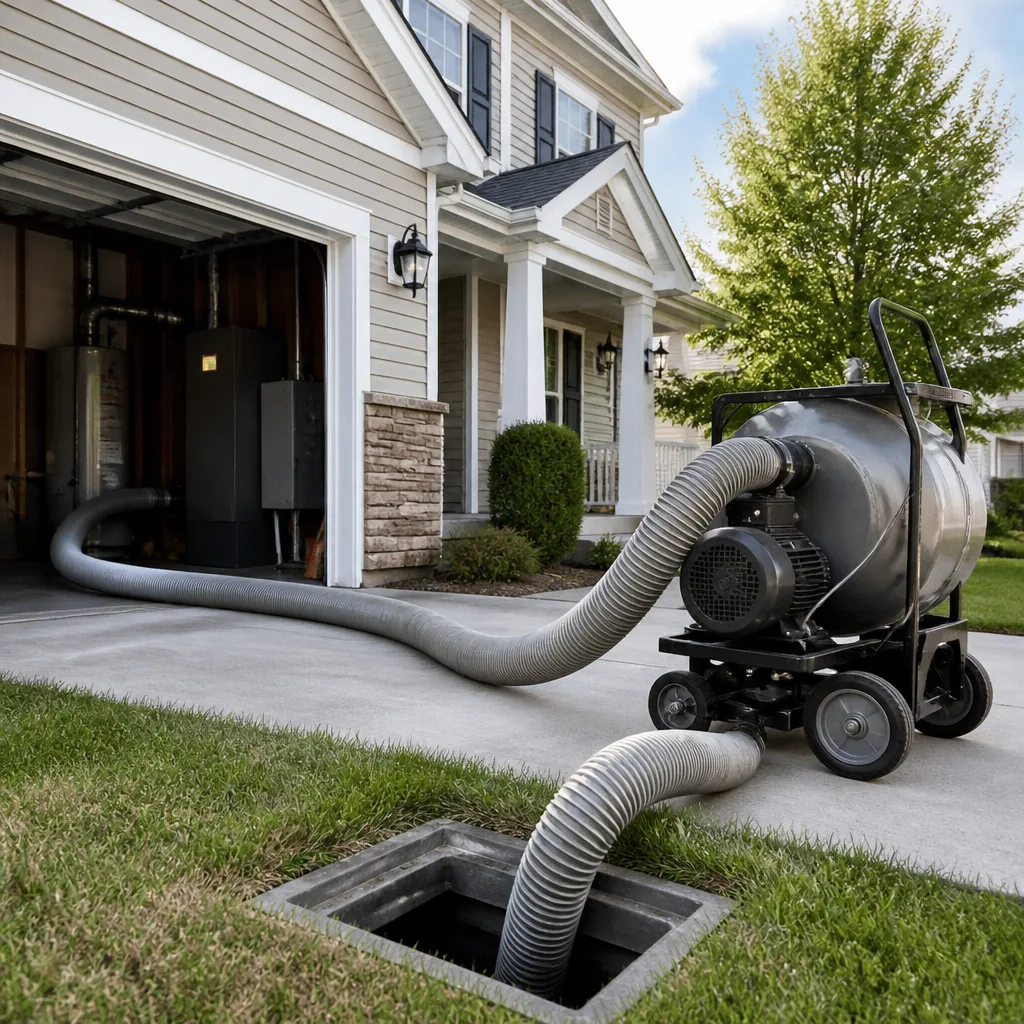 Whole-home duct cleaning
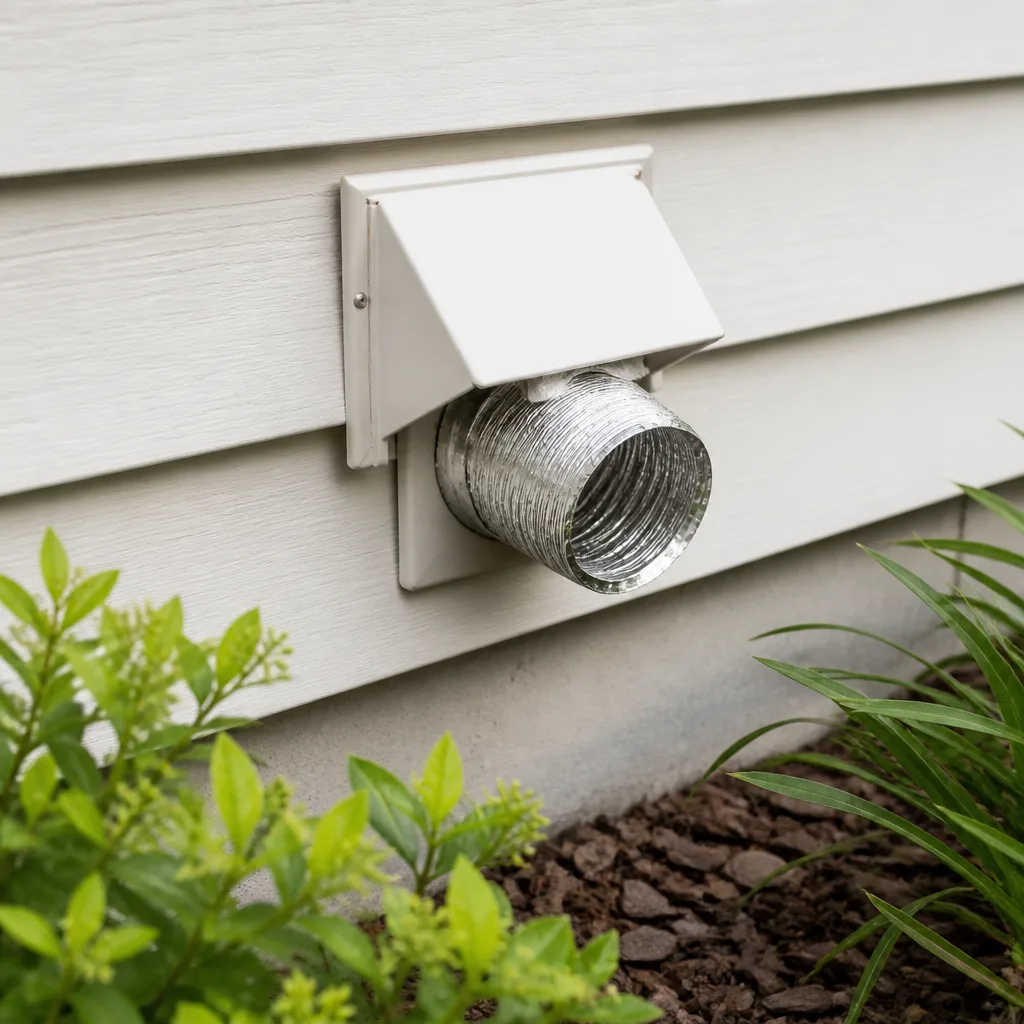 Dryer vent cleaning
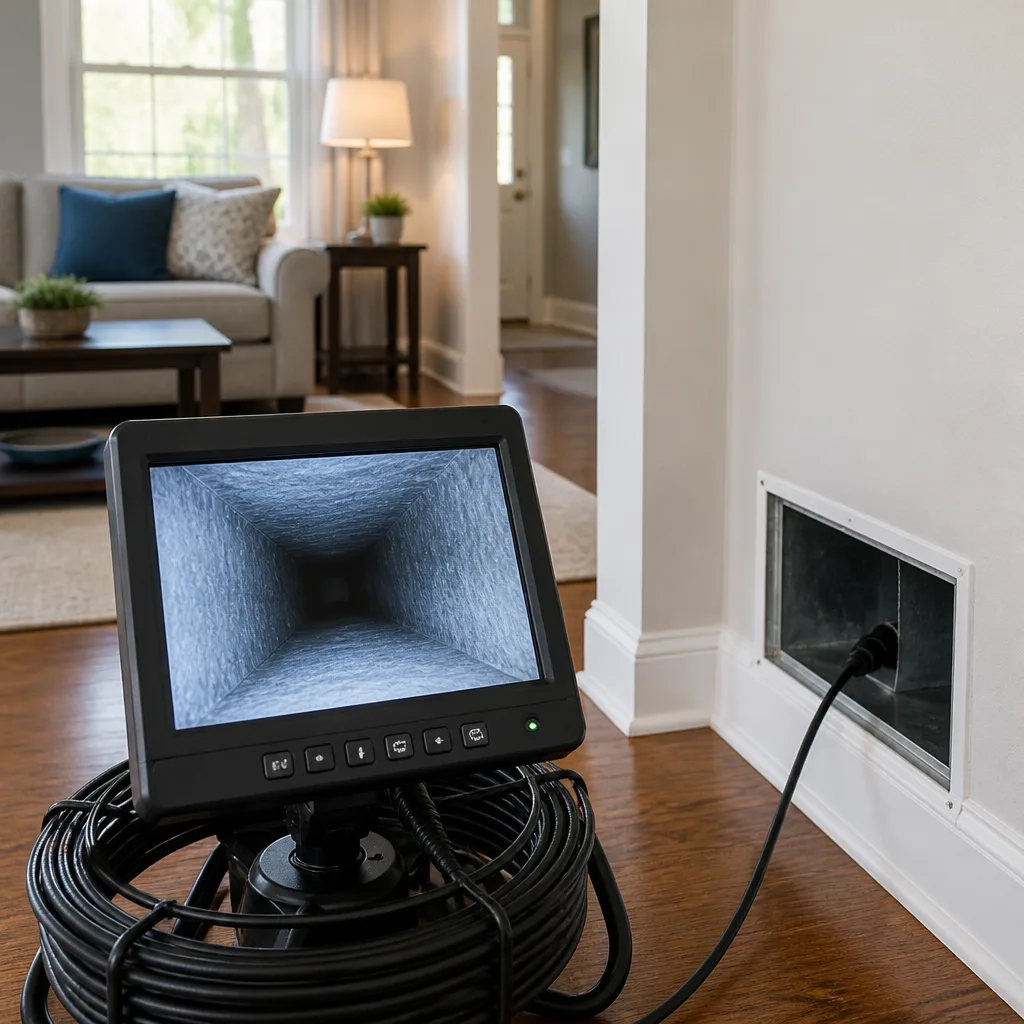 Camera inspection
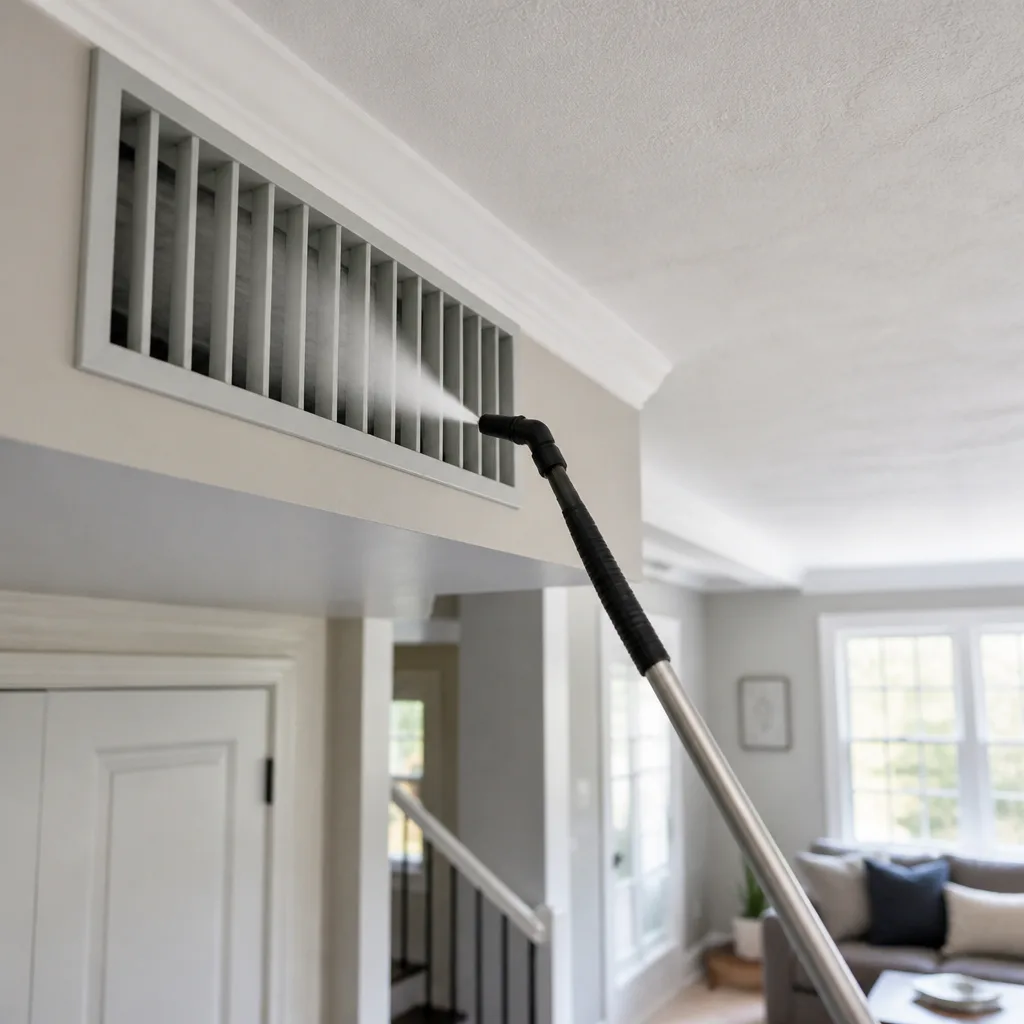 Sanitizing & deodorizing
Whole-system duct and dryer vent check with before-and-after photos - you see exactly what came out of your vents
That "$99 whole-house special" is a bait ad - the real number appears once they are in your hallway, or the "clean" is a shop-vac at the register. We photograph the inside of your ducts before and after instead.
Air Duct Cleaning Maintenance Schedule: What to Do and When
Most duct cleaning advice hands you a number and sends you on your way: every three to five years, no questions asked. That calendar ignores everything that actually fills a duct system. A household with two shedding dogs in Avondale loads its return ducts at a very different rate than a single occupant with no pets, and a home that just finished a kitchen remodel is working with a different problem entirely. Treating those three homes on the same schedule is how people either waste money on a cleaning they didn’t need or wait too long and let a small dust problem turn into a repair bill. What follows is a schedule built around the variables that drive buildup in a desert climate: pets, occupancy, renovation, allergy history, and how hard your system runs. By the end you’ll know when to book, what to check between cleanings, and how to time the work around Avondale’s dust and monsoon seasons.
Quick Answer
Clean your air ducts when the household factors call for it, not on a fixed clock: most homes need a professional cleaning, air duct cleaning, every three to five years, but homes with multiple pets, recent construction dust, or allergy sufferers often need it every two to three years. In Avondale, the two best windows are right after monsoon season ends in September and after the spring dust storm season. Check your filter monthly, watch for visible dust at the registers, and log your system’s run hours so you’re scheduling on evidence rather than a guess.
Styles & brands we work with
- Whole-home duct cleaning
- Dryer vent cleaning
- Camera inspection
- Sanitizing & deodorizing
Table of Contents
- Why a Fixed Five-Year Rule Doesn’t Work Here
- The Four Household Variables That Set Your Schedule
- Timing Your Cleaning Around Avondale’s Seasons
- New Construction Homes and Drywall Dust
- What to Inspect and Log Between Cleanings
- How Filter Grade Changes Your Cleaning Interval
- Building Your Tiered Maintenance Schedule
- When the Problem Is a Repair, Not a Cleaning
Why a Fixed Five-Year Rule Doesn’t Work Here
A flat cleaning interval assumes every home generates debris at the same rate. They don’t. A household with two shedding dogs takes in and sheds far more hair and dander than a single-occupant home with no pets, and that difference shows up inside the return plenum within a couple of seasons. In our experience, the gap between a busy pet household and a quiet one can be nearly threefold in how fast ducts load up. That’s the whole case against the generic rule.
Avondale adds its own variable. This is a desert valley community with fine airborne dust that finds its way into return grilles and settles on duct walls. When the system cycles, that dust gets pulled through and redistributed. Homes here see dust accumulation that has less to do with age and more to do with how often the system runs and how well the filter is catching what’s in the air. During the long cooling season, the system runs hard and moves a lot of air, which means it also moves a lot of dust.
So the question isn’t “is it time for a cleaning?” It’s “how has this specific home been generating debris?” A homeowner in Avondale who tracks filter changes, watches the registers, and knows their pets and dust load can make a far better call than any calendar can. That’s the framework this guide builds on: measure the household, then set the interval. The sections below break down each variable, give you ways to check it yourself, and show you how to put the pieces together into a schedule you can actually follow.
The Four Household Variables That Set Your Schedule
Four factors drive most duct buildup. Rate each one for your home and you’ll have a defensible cleaning interval instead of a number someone pulled out of the air.
1. Pets
Pets are the single biggest lever. Hair, dander, and tracked-in dust all migrate to return grilles and duct walls. One or two cats or a single short-haired dog might bump you from the standard interval down a year. Two or more shedding dogs, or any long-haired breed, can cut the interval meaningfully. If you’re vacuuming pet hair off the floors weekly, some of that same load is sitting in your return ducts.
2. Occupant Count
More people means more skin cells, more shed clothing fibers, and more foot traffic bringing dust in from outside. A family of five generates more duct debris than a couple in the same square footage. Add frequent guests or a home office with extra foot traffic and the load rises further.
3. Recent Construction or Renovation
Any drywall work, flooring replacement, or cabinet installation releases fine particulate that settles into the duct system. Even a modest remodel can push the inside of your ducts past the point a standard filter can manage. If the work happened in the last year or two, your first professional cleaning should come sooner than the standard interval.
4. Allergy and Respiratory History
If anyone in the home deals with allergies or asthma, the acceptable level of duct dust drops. The goal shifts from “it’s probably fine” to “keep the air as clean as reasonably possible.” That usually means cleaning on the shorter end of the range and paying closer attention to filter grade.
Scoring Your Home
- Count shedding pets. Two or more = high load. One = moderate. None = low.
- Count occupants. Four or more = high. Two to three = moderate. One = low.
- Note any construction in the last two years. Yes = high. No = low.
- Note allergy or asthma in the household. Yes = high. No = low.
- Add your high marks. Three or more high marks points to a two-to-three year interval. Two points to three-to-four years. One or none points to the four-to-five year range.
That gives you a starting interval. The next sections show you how to refine it with local timing and between-cleaning checks.
Timing Your Cleaning Around Avondale’s Seasons
When you clean matters almost as much as how often. Avondale has two distinct dust events each year, and scheduling around them keeps your ducts cleaner for longer.
Post-Monsoon: September
Monsoon season brings blowing dust and rain-driven particulate across the valley. Once the storms taper off in September, the dust that settled into outdoor spaces, garages, and entryways has usually found its way inside. A cleaning right after monsoon season clears out what accumulated over the summer and gives you a clean system heading into the quieter fall months.
Post-Haboob Season: Late Spring
The spring dust storm season, when haboobs roll through the valley, deposits fine particulate across everything. That dust gets pulled into return grilles quickly once the cooling system starts running hard. A late-spring cleaning after the dust storms settle catches that load before it cycles through the house all summer. If you only clean once a year and you’re in a high-load household, these are the two windows to aim for. Two cleanings in a heavy year, timed to the dust seasons, will do more than three cleanings spread randomly.
Why Timing Beats Frequency Alone
A cleaning in October holds up better through the winter than one in June, because the biggest dust events have already passed. A cleaning in March catches the spring load before the system works overtime. When you schedule around the local dust calendar, you get more mileage from each visit. Homes in Avondale that time their cleanings to the seasons tend to stay cleaner between visits than those that book whenever the reminder pops up. The system is the same; the timing is what changes.
New Construction Homes and Drywall Dust
New homes in Avondale’s expanding subdivisions carry a dust load that resale homes simply don’t have. Drywall installation, sanding, texture work, and finish carpentry all generate fine particulate, and much of it settles into the duct system before the home is even occupied. A new build often needs its first professional cleaning within the first year or two, not on the standard multi-year schedule.
The same applies to any significant renovation. A kitchen remodel, an added room, or a flooring replacement releases dust that a standard filter can’t fully catch. If the work involved cutting or sanding drywall, the duct system took on a load that’s worth addressing once the dust settles. Don’t wait for the standard interval to come around.
For new construction, the sequence matters:
- Finish all construction and final cleaning of the home’s surfaces.
- Replace the HVAC filter with a fresh one.
- Run the system for a few days to circulate air and settle any remaining dust.
- Book a professional duct cleaning to clear what settled into the ducts during the build.
- Log the date so your next interval starts from a known clean baseline.
Homes in newer Avondale subdivisions often have tight, well-sealed duct systems, which is good news for efficiency, but tight systems also trap construction dust effectively. That’s why an early first cleaning is worth it. It resets the clock and gives you a reliable starting point for everything that follows.
What to Inspect and Log Between Cleanings
The best way to know when your next cleaning is due is to track a handful of simple signals between professional visits. None of these require special tools.
Filter Change Dates
Write down the date every time you change the filter. A filter that’s loading up faster than usual is telling you the system is pulling in more debris. If a filter that normally lasts three months is dirty at six weeks, your duct load has gone up and it’s worth checking whether you’re due for a cleaning sooner.
Visible Dust at Registers
Look at your supply registers and return grilles. A light film is normal. A visible accumulation of dust or debris building up on the grille face, or dark streaking around the edges, is a sign the duct behind it is loaded. Check a few registers in different rooms; the return grille usually shows the problem first.
HVAC Runtime Hours
If your thermostat tracks runtime, note it. A system that runs many more hours per day is moving more air and collecting more dust. Higher runtime shortens the effective interval. In Avondale, the cooling season drives long runtimes, so summer months are when your ducts load fastest. Logging runtime gives you a concrete measure of how hard the system has been working since the last cleaning.
A Simple Log
- Date of last professional cleaning
- Filter change dates and filter grade (MERV rating)
- Notes on register dust levels (light, moderate, heavy)
- Any construction, renovation, or new pets since the last entry
- Any change in allergy symptoms in the household
Keep that log somewhere you’ll actually see it, like a note on your phone. When it’s time to decide whether to book, you’ll have real evidence instead of a vague memory. This is the difference between a schedule that works and one that’s just a guess. If you’re in Avondale and you’ve been tracking for a while, the log will usually make the decision obvious.
How Filter Grade Changes Your Cleaning Interval
The filter in your HVAC system is your first line of defense, and its MERV rating affects how much debris reaches the ducts. A higher-MERV filter catches more fine particulate before it gets into the system, which can extend the time between professional cleanings, if it’s used correctly.
What MERV Ratings Do
- Low MERV (1-4): Catches large particles like hair and lint, but lets fine dust through. Ducts load faster.
- Mid MERV (5-8): A reasonable balance for many homes. Catches more fine dust without restricting airflow too much.
- Higher MERV (9-12): Catches fine particulate well, but can restrict airflow in systems not designed for it. Check your system’s specs before stepping up.
Stepping up to a higher-MERV filter can buy you time between cleanings, but only if your system can handle the airflow restriction. A filter that’s too restrictive for your blower motor can cause other problems. The right move is to match the filter to your system and change it on schedule. A high-MERV filter left in too long is worse than a lower-MERV filter changed regularly.
Whole-Home Air-Quality Equipment
If you have a whole-home filtration or air-quality system attached to your HVAC, it changes the maintenance picture. We work with Honeywell and Aprilaire air-quality products, which means we can clean the ducts and also recommend or service the filtration equipment connected to them. A well-maintained filtration system can meaningfully extend your cleaning interval, but it needs its own upkeep. When we clean a duct cleaning in Avondale, we look at what’s attached to the system, not just the ducts themselves.
Building Your Tiered Maintenance Schedule
Put the variables together and you get a schedule you can actually follow. Here’s a tiered framework. Find the tier that matches your household and use it as your starting point.
Tier 1: High-Load Households (Clean Every 2-3 Years)
This tier covers homes with three or more high marks from the scoring section: multiple shedding pets, four or more occupants, recent construction, or allergy sufferers. These homes generate debris fast and should be on the shorter end of the interval. If you’re in Avondale and in this tier, aim to clean after monsoon season or after the spring dust storms, whichever comes first in your cycle.
Tier 2: Moderate-Load Households (Clean Every 3-4 Years)
One or two high marks puts you here. A single pet, a smaller household, no recent construction, no allergy concerns. The standard three-to-four year range works well, with cleaning timed to the dust seasons where possible.
Tier 3: Low-Load Households (Clean Every 4-5 Years)
No high marks, no pets, no allergy concerns, no recent construction. The four-to-five year range is appropriate. Even here, watch the between-cleaning signals; a change in circumstances (a new pet, a renovation) moves you up a tier.
Adjusting Your Tier
- Score your home using the four variables.
- Pick your starting tier.
- Log filter dates, register dust, and runtime between cleanings.
- If filters load faster than usual or register dust becomes visible, move up a tier.
- If things stay clean and filters last, you can stay in your tier or move down.
The schedule is a starting point, not a hard rule. The log tells you when to adjust. That’s what makes this framework useful: it responds to your actual home instead of a generic calendar.
When the Problem Is a Repair, Not a Cleaning
Sometimes the issue isn’t debris load at all. Loose joints, gaps at the plenum, disconnected runs, and crushed flexible duct can cause the same symptoms as a dirty system: dust at the registers, uneven airflow, higher energy bills. Cleaning a leaking duct system without addressing the leaks leaves the actual problem in place.
That’s why we treat air duct repair in Avondale as a standalone service rather than something bolted onto a cleaning. When we clean a system and find gaps or damaged runs, we can close and seal them in the same visit. That saves you from booking a second contractor and waiting for a follow-up appointment. The cleaning and the repair happen together, which is the practical advantage of working with a duct specialist rather than a generalist. If you’ve noticed a room that never gets good airflow or a register that’s pulling in dust from a gap, it’s worth having the system inspected rather than just cleaned. Repair is a separate problem from buildup, and it needs a separate diagnosis.
Our technicians have up to 9 years of experience with duct systems, and we use professional-grade equipment: Rotobrush and Nikro cleaning systems, plus Abatement Technologies negative-air machines on jobs that need containment and HEPA-level filtration. That’s the same class of tooling used in commercial and remediation-grade work, and it matters when a job involves both cleaning and repair.
Common Mistakes to Avoid
- Treating the five-year rule as gospel. A pet household and a single occupant can have very different duct loads in the same neighborhood. Score your home before you book.
- Cleaning in the wrong season. Cleaning right before monsoon or the spring dust storms means the biggest debris events hit a freshly cleaned system. Schedule after the dust settles.
- Ignoring the filter. A dirty filter lets debris through to the ducts. Change it on schedule, and match the MERV rating to what your system can handle.
- Waiting until you see dust at the registers. By the time it’s visible on the grille face, the duct behind it is usually well loaded. Track your signals instead.
- Cleaning a leaking system without repairing it. Gaps and disconnected runs pull in dust and waste energy. If the problem is a leak, cleaning alone won’t solve it.
- Assuming a new home doesn’t need cleaning. Construction dust settles into the ducts before move-in. A first cleaning in the first year or two resets the clock.
- Skipping the log. Without a record of filter dates and register dust, every decision becomes a guess. Keep it simple and keep it current.
See the difference
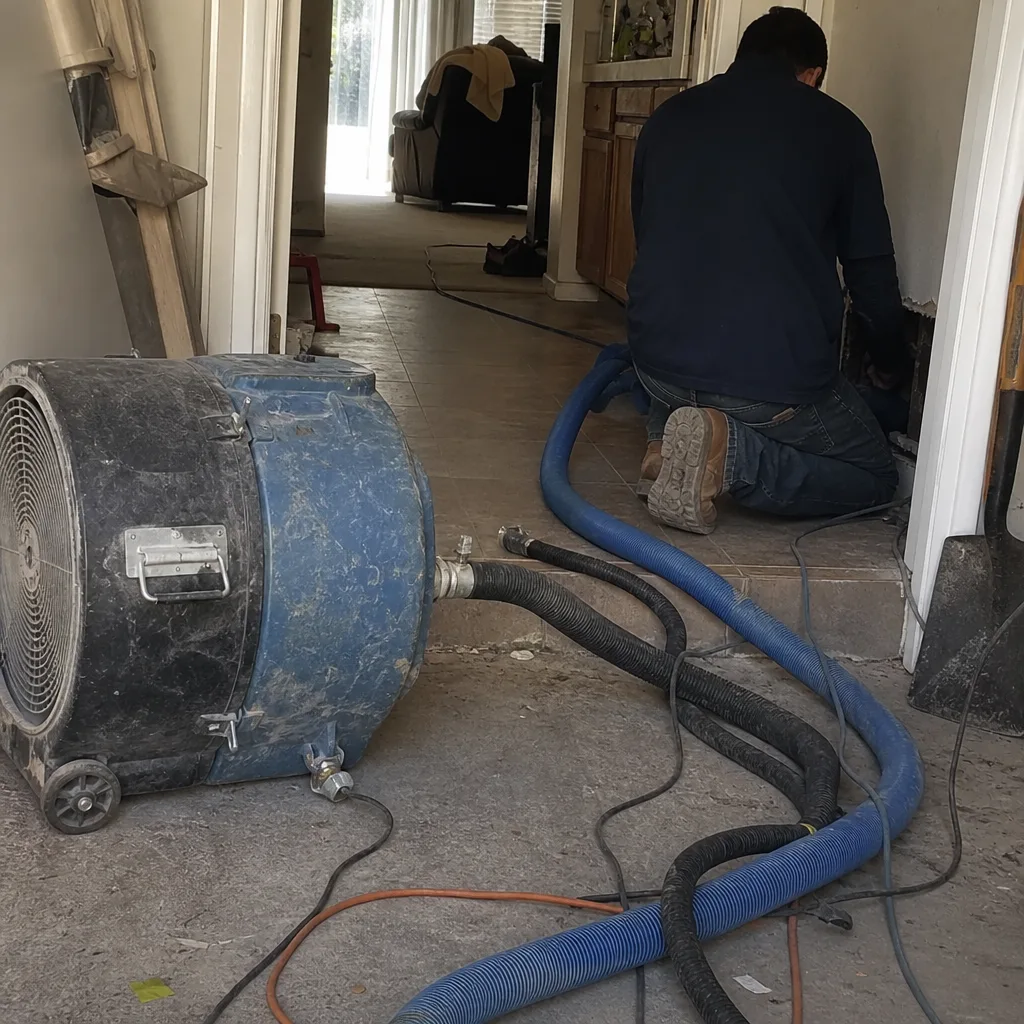 Before
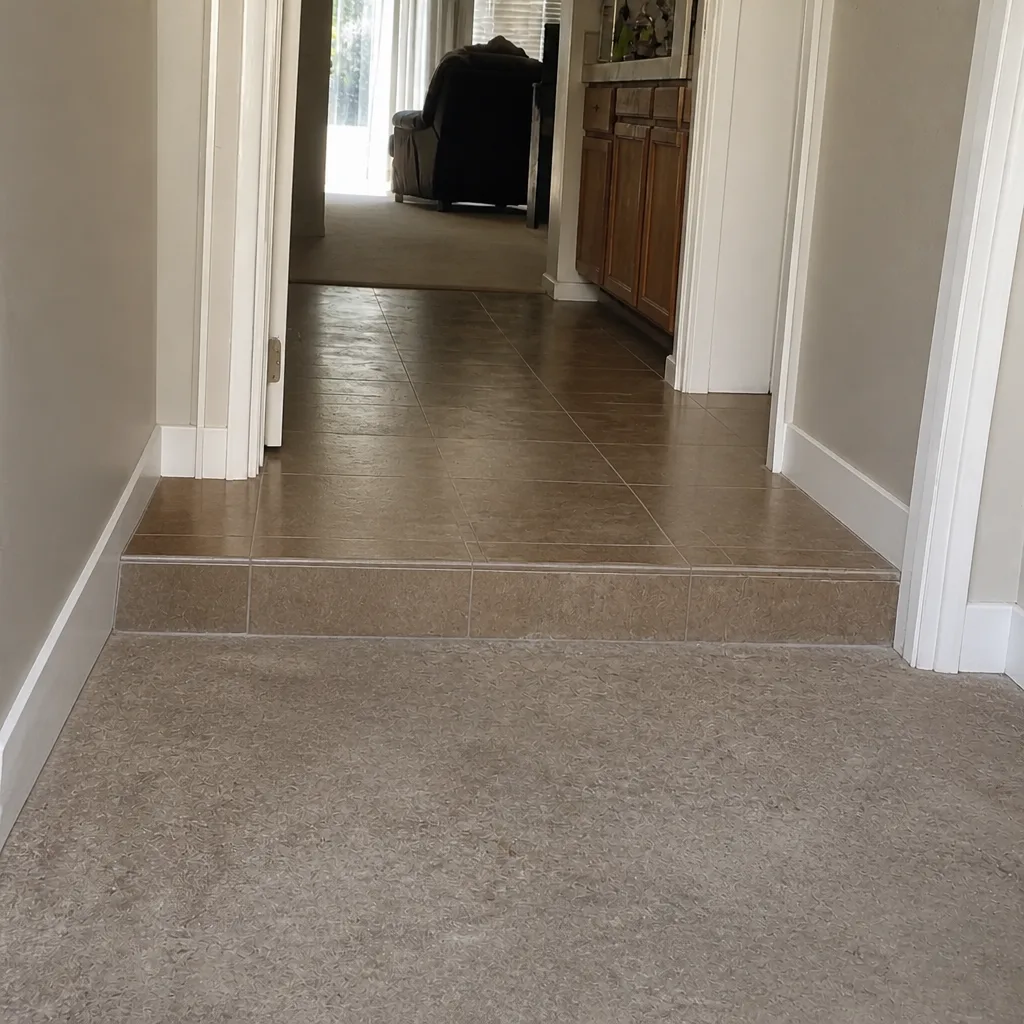 After
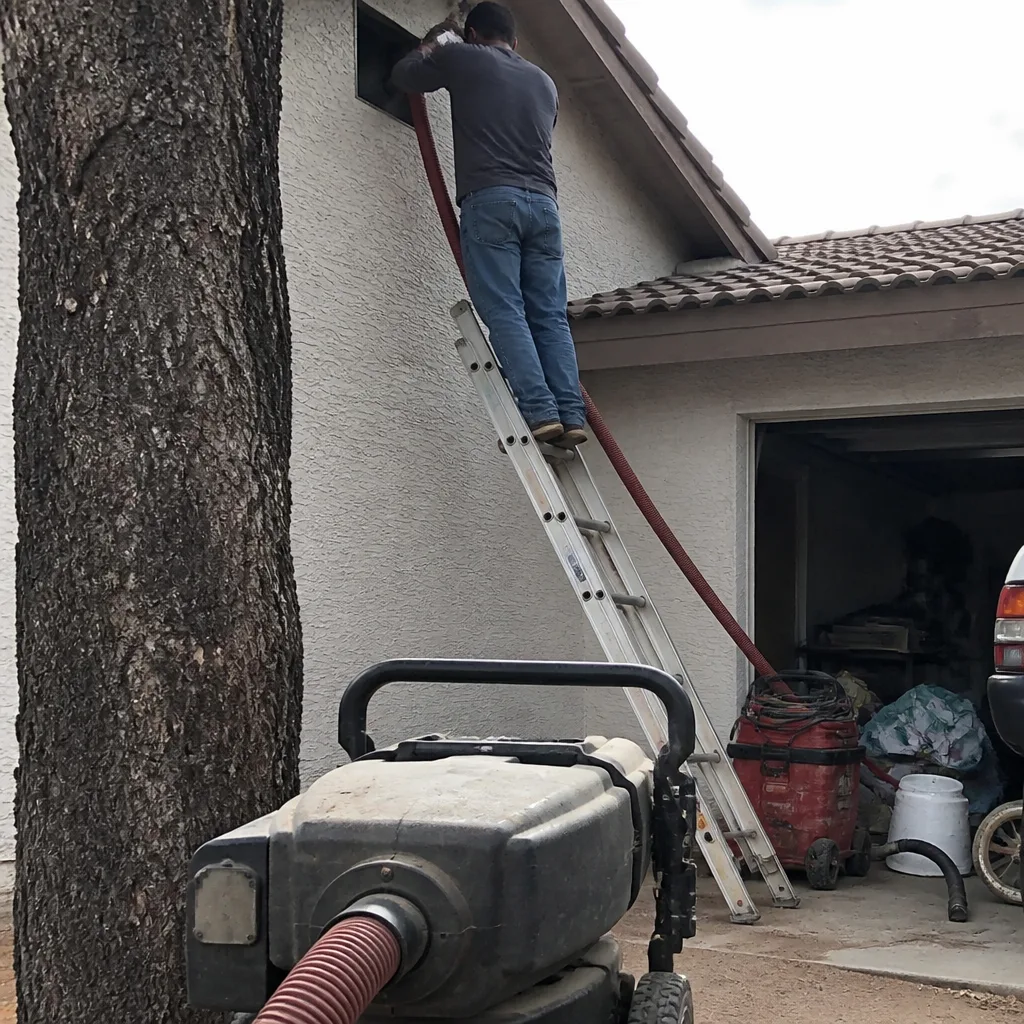 Before
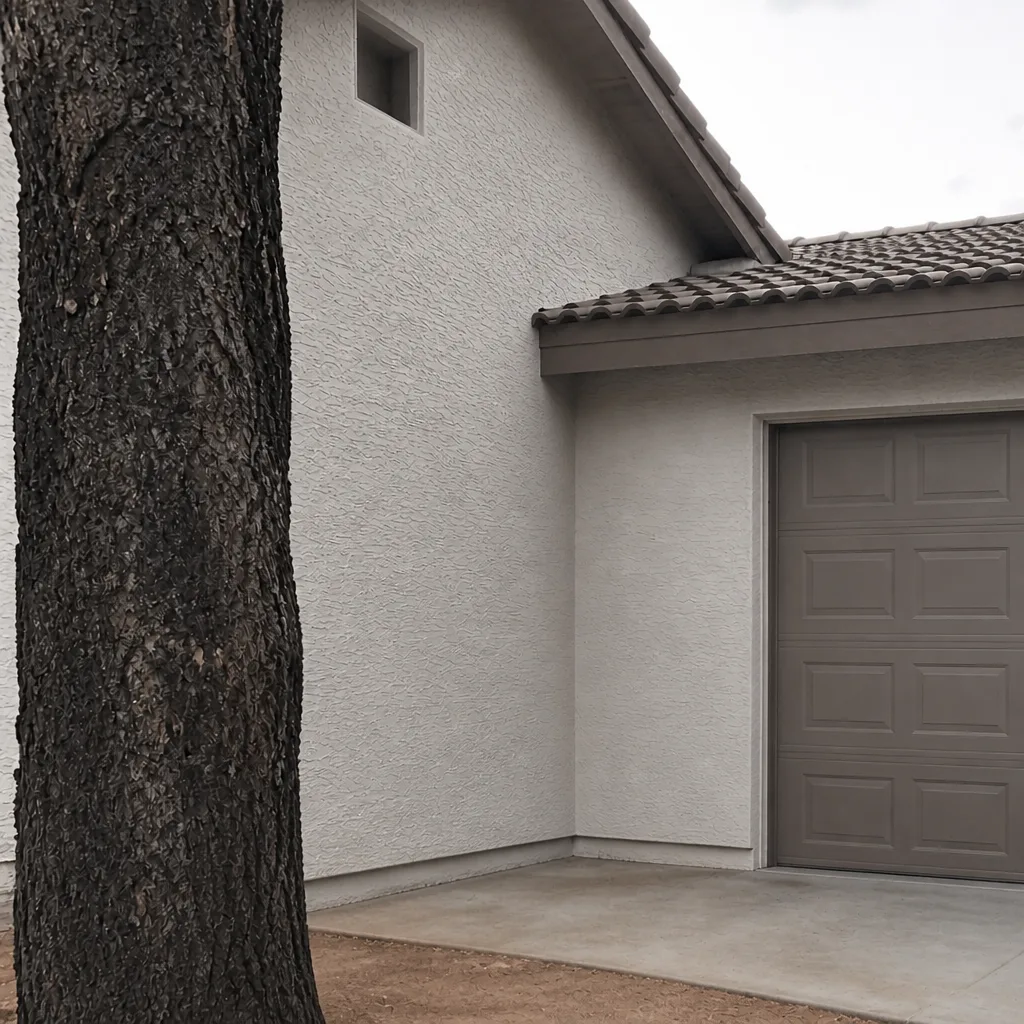 After
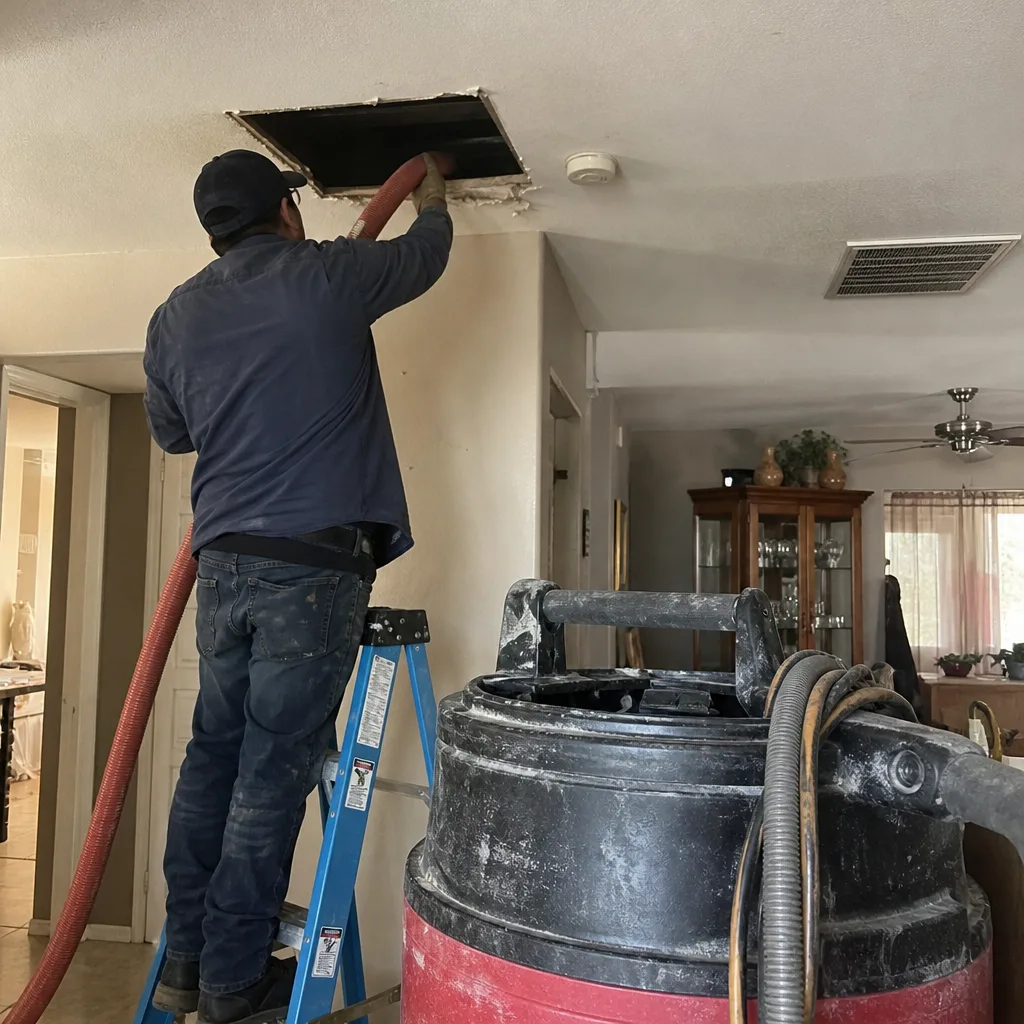 Before
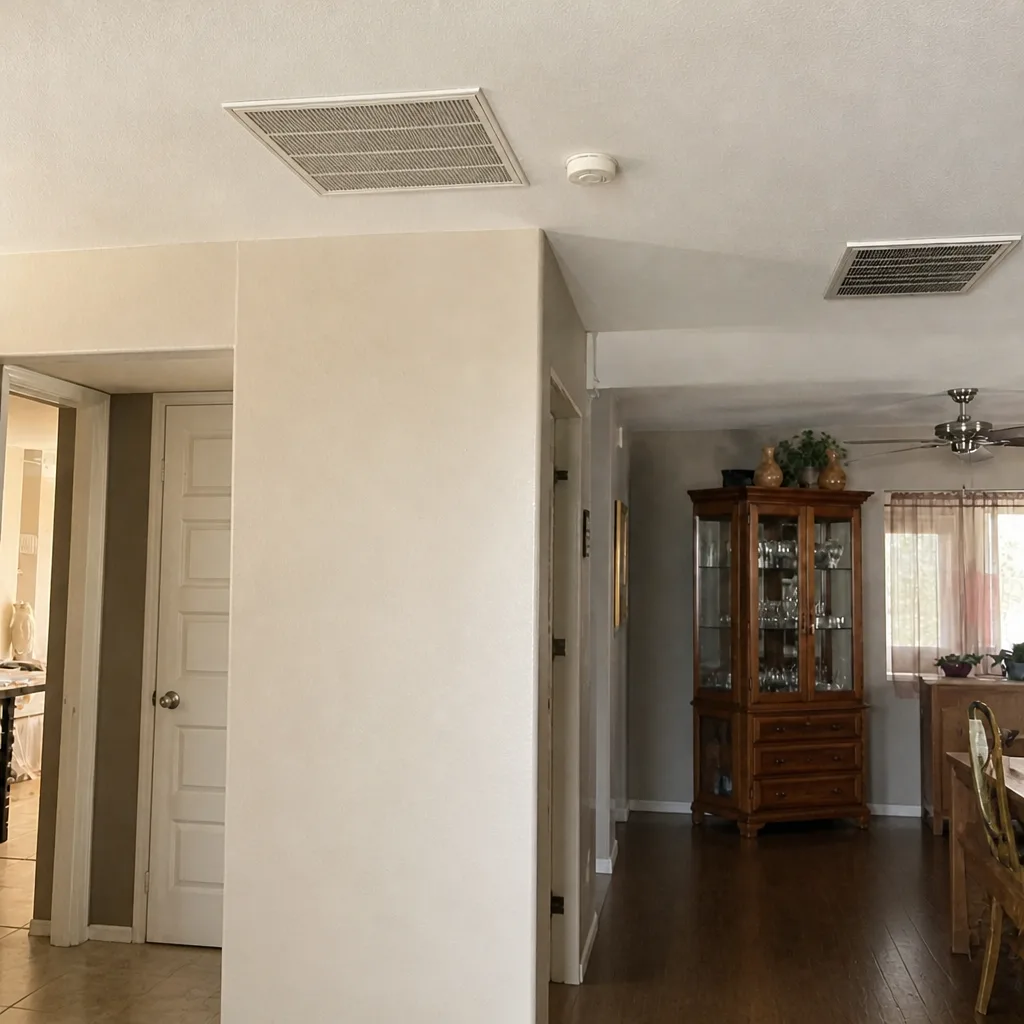 After
When to Call a Professional
Book a professional cleaning when your scoring puts you in the two-to-three or three-to-four year tier, when you’ve just finished construction or a renovation, or when register dust has become visible and filters are loading faster than usual. If the system is leaking, if one room never gets good airflow, or if you’ve noticed a gap at a register, have the system inspected for repair rather than just cleaned. Duct Cleaning Avondale offers free estimates in Avondale. Call (866) 361-9304. We answer 24/7. Fast dispatch from 7am to 7pm, Sunday through Friday.
Frequently Asked Questions
Most Avondale homes need a professional duct cleaning every three to five years, but the actual interval depends on pets, occupants, recent construction, and allergy history. Homes with multiple pets or recent drywall work usually need it every two to three years. Score your home using the four variables above and time your cleaning after monsoon season or after the spring dust storms. Call (866) 361-9304 for an exact quote; estimates are free.
September, just after monsoon season ends, is one of the two best windows because the summer’s dust has already settled into the system and cleaning at that point gives you a clean start heading into fall. The other strategic window is late spring, after the dust storms pass. Cleaning right before either dust season means the biggest debris events hit a fresh system. Call (866) 361-9304 to schedule around the dust calendar.
Yes, most new construction homes need their first professional cleaning within the first year or two. Drywall dust, sanding residue, and construction particulate settle into the duct system before move-in, and a standard filter doesn’t clean it out. An early cleaning resets the clock and gives you a reliable baseline. Call (866) 361-9304 to book an estimate.
A mid-range MERV rating, roughly 5 to 8, works well for most Avondale homes because it catches fine dust without restricting airflow too much. Higher ratings catch more particulate but can strain a system not designed for the restriction. Check your system’s specs before stepping up, and change the filter on schedule regardless of what rating you choose. Call (866) 361-9304 if you’re not sure what your system can handle.
It can help, if it’s matched to your system and changed on schedule. A high-MERV filter catches more fine particulate before it reaches the ducts, which reduces the load. A filter that’s too restrictive or left in too long can cause other problems, though, so match the filter to the system. Call (866) 361-9304 for guidance on your setup.
Cleaning addresses buildup, while repair addresses leaks, gaps, and damaged runs. If you have dust at the registers and filters loading fast, that points to buildup. If a room never gets good airflow or you’ve spotted a gap at a register, that points to a repair issue. Call (866) 361-9304 and we’ll help you sort out which one you’re dealing with.
The Bottom Line
The right cleaning schedule isn’t a number someone hands you; it’s built from your household. Pets, occupants, recent construction, and allergy history set your tier, and Avondale’s dust and monsoon seasons set your timing. A high-load home might need a cleaning every two to three years; a quiet home can go four to five. Track your filter dates and register dust between visits, match your filter grade to your system, and treat leaks as a repair problem, not a cleaning one. If you want a straight answer on where your home stands, call (866) 361-9304 for a free estimate. Our technicians have up to 9 years of experience with duct systems, and we use Rotobrush, Nikro, and Abatement Technologies equipment. We answer 24/7 with fast dispatch from 7am to 7pm, Sunday through Friday. Learn more about dryer vent cleaning and Avondale service on our site.
Written by the team at Duct Cleaning Avondale.